Sargassum: The Seaweed Deluge Hitting Caribbean Shores
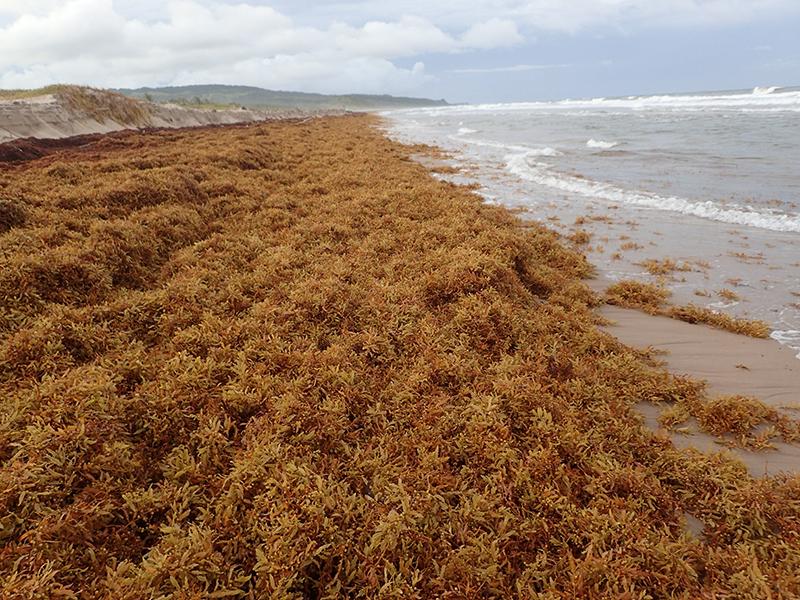
In recent years, the idyllic beaches of the Caribbean have faced an unexpected and pressing environmental challenge: a massive influx of sargassum seaweed. Once considered a natural part of the ocean’s ecosystem, this brown algae is now washing up in unprecedented quantities, transforming pristine coastlines into suffocating mats of vegetation. This phenomenon has sparked concerns among local communities, environmentalists, and tourism officials alike, as the impacts stretch far beyond the shoreline. As Caribbean nations grapple with the implications of this seaweed deluge, questions arise about its causes, effects, and potential solutions. This article delves into the factors contributing to the sargassum bloom, the ecological and economic repercussions for the region, and the urgent measures being implemented to address this growing crisis.
Sargassum Surge: Understanding the Ecological Impact on Caribbean Marine Life
The influx of sargassum, a type of brown seaweed, has raised alarm among environmentalists and marine biologists as it blankets the Caribbean Sea and impacts local ecosystems. While sargassum is a natural part of marine biodiversity, an unprecedented surge has led to significant consequences for marine life. In areas where this seaweed accumulates, habitats for various species, such as coral reefs, fish, and sea turtles, are being disrupted. The dense mats can smother corals, reduce sunlight penetration, and lead to decreased oxygen levels in the water, creating inhospitable environments for aquatic organisms.
Moreover, the ecological effects of sargassum extend beyond just marine life; they also impact local communities that rely on fishing and tourism. As beaches become clogged with rotting seaweed, the aesthetic appeal is diminished, potentially deterring tourists. The challenges presented by sargassum prompt various responses from governments and scientists alike, aimed at understanding and managing the influx. Key areas of concern include:
- Marine Biodiversity: Changes in species distribution and health.
- Fisheries: Disruption to fish breeding grounds and access.
- Tourism Economy: Impact on beach activities and local businesses.
| Effect | Impact on Ecosystem |
|---|---|
| Coral Suffocation | Reduced growth and increased mortality |
| Oxygen Depletion | Harmful algal blooms; disrupts fish populations |
| Tourism Decline | Less revenue for local economies |
Economic Consequences of the Seaweed Crisis: Threats to Tourism and Fishing Industries
The recent influx of Sargassum seaweed has garnered significant attention due to its potential economic ramifications for coastal regions, particularly in the Caribbean. The presence of this vast seaweed bloom poses direct challenges to the fishing industry, affecting both local fishermen and the tourism sector that relies on the scenic beauty of unspoiled beaches. With thick mats of Sargassum washing ashore, fishing operations face disruption as the seaweed impedes boat navigation and damages nets. More concerning, the decomposing seaweed emits hydrogen sulfide, which can deter fish from populating areas where they are typically harvested, leading to potential decreases in fish stocks and lowering the livelihoods of local fishermen.
On the other hand, the tourism industry is not insulated from the crisis. Many Caribbean nations depend on tourism as a primary source of income; however, the overpowering presence of Sargassum has led to brown, unsightly beaches, prompting complaints from visitors who expect pristine landscapes. The implications are disheartening for resorts and local businesses that suffer from diminishing customer interest during peak seasons. Some key factors affecting tourism as a result of the seaweed crisis include:
- Decreased beach accessibility – Visitors are less inclined to swim or sunbathe where large amounts of seaweed accumulate.
- Negative media coverage – Reports of Sargassum influxes can deter potential travelers, lowering bookings.
- Increased cleaning costs – Authorities and businesses incur extra expenses to clear beaches, diverting funds from other tourism-enhancing projects.
Mitigation Strategies: Effective Responses to Combat the Sargassum Invasion
The escalating Sargassum blooms necessitate innovative and effective responses to mitigate their impact on Caribbean shorelines. Local governments and environmental organizations are collaborating to implement a diverse range of strategies aimed at addressing this pressing ecological challenge. Among the most promising approaches are:
- Regular Monitoring: Establishing a systematic monitoring program to track the influx and density of Sargassum can help in anticipating its arrival and devising timely responses.
- Collaborative Cleanup Efforts: Engaging community volunteers and local businesses in collective action to clear affected beaches can not only enhance the aesthetic appeal but also support local tourism.
- Utilizing Technology: Employing drones and satellite imagery to map the seaweed’s spread can facilitate better forecasting and resource allocation for cleanup operations.
- Research and Innovation: Investing in research to explore the use of Sargassum in biofuel production and agriculture can turn a nuisance into an economic opportunity.
Moreover, partnerships between governments, research institutions, and private sectors play a vital role in reinforcing these strategies. As part of their mitigation efforts, some regions have initiated pilot programs to test the use of Sargassum for various sustainable applications, leading to the development of a new industry centered around this abundant resource. The following table outlines key stakeholders and their contributions:
| Stakeholder | Contribution |
|---|---|
| Local Governments | Funding and support for cleanup operations |
| Universities | Research on utilization and environmental impact |
| Tourism Boards | Awareness campaigns to highlight sustainable tourism |
| Entrepreneurs | Innovative solutions for Sargassum products |
Final Thoughts
As the phenomenon of Sargassum continues to blanket the Caribbean, the implications for local ecosystems, economies, and communities cannot be underestimated. Efforts to mitigate its impact are underway, with governments, scientists, and local stakeholders collaborating to find sustainable solutions. However, while the immediate challenges posed by this seaweed deluge are formidable, they also present an opportunity for innovation and resilience in the face of environmental change. As the Caribbean navigates this complex issue, ongoing research and adaptive management will be critical in transforming the challenges of Sargassum into avenues for regeneration. As we look toward the horizon, it is clear that the future will demand a collective commitment to stewardship of our oceans and coastal environments, ensuring the health of these vital ecosystems for generations to come.