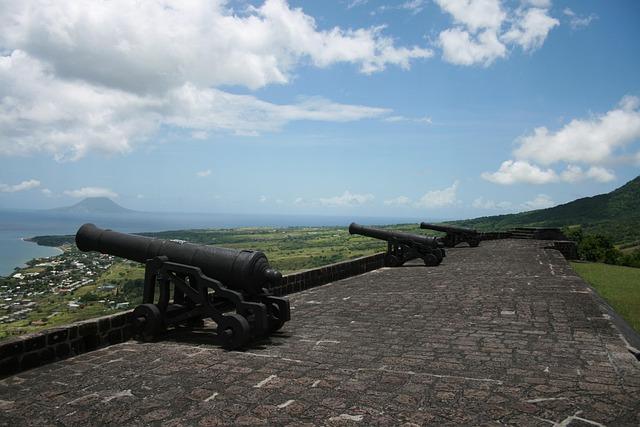
St Kitts and Nevis Profile: A Historical Timeline
Located in the heart of the Caribbean, St Kitts and Nevis stands as a testament to centuries of rich history, vibrant culture, and evolving political landscapes. This twin-island nation, known for its lush landscapes and pristine beaches, has a history that reflects the broader narratives of colonization, independence, and development in the Caribbean region. In this comprehensive profile, we explore the significant milestones that have shaped St Kitts and Nevis, from its early indigenous inhabitants and European colonization to its eventual independence and contemporary challenges. Through a detailed timeline, we unveil the key events that define this small yet resilient nation, offering insights into its socio-political dynamics and cultural heritage. Join us as we delve into the story of St Kitts and Nevis, providing context and perspective on its journey through the annals of history.
St Kitts and Nevis: A Comprehensive Historical Overview
St Kitts and Nevis, nestled in the Caribbean, boasts a rich tapestry of history influenced by colonialism, sugar production, and political evolution. The islands were first inhabited by the Arawak and Carib peoples before the arrival of European explorers in the late 15th century. The Spanish laid claim to the islands, but it was the British and the French who became the primary colonizers in the 17th century. The islands played a significant role in the sugar trade, leading to an influx of enslaved Africans, which drastically transformed the demographic and cultural landscape. The abolition of slavery in 1834 marked a pivotal turn, with former enslaved individuals navigating their new freedoms amid the challenges of post-colonial society.
The path to sovereignty was fractional, encapsulated by several key events that shaped modern governance. The evolution was marked by a series of important milestones:
- 1967: St Kitts and Nevis was granted internal self-government.
- 1983: The federation gained full independence from British rule.
- 1980s-1990s: The political landscape alternated between different parties, reflecting the islands’ diverse political views.
Building on its historical foundation, St Kitts and Nevis today thrives as a constitutional monarchy and member of the Commonwealth, continuing to navigate its cultural identity while fostering international tourism and economic development.
Key Milestones in Development and Politics
St Kitts and Nevis has witnessed significant developments and political changes that have shaped its history since gaining independence. Among these pivotal milestones are the following:
- 1983: St Kitts and Nevis officially gains independence from the United Kingdom, marking a new era for the twin-island federation.
- 1993: The establishment of the Citizenship by Investment Program allows foreign investors to gain citizenship, aiming to boost the economy through foreign capital.
- 2000: The reintroduction of a two-party system with the People’s Action Movement and the St Kitts and Nevis Labour Party taking prominent roles in the national politics.
In recent years, the country has also faced various political challenges and achievements, including:
- 2015: The Labour Party, after more than 20 years in power, is defeated by the Team Unity coalition, leading to a shift in governance.
- 2020: The Prime Minister’s administration emphasizes the country’s resilience amid the global pandemic while advocating for sustainable tourism and economic diversification.
- 2022: St Kitts and Nevis celebrates 39 years of independence, reflecting on its progress and the ongoing efforts to enhance its democratic institutions.
| Year | Milestone |
|---|---|
| 1983 | Independence from the UK |
| 1993 | Launch of Citizenship by Investment Program |
| 2015 | Team Unity coalition assumes power |
| 2020 | Focus on tourism and economic recovery |
Future Prospects and Recommendations for Growth
As St Kitts and Nevis navigates its path towards growth and development, several key areas can be prioritized to enhance economic stability and attract investment. The government could focus on diversifying its economy by promoting sectors such as renewable energy, technology, and agriculture. Invest in education and vocational training to create a skilled workforce adept at meeting the demands of emerging industries. The islands can also leverage their rich cultural heritage and natural beauty to develop sustainable tourism practices that respect the environment while providing long-term economic benefits.
Furthermore, fostering regional and international partnerships will be essential for future growth. By actively engaging in trade agreements and participating in foreign investment initiatives, St Kitts and Nevis can open new markets and attract investors. The implementation of policies aimed at enhancing infrastructure, such as improved transportation and telecommunications, will be crucial in creating a conducive environment for businesses. To facilitate this growth, it is vital to establish transparent governance practices and bolster regulatory frameworks that promote entrepreneurship and mitigate risks.
In Summary
In conclusion, the timeline of St Kitts and Nevis, as highlighted by the BBC, illustrates a rich tapestry of history, culture, and resilience. From its indigenous roots and colonial encounters to modern-day independence and economic challenges, this twin-island nation has navigated a complex landscape that reflects both its unique heritage and the broader currents of the Caribbean region. As St Kitts and Nevis continues to evolve, understanding this timeline not only sheds light on its past but also offers insights into the future aspirations of its people. The collective journey of these islands serves as a reminder of the enduring spirit and determination of communities across the Caribbean, forging a path toward prosperity and stability in an ever-changing world.