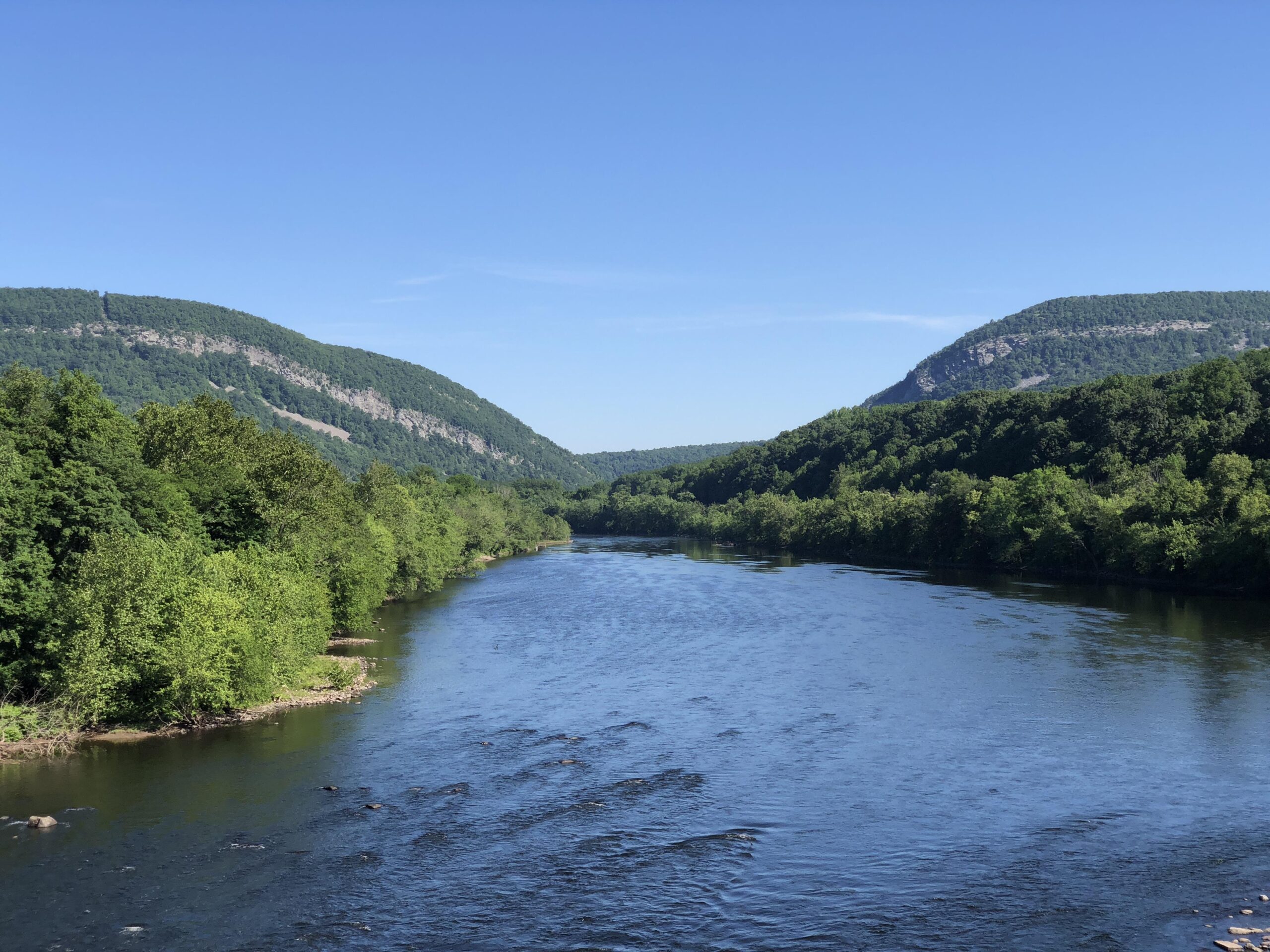
Title: The American Eel: A Keystone Species Under the Delaware River Basin Commission’s Spotlight
As ecological preservation efforts gain momentum in the face of climate change and habitat degradation, the American eel has emerged as a focal point for conservationists within the Delaware River Basin. The Delaware River Basin Commission (DRBC) is spearheading initiatives to protect and restore the living resources in this vital watershed, with the American eel at the forefront of their efforts. This enigmatic fish, known for its remarkable migratory journey from freshwater rivers to the saltwaters of the Sargasso Sea, faces numerous threats including habitat loss, pollution, and changing environmental conditions. In this article, we delve into the significant role the American eel plays in the Delaware River ecosystem and explore the comprehensive strategies being implemented by the DRBC and partner organizations to ensure the survival of this iconic species and the health of the entire basin.
Understanding the Role of the American Eel in the Delaware River Ecosystem
The American eel, a fascinating species native to the Delaware River, plays a pivotal role in the health and balance of the aquatic ecosystem. As a keystone species, the eel not only serves as a crucial food source for various predators including larger fish, birds, and mammals, but also contributes to the ecological dynamics by aiding in nutrient cycling. These eels migrate from the Sargasso Sea to freshwater habitats, where they undergo significant transformations throughout their life cycle. This unique migratory behavior links different parts of the ecosystem, providing essential interactions between marine and freshwater environments.
Furthermore, the decline in American eel populations poses a serious concern for the overall biodiversity of the Delaware River Basin. The eel’s presence encourages a complex food web and supports the growth of diverse species, which can be seen in various aquatic communities. Factors such as overfishing, habitat loss, and pollution have led to notable reductions in eel numbers. To combat this issue, conservation efforts are underway, focusing on habitat restoration and sustainable fishery practices to ensure that this enigmatic species continues to thrive in the river. The restoration of the American eel population is not just vital for its survival, but also for the longevity and vitality of the entire Delaware River ecosystem.
Conservation Strategies for Protecting American Eel Populations
The conservation of American eel populations in the Delaware River Basin necessitates a multifaceted approach that addresses both environmental and regulatory challenges. Key strategies include:
- Habitat Restoration: Enhancing river and stream habitats to ensure safe migratory pathways for juvenile eels, particularly by removing barriers such as outdated dams.
- Monitoring and Research: Implementing long-term monitoring programs to gather data on eel populations and health, which can inform future conservation actions.
- Regulatory Measures: Enforcing sustainable fishing practices and implementing seasonal restrictions to prevent overfishing during critical life stages.
Collaboration among stakeholders is also vital. Partnerships between governmental agencies, conservation organizations, and local communities can lead to innovative solutions. Some proactive measures include:
- Public Awareness Campaigns: Educating the public about the ecological importance of American eels and their role in the aquatic ecosystem.
- Restoration Projects: Initiatives focused on rehabilitating degraded habitats, such as riparian buffer restoration, to enhance the overall ecosystem health.
- Policy Advocacy: Pushing for stronger regulations at state and federal levels to protect migratory corridors and ensure sustainable eel management practices.
Collaborative Efforts and Policy Recommendations for Sustainable Management
The collaborative efforts to ensure the sustainable management of American Eel populations in the Delaware River Basin are pivotal. Stakeholders, including governmental agencies, NGOs, academic institutions, and local communities, have united under a common goal: to restore and enhance eel habitats while promoting ecosystem health. By leveraging multi-stakeholder partnerships, these groups work together to share data, best practices, and resources that foster both conservation and educational initiatives. Key components of these collaborative efforts include:
- Research and Monitoring: Joint projects to track eel populations and migration patterns.
- Public Engagement: Outreach programs aimed at increasing awareness and support for eel conservation.
- Legislative Advocacy: Coordinating efforts to propose necessary policy changes at local and state levels.
To complement these partnerships, a set of policy recommendations has been proposed to further strengthen the management framework for American Eels. These recommendations focus on improving regulatory measures and increasing funding for conservation programs. Recommended actions include:
| Action Item | Description |
|---|---|
| Habitat Restoration | Implement projects to restore critical habitats affected by human activities. |
| Fish Passage Improvements | Enhance the accessibility of rivers to facilitate eel migration. |
| Regulatory Reviews | Regularly update policies to adapt to changing environmental conditions. |
The Way Forward
As the Delaware River Basin Commission continues its vital work in managing the natural resources of the region, the American eel stands as a focal point in the ongoing conversation about environmental stewardship and biodiversity. This unique species, with its remarkable life cycle and critical ecological role, highlights the importance of collaboration among states, agencies, and communities to ensure a healthy ecosystem. The future of the American eel-and the broader health of the Delaware River Basin-relies on sustained efforts to protect and restore habitats, enhance fish passage, and engage in responsible fishing practices. As we move forward, it is imperative that all stakeholders recognize the significance of this resilient creature and advocate for strategies that promote conservation and sustainability in our invaluable waterways. The health of the Delaware River Basin not only impacts the American eel but also the myriad of life that relies on its waters-reminding us that together, we can make a difference for generations to come.