St Kitts and Nevis Country Profile: A Glimpse into the Caribbean Paradise
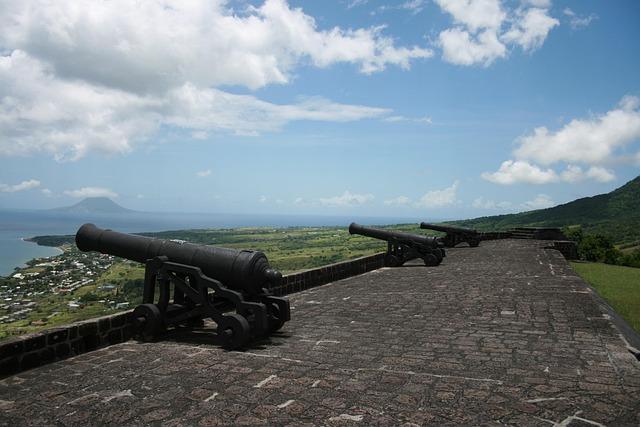
Nestled in the heart of the Caribbean, St Kitts and Nevis stands as a vibrant testament to island beauty and rich heritage. Often celebrated for its lush landscapes, pristine beaches, and warm hospitality, this two-island nation offers more than just picturesque vistas; it is a unique blend of historical significance and modern development. With a population of around 55,000, St Kitts and Nevis is the smallest sovereign state in the Western Hemisphere, both in terms of population and land area. In this profile, we delve into the country’s cultural identity, economic landscape, political framework, and social challenges, providing a comprehensive overview of what makes St Kitts and Nevis a remarkable example of Caribbean resilience and charm. As the islands continue to navigate the complexities of global changes and local aspirations, understanding their intricate dynamics is vital for appreciating their place on the world stage.
St Kitts and Nevis: An Overview of Economic Opportunities and Challenges
St Kitts and Nevis, the smallest country in the Western Hemisphere, presents a unique landscape of economic opportunities and challenges amid its vibrant tourism sector and agricultural traditions. As a nation heavily reliant on external sources for its economic stability, the dual-island federation is making strides in diversification through sectors such as tourism, agriculture, and the rising renewable energy field. Visitors flock to its stunning beaches and cultural heritage, making tourism a cornerstone of the economy. The government’s proactive approach to attract foreign investment, especially in real estate and development projects, seeks to create jobs and bolster the local economy.
However, economic challenges persist, primarily due to the country’s vulnerability to external shocks. The reliance on tourism leaves St Kitts and Nevis susceptible to fluctuations in global travel trends, such as those experienced during the COVID-19 pandemic. Moreover, the agricultural sector grapples with issues such as climate change and competition from imported goods. To address these hurdles, the government has laid out initiatives focusing on sustainable practices and enhancing local agriculture. Key challenges include:
- High unemployment rates, particularly among youth
- Limited access to international markets
- Economic reliance on a narrow range of sectors
To tackle these concerns, fostering entrepreneurship and leveraging the country’s natural resources through innovation could pave the way for a more resilient economic future.
Tourism Surge: Unlocking Potential in St Kitts and Nevis’ Travel Sector
The recent upswing in tourist arrivals to St Kitts and Nevis underscores the islands’ latent capabilities within the travel sector. Key factors contributing to this surge include enhanced flight accessibility, an increasing array of accommodations, and targeted marketing strategies that appeal to diverse demographics. The islands’ pristine beaches, rich cultural heritage, and vibrant local cuisine are also drawing interest, turning St Kitts and Nevis into a must-visit destination for globetrotters. Notably, the government has partnered with private stakeholders to invest in sustainable tourism practices, ensuring that the burgeoning sector benefits both visitors and local communities alike.
To capitalize on this momentum, strategic investments are essential in several areas, including:
- Infrastructure Development: Upgrading roads and transport facilities to accommodate growing tourist numbers.
- Eco-Tourism Initiatives: Promoting responsible travel experiences that highlight the islands’ natural beauty.
- Cultural Events: Organizing festivals that showcase local traditions and attract international visitors.
- Digital Marketing: Leveraging social media platforms to reach younger travelers and niche markets.
As part of this transformative phase, the islands can leverage data analytics to identify trends and preferences within traveler demographics. An effective strategy could include the following:
| Key Visitor Demographics | Characteristics | Interest Areas |
|---|---|---|
| Millennials | Experience-driven, tech-savvy | Adventure sports, local cuisine |
| Families | Seeking safe, entertaining environments | Resorts, children’s activities |
| Retirees | Looking for relaxation and comfort | Wellness retreats, luxury accommodations |
By understanding and catering to these diverse groups, St Kitts and Nevis can further unlock the potential of its travel sector, enhancing the overall economic health and cultural richness of the islands.
Sustainable Development Goals: Pathways for Growth and Environmental Preservation in St Kitts and Nevis
The twin-island nation of St Kitts and Nevis is making significant strides towards achieving the Sustainable Development Goals (SDGs) while balancing economic growth with environmental preservation. The government is actively engaged in developing policies that promote renewable energy, biodiversity conservation, and sustainable tourism. An integrated approach is being adopted, which emphasizes collaboration among stakeholders, including local communities, businesses, and international partners, to foster a resilient economy. Key initiatives include:
- Development of Green Energy Projects: Investment in solar and wind energy to reduce reliance on fossil fuels.
- Support for Local Agriculture: Encouraging sustainable practices that protect the islands’ natural resources while enhancing food security.
- Promotion of Eco-Tourism: Attracting visitors through environmentally friendly practices that showcase the islands’ natural beauty.
Moreover, fostering education and awareness about sustainability is at the forefront of this initiative. This encompasses efforts to strengthen the capacity of local institutions and empower communities with the knowledge required to implement sustainable practices. To track progress, the country utilizes an array of metrics aligning with the SDGs, helping to guide policy decisions and actions. A brief summary of some of these indicators is outlined below:
| Indicator | Status | Goal |
|---|---|---|
| Proportion of Renewable Energy in Total Energy Consumption | 25% | 7 (Affordable and Clean Energy) |
| Protected Land Areas | 15% | 15 (Life on Land) |
| Tourism Growth Rate (Eco-Tourism) | 10% Per Year | 8 (Decent Work and Economic Growth) |
To Conclude
In conclusion, St Kitts and Nevis stands as a unique blend of natural beauty, rich history, and cultural diversity within the Caribbean region. As the smallest country in the Western Hemisphere, both in terms of landmass and population, it has carved out a distinct identity on the global stage. With its thriving tourism sector, continued focus on economic diversification, and commitment to sustainable development, the twin-island nation demonstrates resilience in the face of modern challenges. As the world continues to grapple with issues such as climate change and economic instability, St Kitts and Nevis serves as a reminder of the importance of community and heritage. Observers will be keen to watch how this small nation navigates future developments, harnessing its vibrant culture and natural resources to forge a path forward in an ever-evolving global landscape.