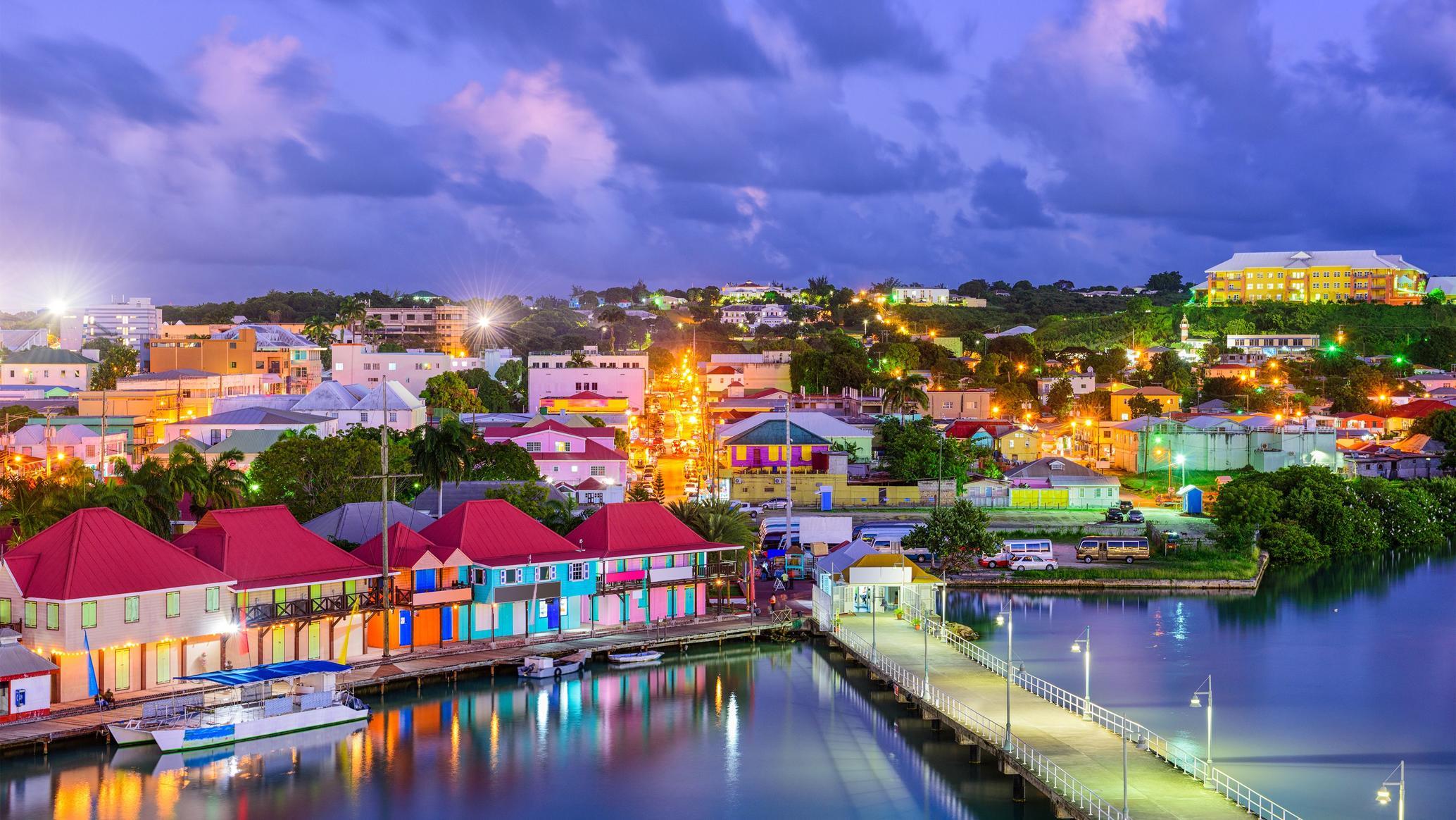
In a significant development for regional economic collaboration, Antigua and Barbuda has officially joined the Corporación Andina de Fomento (CAF) as its newest shareholder country. This milestone, announced earlier this week, marks a pivotal expansion of CAF’s efforts to promote sustainable development and competitiveness across Latin America and the Caribbean. As a member, Antigua and Barbuda will have increased access to financial resources and technical expertise, enhancing its capacity to address critical infrastructure and development challenges. This move signifies not only a commitment to fostering regional partnerships but also a strategic step towards bolstering the nation’s economic resilience and growth in an increasingly interconnected world.
Antigua and Barbuda Joins CAF: Implications for Economic Development and Regional Collaboration
Antigua and Barbuda’s recent accession to the CAF has illuminated a path toward enhanced economic development and strategic regional collaboration. As a new shareholder, the nation is poised to benefit from CAF’s extensive financial resources and investment initiatives designed for infrastructure, social development, and environmental sustainability. The financial backing from the CAF is expected to drive growth in critical sectors such as tourism, agriculture, and renewable energy, fostering employment opportunities and improving living standards. Local entrepreneurs and businesses are likely to reap the rewards of increased access to capital and technical assistance, promoting a more vibrant economy.
Moreover, the move signals a strong commitment to regional unity and cooperation among Latin American and Caribbean nations. By joining CAF, Antigua and Barbuda is aligning itself with a network that promotes collaborative projects and shared knowledge across member countries. This alignment can lead to joint ventures that enhance not only local economies but also regional competitiveness on a global scale. The potential for partnerships in areas like sustainable tourism development and disaster resilience showcases the multifaceted benefits of this collaboration, paving the way for a stronger, more integrated Caribbean community.
Strengthening Ties: How CAF Membership Can Benefit Antigua and Barbuda’s Infrastructure and Investment Landscape
Joining the CAF (Development Bank of Latin America) represents a significant opportunity for Antigua and Barbuda, enhancing the nation’s infrastructure and investment landscape. Through CAF’s extensive resources and expertise, the country stands to access *funding for critical infrastructure projects*, such as road development, energy initiatives, and water management. The collaboration could lead to economic growth and resilience, especially in key areas impacting everyday life for citizens. The potential benefits include:
- Increased Access to Financing: CAF offers competitive financing options tailored for infrastructure growth.
- Technical Assistance: Expert guidance on best practices in project implementation and management.
- Networking Opportunities: Connection with regional and international investors interested in local projects.
This partnership is poised to modernize Antigua and Barbuda’s infrastructure, making it more attractive for foreign direct investment (FDI). A more robust infrastructure can boost tourism and trade, critical sectors for the island nation’s economy, allowing for more sustainable and diversified growth. For instance, a recent analysis indicates that improved transportation and utilities could lead to potential investments in key areas, as illustrated in the table below:
| Sector | Estimated Investment (USD) | Expected Benefits |
|---|---|---|
| Renewable Energy | 20 million | Reduced energy costs and environmental impact |
| Transportation | 15 million | Enhanced accessibility and tourism |
| Water Management | 10 million | Improved public health and irrigation systems |
Recommendations for Leveraging CAF Partnership to Enhance Sustainable Growth in Antigua and Barbuda
To fully capitalize on its recent partnership with CAF, Antigua and Barbuda should adopt a strategic approach that emphasizes collaboration and shared goals. Engaging with stakeholders at all levels, from government agencies to local businesses, will be pivotal. Key strategies to consider include:
- Infrastructure Development: Focus on projects that enhance critical infrastructure, such as transportation and telecommunications, which can drive economic activity.
- Environmental Sustainability: Invest in green technologies and renewable energy solutions to reduce environmental impact and promote sustainable practices.
- Capacity Building: Leverage CAF’s expertise to build local capacity in areas like project management and financial literacy, enabling citizens to participate actively in development initiatives.
Furthermore, establishing a framework for continuous dialogue between CAF and the government of Antigua and Barbuda can ensure that projects align with national development goals. Implementing a performance monitoring system to evaluate the impact of initiatives will be crucial in adjusting strategies as needed. A proposed collaborative action table might look like this:
| Action Item | Expected Outcome | Responsibility |
|---|---|---|
| Conduct stakeholder workshops | Strengthened partnerships | Government |
| Implement renewable projects | Increased energy independence | Private sector |
| Establish training programs | Enhanced local skills | Education Ministry |
Final Thoughts
In conclusion, the ascension of Antigua and Barbuda as the newest shareholder country of the CAF marks a significant milestone in the nation’s economic development and regional engagement. This strategic partnership not only underscores Antigua and Barbuda’s commitment to fostering international cooperation but also enhances access to vital resources and funding aimed at sustaining the nation’s growth. As the government and citizens look ahead, this collaboration is expected to yield substantial benefits, boosting infrastructure, social programs, and investment opportunities. With this new development, Antigua and Barbuda is poised to play a more influential role in the regional economic landscape, paving the way for a brighter and more prosperous future.