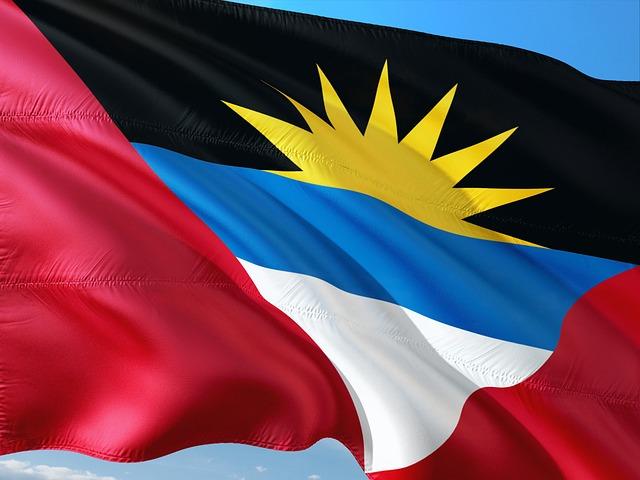
Antigua and Barbuda is poised to embark on a significant constitutional transformation, as recent media reports indicate that the island nation plans to hold a referendum on becoming a republic within the next three years. This potential shift comes amidst ongoing discussions about national sovereignty and a desire to redefine the country’s ties to its colonial past. The move underscores a growing momentum in the Caribbean towards greater self-determination, echoing similar initiatives in neighboring nations. As the government prepares for this pivotal vote, the implications for governance, national identity, and regional relations are expected to be profound.
Antigua and Barbuda’s Transition to Republic Status: Implications for Governance and Identity
The push for Antigua and Barbuda to embrace republic status marks a significant turning point in the nation’s governance structure, as it seeks to redefine its political identity separate from the British monarchy. This transformation could have wide-reaching implications for how power is exercised and perceived within the Caribbean nation. A major aspect under consideration includes the creation of a local head of state, which may empower citizens and foster national pride. Key points influencing this governance shift include:
- Increased Autonomy: Establishing a republic would lead to greater self-governance, potentially reducing external influences on national decision-making.
- Identity Reinforcement: Moving away from colonial ties could help strengthen a unified national identity, resonating with the principles of self-determination.
- Political Reforms: The transformation may trigger revisions in the constitution, necessitating debates over the roles and responsibilities of public officials.
As discussions about the implications of this transition unfold, it’s essential to examine anticipated changes in governance dynamics and public engagement. Understanding the potential impact on citizenship and civic duties is crucial, as it will likely encourage heightened political participation. A projected timeline for the republic proposal includes:
| Year | Key Events |
|---|---|
| 2023 | Public consultations begin |
| 2024 | Drafting of constitutional amendments |
| 2025 | National referendum on republic status |
This timeline reflects a deliberate approach to ensure public buy-in and adequate representation, contributing to a more comprehensive and inclusive decision-making process as the nation navigates this pivotal moment in its history.
Public Sentiment and Political Dynamics Surrounding the Republic Vote
The upcoming vote in Antigua and Barbuda to potentially transition to a republic has ignited a wave of public sentiment that reflects both enthusiasm and apprehension. Many citizens view this pivotal moment as an opportunity to redefine their national identity, moving away from monarchical ties towards a more autonomous governance structure. Supporters of the republic proposal have voiced aspirations for increased local representation and the establishment of a head of state with ties to the nation rather than to distant crowns. Surveys indicate a growing faction that favors independence, underpinned by sentiments of national pride and self-determination.
Conversely, the move towards a republic has also unearthed concerns among certain segments of the population regarding political stability and governance. Detractors argue that such a dramatic shift could lead to potential political upheaval, as the nation navigates the complexities of constitutional changes and new leadership paradigms. The debate is intensifying, with discussions proliferating across social media platforms and community forums. Key factors influencing public sentiment include:
- The desire for localized governance
- Concerns over political ramifications
- Historical context and traditional ties to the monarchy
| Group | Sentiment |
|---|---|
| Supporters | Optimistic about independence and self-governance |
| Detractors | Worried about stability and governance issues |
Pathways to a Successful Transition: Key Recommendations for Implementation
The anticipated transition of Antigua and Barbuda towards becoming a republic presents a unique set of challenges and opportunities. To facilitate this significant change in governance, several critical recommendations have emerged from discussions among policymakers, stakeholders, and constitutional experts. First, it is essential to conduct comprehensive public consultations to gauge the opinions and concerns of citizens regarding the proposed move. Engaging the populace will not only foster a sense of ownership over the process but also ensure that a wide range of voices is heard in the decision-making. Furthermore, establishing dedicated task forces to oversee the transition will help streamline efforts and maintain transparency throughout the process.
Simultaneously, the country must prioritize education and awareness campaigns that inform citizens about the implications of a republican system. By clarifying how such a structure may affect civil liberties, governance, and national identity, these initiatives can cultivate informed civic engagement. It’s also vital to align the constitutional framework with modern democratic principles, coupling the transition with legal reviews to ensure smooth implementation. Adequate resources should be allocated to facilitate training for public officials and the judiciary to adapt to the new republican structure effectively.
The Conclusion
In conclusion, Antigua and Barbuda’s proposed plan to become a republic within the next three years marks a significant step towards redefining the nation’s governance and identity. As reported by Reuters, this potential shift reflects a growing sentiment among citizens for greater autonomy and self-determination, moving away from colonial legacies. The proposed referendum will allow Antiguans and Barbudans to weigh in on this historic decision, bringing the nation closer to shaping its own future. As the country embarks on this pivotal journey, all eyes will be on the unfolding discussions and the eventual vote that could forever alter the political landscape of this Caribbean nation.