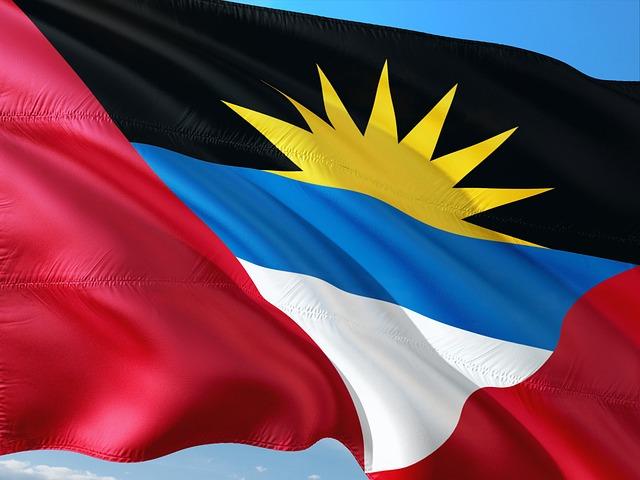
Antigua and Barbuda to Vote on Severing Ties with British Monarchy: A Shift in Sovereignty
In a historic moment for the Caribbean nation, Antigua and Barbuda is set to hold a referendum that could potentially redefine its relationship with the British monarchy. As the nation grapples with its colonial past and looks toward a future of greater autonomy, voters will decide whether to transition from a constitutional monarchy to a republic. This pivotal vote reflects a broader trend across the region, where former colonies are increasingly reexamining their ties to colonial powers. The implications of this decision could resonate not only within Antigua and Barbuda but also across the Caribbean, as discussions around sovereignty, national identity, and self-determination intensify. As the referendum date approaches, citizens are engaging in lively debates on the significance of independence and the legacy of colonial rule.
Antigua and Barbuda’s Push for Independence from the British Monarchy
In a significant move towards self-determination, Antigua and Barbuda is preparing for a referendum that could see the nation sever its ties with the British monarchy. This decision reflects a growing sentiment among the citizens who seek to establish a more autonomous governance structure. The call for independence is fueled by a desire to redefine national identity and prioritize local governance that is distinctly reflective of Antiguan and Barbudan values. Advocates argue that the monarchy, a remnant of colonial history, does not align with the aspirations of a modern state.
The upcoming vote has sparked intense debate across various sectors of society, with proponents and opponents presenting their cases. Key arguments surrounding this historic decision include:
- National Sovereignty: Advocates believe that independence will empower local leadership and decision-making.
- Cultural Identity: A move away from the monarchy represents a reclaiming of cultural heritage and national pride.
- Economic Control: Freedom from British oversight may allow for better management of national resources and economic strategies.
As citizens prepare to go to the polls, the implications of this decision extend beyond immediate governance, shaping the future trajectory of the Caribbean nation. Debates surrounding the referendum highlight the complexities of post-colonial identity and the quest for genuine self-governance.
Historical Context and Implications of Sovereignty in the Caribbean
The politics of sovereignty in the Caribbean have been shaped by a long history of colonialism, with many nations bearing the scars of their colonial past. The movement towards independence is often fraught with complexity, as nations like Antigua and Barbuda seek to assert their autonomy while grappling with the legacies of British rule. The push to sever ties with the British monarchy is not merely a symbolic act; it signifies a broader desire for self-determination and reflects recent regional trends where Caribbean nations reevaluate their historical allegiances and identity in a globalized world. Some key aspects influencing this narrative include:
- Historical Legacies: The impact of British colonial rule continues to be felt in political structures and social dynamics.
- Regional Movements: Other Caribbean nations have also displayed growing anti-monarchical sentiment, leading to conversations about republics versus monarchies.
- Public Sentiment: Many citizens voice a need to distance themselves from colonial symbols, urging a shift toward national pride.
Furthermore, the implications of such a referendum extend beyond national borders. They provoke discussions on the role of the monarchy in contemporary governance and raise questions about parliamentary sovereignty and constitutional reform within a changing global landscape. Any decision made by Antigua and Barbuda could encourage other Caribbean territories to consider their own status and relationship with the monarchy, thereby reshaping the very fabric of political identity in the region. A comparative look at affected nations can illustrate these evolving dynamics:
| Nations | Current Status | Recent Developments |
|---|---|---|
| Jamaica | Monarchy | Discussions on republic status initiated. |
| Barbados | Republic | Transitioned to a republic in 2021. |
| Saint Kitts and Nevis | Monarchy | Public discourse on potential change in the governance structure. |
Path Forward: Balancing National Identity with Global Relationships
The decision by Antigua and Barbuda to hold a historic referendum on severing ties with the British monarchy reflects a broader trend among Caribbean nations reconsidering their colonial legacies. This pivotal moment poses significant questions about national identity, heritage, and the individual aspirations of these island nations. A departure from the monarchy represents not just a political shift, but an opportunity for these countries to redefine their identity in the post-colonial era. As sentiments of nationalism rise, the emphasis on cultural sovereignty may drive citizens to seek a more pronounced expression of independence.
However, navigating the path forward will require balancing national interests with global relationships. Antiguan leaders must consider the implications of this move on international partnerships and economic ties, particularly in tourism and trade. As the islands weigh their ties with larger international communities, several factors will play a crucial role in this decision-making process:
- Economic Dependence: Ensuring continued foreign investment and support.
- Cultural Integration: Emphasizing local traditions while engaging in global dialogue.
- International Cooperation: Upholding strong relationships with neighboring countries.
Wrapping Up
As Antigua and Barbuda embark on a pivotal journey towards redefining their national identity, the upcoming vote to sever ties with the British monarchy marks a significant moment in the nation’s history. This decision not only highlights the growing wave of republican sentiment in the Caribbean but also reflects broader discussions about sovereignty and self-determination in former colonial territories. As citizens head to the polls, eyes will be on the outcome – a potential shift that could inspire other nations in the region to evaluate their own constitutional frameworks and relationships with colonial pasts. The stakes are high, and the world watches as Antigua and Barbuda take decisive steps toward shaping their future.