
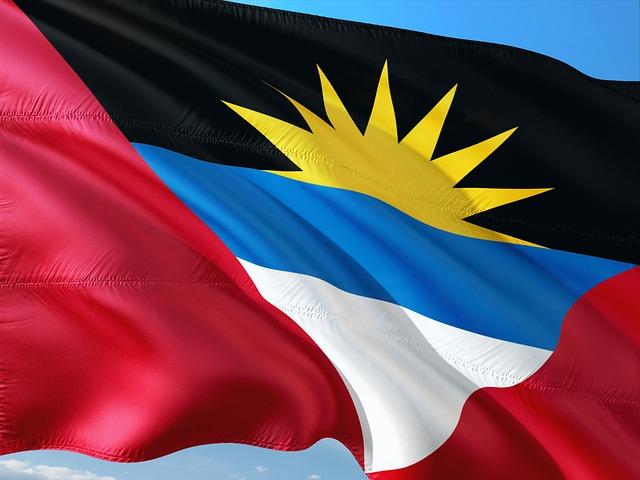
Antigua and Barbuda Aims for Membership in Development Bank of Latin America and the Caribbean
In a significant step towards enhancing its economic development and regional collaboration, Antigua and Barbuda has formally expressed its intention to join the Development Bank of Latin America and the Caribbean (CAF). This move signals the island nation’s commitment to unlocking new financial resources and fostering sustainable growth within its economy and the wider Caribbean community. The announcement was made by government officials during a press conference, where they highlighted the potential benefits of CAF membership, including access to loans, investment projects, and technical assistance aimed at bolstering infrastructure and social initiatives. As Caribbean nations navigate the challenges of post-pandemic recovery, Antigua and Barbuda’s pursuit of partnership with CAF underscores a proactive approach to regional development in an interconnected world.
Antigua and Barbuda’s Strategic Move to Enhance Economic Development through Regional Bank Membership
Antigua and Barbuda is positioning itself for a transformative leap in economic prosperity by pursuing membership in the Development Bank of Latin America and the Caribbean. This strategic initiative aims to bolster the nation’s financial framework and attract vital investments, enabling the government to implement critical infrastructure projects that align with its developmental goals. The anticipated benefits of this membership include:
- Access to Funding: Enhanced access to favorable financing options for public and private sector projects.
- Technical Assistance: Opportunities for expert advice and support in project management and implementation.
- Regional Collaboration: Strengthening ties with other member countries for economic synergy and shared resources.
The government believes that membership in this regional bank will not only empower local businesses but also mitigate the economic impacts of global challenges, such as climate change and financial instability. Recent discussions among policymakers highlight key priority sectors for funding, including:
| Sector | Potential Impact |
|---|---|
| Tourism | Boost local employment and visitor experience. |
| Renewable Energy | Enhance sustainability and reduce energy costs. |
| Healthcare | Improve access to medical services and facilities. |
This move is viewed as pivotal in not only reinforcing Antigua and Barbuda’s economic infrastructure but also in paving the way for future collaborations within the Caribbean region, fostering a more integrated economic bloc that is responsive to the needs of its member states.
Exploring the Benefits of Joining the Development Bank of Latin America and the Caribbean
Joining the Development Bank of Latin America and the Caribbean (DBLAC) offers a multitude of advantages for Antigua and Barbuda, particularly in enhancing economic stability and fostering sustainable growth. Membership provides access to significant financial resources that could be pivotal in funding large-scale infrastructure projects, such as improving transportation networks, expanding energy supply, and investing in healthcare systems. Furthermore, the alignment with DBLAC’s objectives enables Antigua and Barbuda to tap into technical expertise and advisory services aimed at strengthening institutional capacities.
Moreover, collaborative initiatives under DBLAC’s umbrella can bolster trade partnerships and enhance investment opportunities across the region. By joining this esteemed institution, Antigua and Barbuda can benefit from:
- Enhanced Investment Opportunities: Facilitating access to foreign direct investment.
- Capacity Building: Strengthening local expertise through training programs and resources.
- Networking and Partnerships: Establishing vital connections with other member countries and international organizations.
- Policy Development: Accessing insights and best practices to inform local governance and economic policies.
Pathways to Successful Integration: Recommendations for Antigua and Barbuda’s Membership Application
As Antigua and Barbuda embarks on its journey towards joining the Development Bank of Latin America and the Caribbean, it is crucial to focus on the necessary strategies that will ensure a smooth and effective integration into the institution. Leaders in the nation should prioritize building robust partnerships with existing member countries to gain insight into their experiences and best practices. Establishing collaborative frameworks not only fosters goodwill but also opens up avenues for knowledge sharing that can enhance economic strategies and development projects.
Moreover, the government should consider implementing a structured approach to the application process, which involves:
- Conducting Thorough Research: Understanding the bank’s operational frameworks and aligning national priorities with its goals.
- Engaging Stakeholders: Involving public and private entities to create a united front that supports the application.
- Developing Feasibility Studies: Gathering data on potential socio-economic benefits that membership could yield.
A detailed Cost-Benefit Analysis comparing investment returns before and after membership would help articulate the strategic value of participation, while ongoing assessments will keep the pathway clear for future developments.
To Conclude
In summary, Antigua and Barbuda’s bid to join the Development Bank of Latin America and the Caribbean marks a significant step toward enhancing its economic development and financing opportunities. This strategic move reflects the nation’s commitment to fostering regional cooperation and leveraging international partnerships for sustainable growth. As discussions progress, there is a heightened sense of optimism about the potential benefits that membership could bring not only to Antigua and Barbuda but also to the wider Caribbean community. Stakeholders will be closely monitoring the outcomes of this endeavor, which underscores the importance of collaborative efforts in addressing the unique developmental challenges faced by small island nations. The future of Antigua and Barbuda in this new financial alliance remains to be seen, but the possibilities for advancement in infrastructure, social programs, and overall economic stability are promising.









