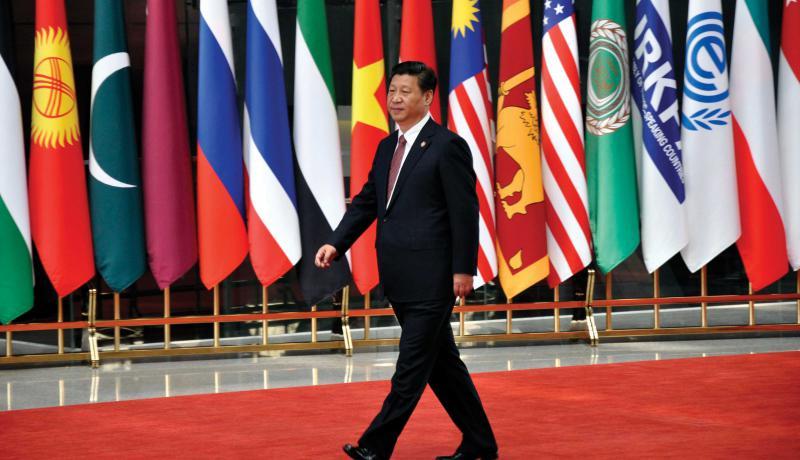
As geopolitical dynamics shift in an increasingly multipolar world, China is set to embark on an extensive diplomatic campaign across the Americas, a region traditionally dominated by U.S. influence. In the wake of heightened tensions between the West and Beijing, Chinese officials are eager to bolster economic ties, enhance political partnerships, and expand their cultural footprint in a landscape rife with opportunities and challenges. This upcoming diplomatic blitz signals a strategic pivot by China to strengthen its presence in the Western Hemisphere and positions the country as a key player in the region’s future. As the stakes rise, observers are left to ponder the implications of China’s engagement in the Americas, not only for bilateral relations but also for the broader geopolitical landscape. This article explores the motivations behind China’s diplomatic maneuvers, the potential impact on regional dynamics, and the responses from the United States and its allies.
China’s Strategic Outreach: Assessing Economic and Political Impacts in the Americas
As China expands its diplomatic footprint across the Americas, the implications for both economic and political landscapes are profound. Beijing’s strategic outreach, characterized by significant investments and partnership agreements, presents opportunities for Latin American countries seeking to diversify their trading partners away from traditional preeminence of the United States. This engagement often manifests through initiatives in critical sectors like infrastructure, technology, and energy. For instance, Chinese state-owned enterprises have earmarked billions for projects ranging from railways in Brazil to renewable energy installations in Chile. By enhancing local economies, these investments can bolster economic growth, create jobs, and elevate regional influence on the global stage.
However, the implications of this diplomatic blitz extend beyond mere economic transactions. Political alignment with China presents a complex web of challenges as regional leaders navigate their sovereignty and the associated risks of dependency. Concerns over debt sustainability, influence over domestic policies, and potential shifts in foreign allegiance highlight the delicate balance that Latin American nations must achieve. Further complicating matters is the evolving geopolitical landscape, which features a rising tide of nationalism and skepticism towards foreign interventions. As this dynamic unfolds, it will be crucial for stakeholders to remain vigilant and strategically assess the long-term impacts of China’s deepening ties in the Americas.
Building Alliances: China’s Diplomatic Approaches to Strengthening Ties with Latin American Nations
In recent years, China has strategically intensified its diplomatic engagements with Latin American countries, aiming to enhance its influence across the region. By adopting a multifaceted approach that encompasses economic partnerships, cultural exchanges, and political diplomacy, Beijing has successfully built strong alliances with nations such as Brazil, Argentina, and Chile. Key initiatives include the establishment of the China-CELAC Forum, which serves as a platform for cooperation and dialogue, facilitating development projects and increasing investment flows. This diplomatic push is marked by China’s commitment to bolster infrastructure development through projects like the Belt and Road Initiative (BRI), which has catalyzed substantial growth in local economies and provided a substantial boost to trade relations.
Moreover, China’s soft power strategies have played a pivotal role in strengthening these ties. Educational exchanges, cultural diplomacy, and people-to-people connections have fostered a sense of unity and mutual respect between China and Latin American nations. Chinese language programs and cultural festivals have become increasingly popular, enhancing understanding and appreciation of Chinese culture. As a result, Latin American countries are beginning to view China not just as a commercial partner, but as an essential player in their social and political landscapes. Below is a table highlighting key aspects of China-Latin America relations:
| Aspect | Details |
|---|---|
| Economic Investment | Over $100 billion in trade and investments across key sectors. |
| Cultural Exchange Programs | Increased scholarships for Latin American students to study in China. |
| Political Cooperation | Joint statements on global governance and multilateralism. |
| Infrastructure Projects | Investment in roads, bridges, and energy facilities throughout the region. |
Navigating Challenges: Recommendations for Policymakers in the Americas in Response to China’s Initiatives
As China ramps up its diplomatic presence in the Americas, policymakers must adopt a proactive approach to navigate the complexities of this geopolitical landscape. Strengthening regional alliances is vital; countries in the Americas should collaborate to form united fronts in trade, security, and climate initiatives. Emphasis should be placed on enhancing multilateral organizations, such as the Organization of American States (OAS), to foster cooperation on mutual concerns, counter undue influence, and maintain democratic values. Additionally, investing in public diplomacy will allow nations to communicate their priorities effectively, rally public support, and counter misinformation campaigns that may emerge during China’s initiatives.
Furthermore, diversifying trade partnerships is essential to reduce overreliance on any single country. By promoting economic ties with diverse international partners, countries in the Americas can bolster their resilience against external pressures and create a more balanced economic environment. Policymakers should also prioritize innovation and technology transfer, fostering research and development collaborations to strengthen local industries. Finally, enhancing educational exchanges and cultural diplomacy can build long-term relationships and mutual understanding, positioning the Americas to respond effectively to the challenges posed by China’s growing influence in the region.
Closing Remarks
In conclusion, as China embarks on a strategic diplomatic blitz across the Americas, the implications for regional dynamics are profound. This renewed focus on Latin America and the Caribbean signals Beijing’s intent to expand its influence and reinforce economic ties, which could reshape the geopolitical landscape. As nations in the region navigate this evolving relationship, they must balance engagement with vigilance, ensuring that their sovereignty and national interests are protected. Future interactions will undoubtedly be closely watched by global observers, emphasizing the importance of diplomacy in an increasingly interconnected world. With China’s ambitions, the Americas stand at a crossroads, facing both opportunities and challenges that will define the continent’s future. As this diplomatic momentum builds, the stakes are higher than ever, warranting careful scrutiny and strategic responses from all involved.