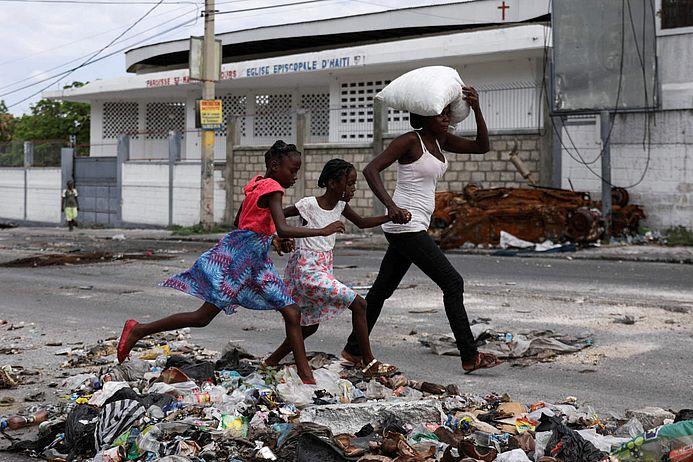
As tensions mount and humanitarian crises deepen across the Americas, the 53rd General Assembly of the Organization of American States (OAS) convenes this week in Antigua, with pressing issues of migration from Haiti and Venezuela taking center stage. Amidst a backdrop of political instability and economic collapse in these nations, member states will engage in discussions aimed at addressing the challenges posed by an unprecedented exodus of people seeking refuge from violence and hardship. The assembly presents a critical opportunity for regional leaders to forge collaborative solutions, as they navigate the complex interplay of migration, security, and human rights in a region grappling with growing discontent and calls for action.
OAS General Assembly Focuses on Regional Migration Crisis in Haiti and Venezuela
The ongoing regional migration crisis fueled by turmoil in Haiti and Venezuela took center stage at the OAS General Assembly in Antigua. Delegates from various countries discussed the urgent need for collective action and innovative solutions to address the plight of displaced populations. With Haiti facing escalating violence and Venezuela grappling with a severe humanitarian crisis, the assembly recognized the necessity for member states to share responsibility in providing refuge and support. The dialogue emphasized not only the immediate concerns of safety and shelter but also the long-term implications on regional stability and development.
Key proposals emerged during the sessions, including the establishment of multilateral assistance programs and strengthening partnerships with international organizations. Delegates highlighted the importance of addressing root causes such as economic instability, political unrest, and natural disasters that exacerbate migration flows. To facilitate these discussions, the assembly considered the following commitments from member states:
| Commitment | Description |
|---|---|
| Shared Responsibility | Member states to coordinate efforts in host countries to support migrants. |
| Humanitarian Aid | Increased financial aid focused on shelter, healthcare, and education. |
| Regional Cooperation | Enhancing collaboration between countries to streamline migration management. |
As discussions continued, there was a prevailing sentiment for a united regional approach that reflects solidarity and humanity in times of crisis. The plight of Venezuelans and Haitians was not just a national concern but a regional challenge that necessitated a comprehensive strategy to ensure protection and support for all affected individuals.
Diplomatic Solutions and Humanitarian Aid Take Center Stage in Antigua
As the OAS General Assembly unfolds in Antigua, representatives from across the Americas are placing a strong emphasis on developing diplomatic solutions to the ongoing crises in Haiti and Venezuela. With escalating political instability and humanitarian concerns, the dialogue aims to address issues such as electoral integrity, governance, and regional security. Key figures are advocating for a collaborative international approach, urging member nations to assist in establishing a stable political framework that respects human rights and democratic principles.
In conjunction with discussions on governance, humanitarian aid is at the forefront of the Assembly’s agenda. The plight of migrants fleeing turmoil in their home countries is particularly poignant, prompting calls for a unified response to support displaced populations. Participants are considering a variety of initiatives, including:
- Increased funding for humanitarian organizations
- Emergency relief assistance for affected communities
- Support programs for integrating migrants into host countries
| Country | Key Issues | Proposed Actions |
|---|---|---|
| Haiti | Political instability, poverty | International intervention, electoral support |
| Venezuela | Human rights violations | Sanctions review, diplomatic pressure |
Recommendations for Collaborative Strategies to Address Migration Challenges
The recent discussions at the OAS General Assembly highlight a critical need for strategic collaboration amongst member states to effectively tackle the multifaceted challenges posed by migration from countries like Haiti and Venezuela. Shared responsibility is paramount; thus, countries must come together to establish coordinated response protocols that address not only the immediate humanitarian needs but also the long-term integration of migrants. Collaborative initiatives could include:
- Joint Task Forces: Forming dedicated groups that combine resources and expertise to manage migrant flows.
- Shared Data Systems: Implementing technology platforms that allow for better tracking and analysis of migration trends across the region.
- Cross-border Support Networks: Promoting community-based initiatives that assist migrants in accessing essential services.
Additionally, fostering public-private partnerships can significantly enhance the capacity to manage migration challenges. By leveraging private sector resources, governments can create sustainable job opportunities for both migrants and local populations, thereby mitigating social tensions. Educational programs aimed at cultural integration and language acquisition could be developed, along with financial support for local infrastructures. The following table outlines potential sectors for investment and partnership:
| Sector | Potential Initiatives |
|---|---|
| Health | Community health clinics providing services to migrants |
| Education | Language and vocational training programs |
| Employment | Skills development workshops with local businesses |
The Way Forward
As the OAS General Assembly convenes in Antigua, the urgent issues of migration from Haiti and Venezuela are at the forefront of discussions among member states. Delegates are poised to address the multifaceted challenges posed by these crises, seeking collaborative solutions to a growing humanitarian concern that stretches across the Americas. With the backdrop of rising political instability and socioeconomic turmoil, the decisions made during this assembly will have lasting implications for regional policy and international relations. As the conversations unfold, the world watches closely, keen to see how the OAS will navigate these pressing issues and work towards fostering stability and security in the hemisphere. The outcomes of this assembly could shape the future of migration policies and cooperative efforts among nations grappling with the repercussions of displacement and unrest.