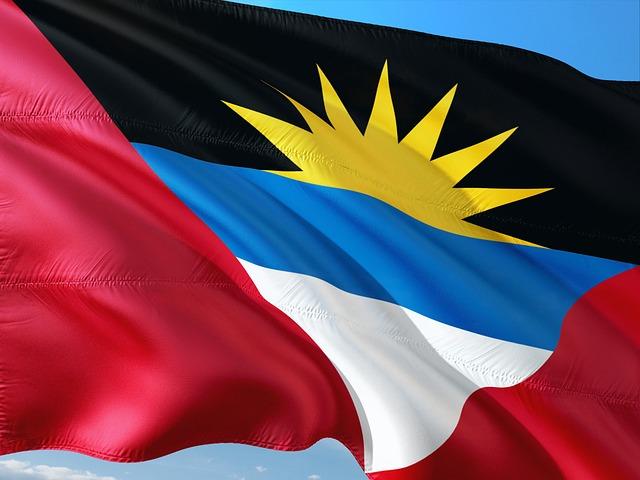
Antigua and Barbuda: A Caribbean Jewel with a Rich Tapestry of Culture and History
Nestled in the heart of the Caribbean, Antigua and Barbuda stands as a vibrant testament to the region’s complex history and cultural richness. This twin-island nation, known for its stunning beaches and azure waters, is more than just a tropical paradise; it is a unique blend of indigenous heritage, colonial influences, and contemporary Caribbean life. In this comprehensive country profile, we delve into the geographical, political, and economic landscapes of Antigua and Barbuda, exploring its journey from colonial rule to independence and its current role on the international stage. With a focus on its diverse society and burgeoning tourism sector, we aim to provide an in-depth understanding of this intriguing destination that captivates visitors and shapes the lives of its inhabitants.
Antigua and Barbuda: A Comprehensive Political Overview and Governance Structure
Antigua and Barbuda operates as a parliamentary democracy within the framework of a constitutional monarchy. The head of state is the British monarch, currently represented by a Governor-General who carries out ceremonial duties while the Prime Minister holds executive powers. The political landscape is dominated by two major parties: the Antigua and Barbuda Labour Party (ABLP) and the United Progressive Party (UPP). Elections are held every five years, and the Parliament consists of the House of Representatives and the Senate, with the House playing a more significant role in governance. Key political features include:
- Multi-party system: Fosters diverse political representation.
- Independent Judiciary: Ensures checks and balances on government power.
- Electoral Commission: Oversees the conduct of free and fair elections.
The governance structure of Antigua and Barbuda reflects its historical ties to the United Kingdom while also integrating local cultural elements. The Constitution guarantees fundamental rights and freedoms, serving as the backbone of its legal and political framework. Local governance is further enhanced by regional administrative bodies that allow communities to have a say in local affairs. Notably, the country has made strides in recent years to engage citizens through more digital initiatives, fostering transparency and accountability in public service. A summary of governance features can be found in the table below:
| Governance Feature | Description |
|---|---|
| Political Parties | Two major parties dominate, promoting stable political discourse. |
| Electoral Process | Regular elections conducted by an independent commission. |
| Judicial Independence | Judiciary operates independently from the executive and legislative branches. |
Economic Landscape and Development Opportunities in Antigua and Barbuda
Antigua and Barbuda’s economy is primarily driven by tourism, which accounts for a significant portion of the nation’s GDP and employment. The stunning beaches, historical sites, and vibrant culture attract millions of visitors annually, making the tourism sector a key contributor to national revenue. In addition to tourism, other growing sectors include agriculture, manufacturing, and financial services, with a particular focus on offshore business incentives. The government has been actively seeking to diversify the economy to reduce its dependence on tourism, thus opening up new avenues for investment and development.
With the ongoing global shift towards sustainability, there are emerging opportunities in renewable energy and green technologies. The island nation is strategically positioned to harness solar, wind, and geothermal energy, providing potential pathways for foreign investment. Furthermore, initiatives such as the Citizenship by Investment program have attracted high-net-worth individuals seeking residency, boosting the real estate sector. Overall, as Antigua and Barbuda navigate the challenges and opportunities ahead, embracing innovation and diversification will be crucial for sustainable economic growth.
Cultural Heritage and Tourism Potential: Preserving Identity While Promoting Growth
Antigua and Barbuda stands as a testament to the rich tapestry of cultural heritage that draws tourists from around the globe. The dual-island nation boasts a diverse array of historical sites, traditional festivals, and local craftsmanship that not only attract visitors but also serve to preserve the identity of the communities. Key cultural features include:
- Annual Carnival Celebrations: A vibrant expression of culture showcasing music, dance, and elaborate costumes.
- Heritage Sites: The historic Nelson’s Dockyard and St. John’s Cathedral, which reflect the islands’ colonial past.
- Traditional Craftsmanship: Local artisans create unique handicrafts, preserving skills passed down through generations.
- Gastronomic Diversity: The culinary scene highlights local ingredients and traditional recipes, creating an authentic experience for visitors.
Balancing tourism development with cultural preservation remains a crucial focus for policymakers and stakeholders in Antigua and Barbuda. By fostering sustainable tourism practices, the government seeks to leverage its cultural assets while ensuring that local traditions and identities are not overshadowed by commercialization. The tourism sector’s growth is being strategically aligned with initiatives aimed at:
- Community Engagement: Involving local communities in tourism initiatives ensures that they benefit directly from economic opportunities.
- Education and Awareness: Promoting the historical and cultural significance of sites among both tourists and locals.
- Conservation Efforts: Protecting natural and cultural resources as part of a comprehensive tourism strategy.
Concluding Remarks
In summary, Antigua and Barbuda stands as a vibrant nation shaped by its rich history, diverse culture, and beautiful landscapes. From its colonial past to its modern-day challenges and achievements, this twin-island state exemplifies resilience and adaptability in the face of global shifts. With its economy largely driven by tourism and ongoing efforts towards sustainability, Antigua and Barbuda remains a key player in both regional and international spheres. As the country navigates the complexities of the 21st century, it continues to inspire with its unique blend of tradition and progress. For more insights and updates on this fascinating Caribbean nation, stay tuned to our ongoing coverage.