Hezbollah’s Growing Influence in Latin America: An Urgent Call to Action
Recent developments have raised significant concerns regarding regional security and the threat of international terrorism, particularly following Argentina’s revelation of a key individual linked to Hezbollah operating within its borders. This discovery is part of a broader investigation into the activities of the Lebanese militant group, which has increasingly drawn attention from global intelligence agencies and governments alike. As Hezbollah broadens its influence beyond its traditional Middle Eastern strongholds, it poses serious challenges for counterterrorism efforts throughout Latin America.
Argentina Unveils Hezbollah’s Network in Latin America
The Argentine authorities have made notable progress in uncovering critical details about Hezbollah’s operational network across Latin America. This includes identifying a central figure responsible for coordinating various terrorist activities across several nations. The findings reveal an intricate web of alliances that Hezbollah has forged to extend its reach far beyond Middle Eastern territories.
The investigation uncovered a well-organized structure within Hezbollah’s operations in South America, illustrating how different individuals and cells are interconnected throughout the continent. Key revelations include:
- Central Command Hub: Located in Venezuela, this serves as the strategic core.
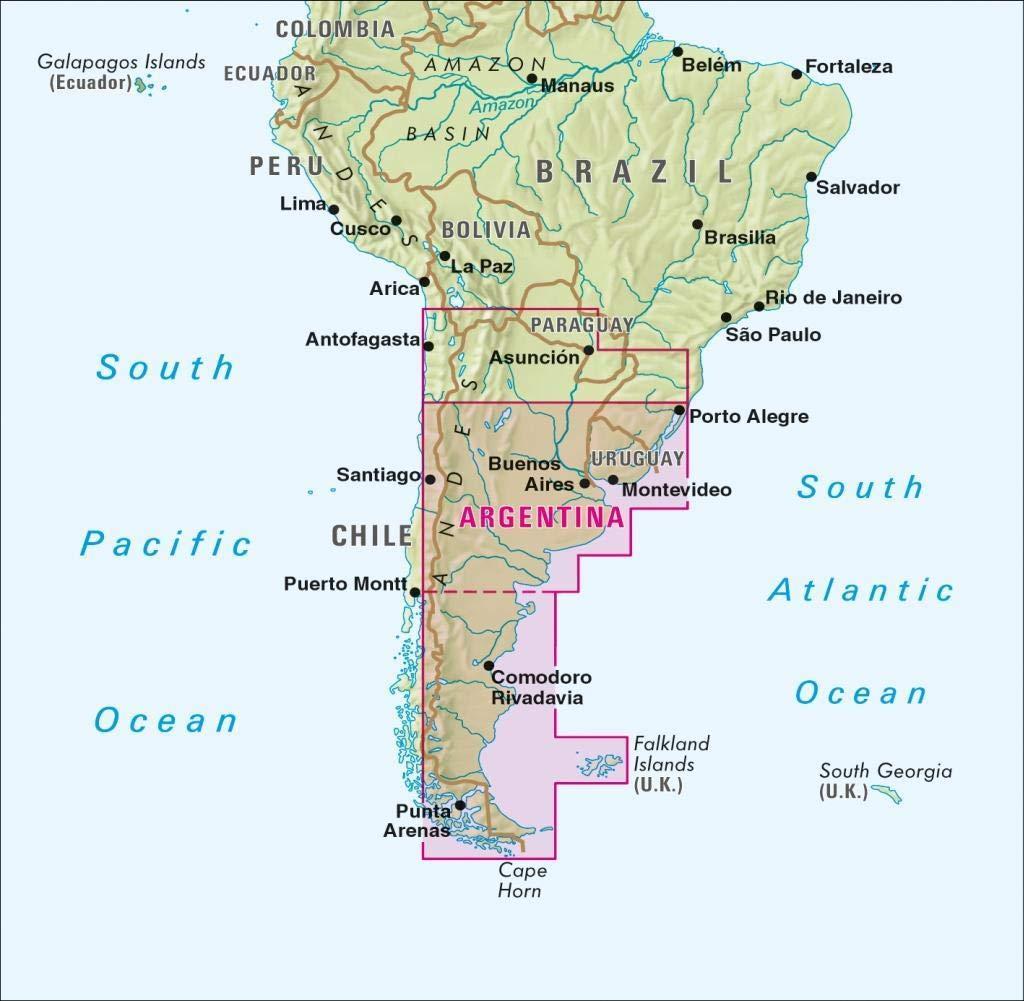
- Regional Cells: Dispersed across countries such as Argentina, Brazil, and Paraguay; each cell oversees specific local operations.
- Support Networks: Collaborations with organized crime groups to facilitate illegal activities.
This troubling discovery not only underscores Hezbollah’s extensive reach but also raises urgent concerns regarding international security and highlights the need for collaborative measures to effectively combat these transnational threats.
Evaluating the Threat: The Impact of Hezbollah in South America
The recent findings from Argentina shed light on Hezbollah’s increasing presence within Latin America by pinpointing a significant terrorist leader active in this region. This crucial information reveals a complex operational framework that jeopardizes regional stability while affecting diplomatic relations between South American countries and their global counterparts. Recognized by many nations as a terrorist organization, Hezbollah’s network prompts pressing questions about its implications on global terrorism dynamics, drug trafficking routes, and human trafficking networks.
A range of experts warns that this group’s foothold could facilitate various illegal activities that threaten national stability amid existing internal challenges faced by these countries. The potential exploitation of local grievances by Hezbollah presents an alarming scenario with consequences extending well beyond national borders. Areas warranting particular concern include:
- Revenue Generation Activities: The organization’s ability to generate income through illicit channels such as drug smuggling and money laundering schemes.
- Youth Recruitment Strategies: The risk that disillusioned young people may be targeted for recruitment amidst socio-economic instability.
- Cohesion with Local Criminal Organizations: Partnerships formed with domestic criminal entities could significantly enhance both parties’ operational capabilities.
This evolving situation necessitates vigilant monitoring alongside enhanced international collaboration aimed at mitigating terrorism risks within this region. As nations reassess their strategies against these threats, there is an evident need for improved intelligence-sharing mechanisms along with robust law enforcement partnerships to address these challenges effectively.
Strengthening Security: Strategies to Effectively Counter Terrorism
The expansion of global terror networks compels regional authorities to adopt proactive measures aimed at bolstering security against groups like Hezbollah operating within Latin America’s confines. Establishing collaborative frameworks for intelligence sharing among nations is essential; forming unified task forces comprising local law enforcement alongside international agencies can significantly enhance situational awareness while enabling rapid responses to emerging threats.
Additionally, reinforcing border security protocols will play a critical role in curtailing illegal trafficking routes exploited by terrorists.
A community-focused approach remains vital when addressing terrorism directly; fostering partnerships between governments and local communities can promote vigilance against suspicious behaviors while enhancing public awareness initiatives.
Educational programs targeting youth can serve as effective counter-narratives against extremist ideologies while providing constructive alternatives.
Moreover, investments into technological advancements-such as surveillance systems combined with data analytics tools-can greatly improve predictive capabilities against clandestine terror cells operating across regions.
Concluding Thoughts on Regional Security Challenges
The recent identification made by Argentine officials concerning an influential figure linked to Hezbollah marks an important milestone in combating international terrorism efforts globally.
As both regional dynamics evolve alongside broader geopolitical landscapes,
this discovery emphasizes how crucial it is for countries worldwide-to collaborate closely when addressing transnational terrorist threats transcending borders.
The ramifications remain uncertain not just for Argentina but also extend throughout wider regions; however, this landmark finding may catalyze increased vigilance among nations striving towards dismantling extremist networks.