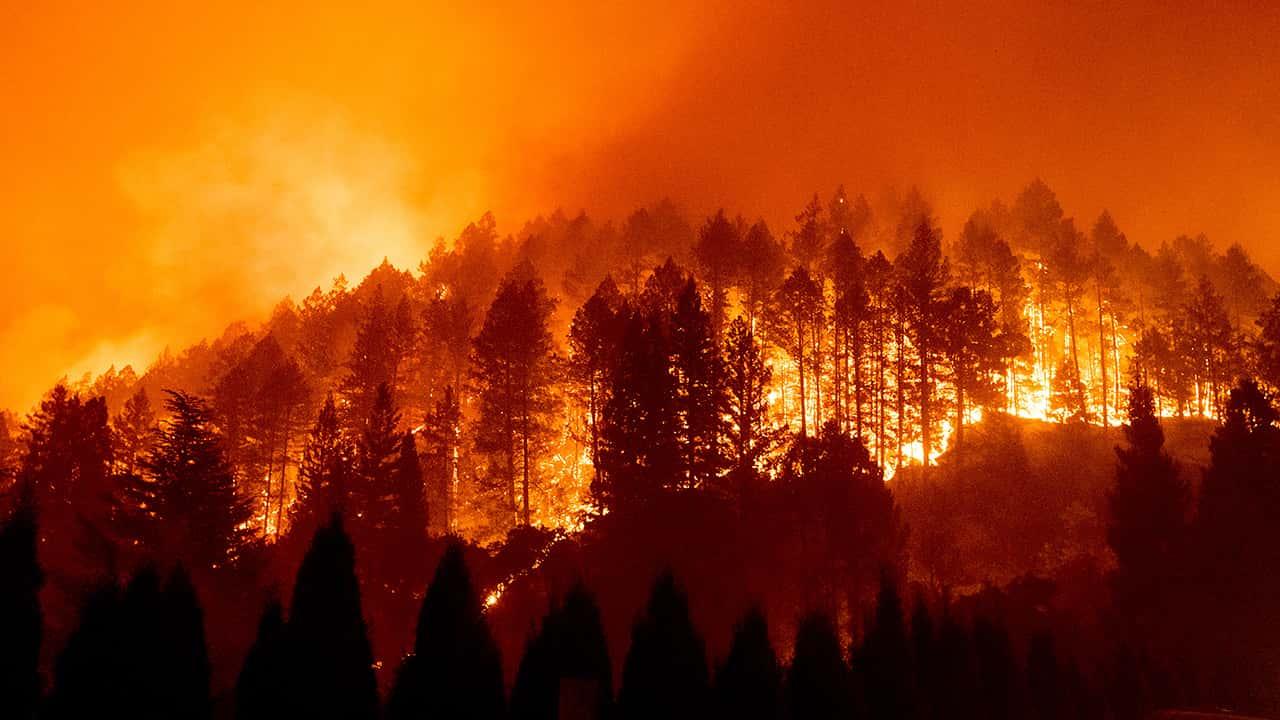
Wildfire Crisis in Latin America: A Growing Threat from Mexico to Argentina
As wildfires continue to devastate the landscapes of Los Angeles, a concerning pattern of increasing fire emergencies is making its way southward, impacting various regions throughout Latin America, from Mexico down to Argentina. The destructive effects of climate change, coupled with rampant deforestation and urban expansion, have transformed once-thriving ecosystems into highly flammable environments. This article delves into the alarming surge in wildfire occurrences across Latin America and investigates the environmental, economic, and social consequences that accompany this escalating crisis. As communities face loss and strive for recovery amidst destruction, it becomes increasingly vital to develop comprehensive strategies aimed at preserving the region’s rich biodiversity while safeguarding vulnerable populations against fire-related disasters.
The Wildfire Crisis in Latin America: Environmental and Social Consequences
The wildfire crisis sweeping through Latin America serves as a stark reminder of a broader struggle against climate change that affects both natural habitats and human livelihoods from northern Mexico to southern Argentina. As these fires rage on, they consume extensive forested areas, endangering biodiversity while releasing critically important amounts of carbon dioxide into the atmosphere. The repercussions are deeply felt across several key areas:
- Deforestation: Increased tree loss leads to habitat destruction and exacerbates climate change.
- Air Quality: Smoke generated by wildfires poses serious health risks for local residents, resulting in respiratory ailments.
- Water Resources: Fires disrupt hydrological cycles which threaten agricultural productivity as well as drinking water supplies.
- Economic impact: Communities dependent on tourism or agriculture suffer financial losses due to irreversible changes in their natural landscapes.
The socio-economic implications of this wildfire crisis are profound. Indigenous groups and rural communities often bear the brunt of environmental degradation—leading not only to displacement but also threatening cultural heritage. Efforts aimed at combating these fires are frequently hindered by inadequate funding along with a lack of coordinated response strategies across national borders. The gravity of this situation can be summarized in the following table:
| Country | Ecosystem Impact | Community Response |
|---|---|---|
| Mexico | Dramatic deforestation leading to wildlife habitat loss | Civic initiatives focused on reforestation efforts |
| Brazil | Agricultural disruptions alongside biodiversity decline | Pushing for stronger environmental protection laws through activism |
Mitigation strategies: Learning from Los Angeles’ Experience for Latin American Nations
The increasing threat posed by wildfires throughout vast regions of Latin America suggests that lessons learned from Los Angeles coudl inform effective interventions capable of significantly reducing risk levels. One crucial aspect is<strong community engagement;</strong educating locals about fire hazards can greatly enhance resilience when they actively participate in prevention measures. Implementing<strong controlled burns during off-peak seasons—similar practices established in California—can effectively manage excessive fuel loads.
Additionally,<strong modern technology such as drones or satellite imagery can facilitate early detection efforts; providing critical timeframes for implementing effective response strategies is essential.
Cultivating partnerships with local governments and organizations is equally vital; establishing<strong interagency task forces will streamline dialog channels while optimizing resource allocation during emergencies.
Moreover,<strong legislation focused on improving land management practices like defensible space regulations will help ensure safety for communities adjacent to wilderness areas.
Emphasizing<strong reforestation programs utilizing fire-resistant plant species can contribute towards creating more sustainable landscapes overall.
These comprehensive approaches informed by past experiences within Los Angeles may pave pathways toward improved wildfire management across diverse ecosystems found within various countries throughout Latin America.
Building Community Resilience: Enhancing Local Capacity against Fire Emergencies Across Regions
The intensifying impact caused by fire emergencies has prompted numerous communities within Latin america proactively strengthen their resilience capabilities.
Local initiatives play an integral role when addressing wildfires as they combine resources knowledge manpower ensuring sustainable responses occur effectively
Grassroots organizations alongside local governments increasingly prioritize education awareness recognizing community preparedness begins with informed citizens
Key strategies include:
- Training Programs : Regular workshops focusing on fire prevention response tailored specifically towards residents .
- Community Drills : Simulated emergency scenarios designed practice established response plans .
- resource Mapping : Cataloging identifying available resources including water sources firefighting equipment .
- Partnerships : Collaborations formed between NGOs governmental agencies private entities sharing expertise resources .
This regional effort has led establishment localized firefighting brigades capable responding swiftly crises situations
To create coherent efficient approaches some regions have adopted shared incident command systems (ICS) enhancing coordination among stakeholders involved minimizing duplication maximizing utilization available assets
A comparative overview illustrating these initiatives appears below:
| Country | Community Initiative | Impact |
|---|---|---|
| Mexico | Volunteer Firefighting Teams | (Reduced response time decreased )30% |
| (Chile) Forest Fire Awareness Campaigns | (Increased community reporting fires )50% Â | |
| (Argentina) National Coordination Workshops | (Enhanced inter-agency collaboration) |
Looking Ahead: A Call To Action Against Wildfire Threats In Our Region!
As wildfires persistently wreak havoc around our planet ,the ongoing crisis affecting Los Angeles now casts an ominous shadow over all parts South American continent stretching far beyond just Mexico reaching deep into Argentine territory ! This troubling trend underscores fragility inherent within ecosystems we rely upon highlighting urgent necessity comprehensive policies international cooperation combat growing threats posed Climate Change! witnessing far-reaching consequences arising out these devastating blazes impacting biodiversity air quality livelihoods alike makes clear proactive measures must be taken protect vulnerable environments people living them! Immediate action required collective responses involving governments ngos citizens alike before flames spread further risking irreversible damage done already! Time act now confront challenges without borders facing us head-on!