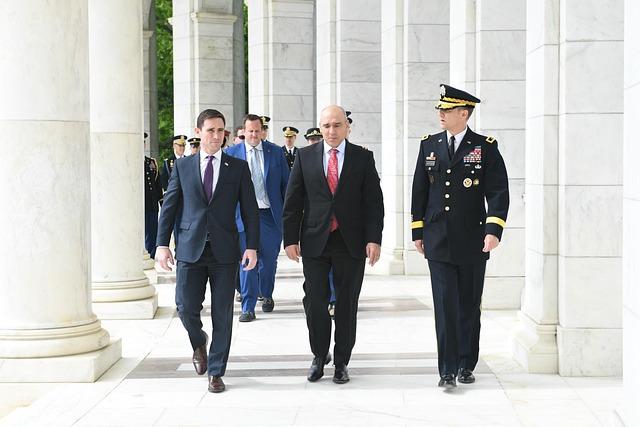
In a bold declaration resonating with promises of economic revival and national pride, Javier Milei, the newly elected president of Argentina, has laid out an ambitious vision: “We’re going to make Argentina and America great again.” This statement, echoing the populist rhetoric that has characterized recent political movements across the globe, indicates Milei’s intent to not only reshape Argentina’s economic landscape but also to reassert the nation’s place on the world stage. As he navigates the complex challenges ahead, including rampant inflation, a struggling economy, and political polarization, Milei’s presidency marks a pivotal chapter for Argentina and may signal broader implications for Latin America. With his libertarian ideals and unapologetic critique of the status quo, analysts are closely watching how his administration will impact both domestic policies and international relations. This article delves into Milei’s vision, his proposed reforms, and the potential consequences for a nation eager to reclaim its former glory.
Milei’s Vision for Argentina: A Bold Agenda for Economic Revival
Javier Milei’s vision for Argentina is characterized by a radical departure from traditional economic policies, as he promises to implement a series of reforms designed to unleash the country’s entrepreneurial spirit. His agenda focuses on drastic tax reduction, cutting government spending, and eliminating the central bank to stabilize the peso and eradicate inflation. By fostering a market-driven economy, Milei aims to incentivize investment and job creation, ultimately laying the groundwork for sustained economic growth. Underpinning this ambitious plan is his commitment to privatization of SOEs, which he argues will lead to increased efficiency and better services for citizens.
Milei’s framework is also marked by a passionate advocacy for individual freedoms and property rights, asserting that empowering businesses and consumers is essential for Argentina’s revival. His approach includes measures such as educational and health reforms to boost human capital, which he sees as pivotal to breaking the cycle of poverty that has persisted in the nation. Key tenets of his economic strategy encompass:
- Deregulation of markets to stimulate competition
- Simplification of the tax code to ease burdens on citizens
- Attracting foreign investment through favorable policies
Adopting this bold agenda, Milei positions himself not just as a politician but as a visionary leader determined to reshape Argentina’s destiny. Many of his assertions echo a broader, populist sentiment resonating across the Americas, emphasizing a revival of national pride and a commitment to rebuilding reputations globally.
Analyzing the ‘America First’ Approach: Implications for Bilateral Relations
The ‘America First’ approach, championed by the former Trump administration, emphasized prioritizing American interests in global affairs. The implications of this policy are profound, particularly for Argentina as it navigates its relationship with the U.S. under the presidency of Javier Milei. By pursuing a similar agenda, Milei’s administration aims to cultivate a bilateral relationship that not only strengthens economic ties but also aligns Argentina more closely with U.S. foreign policy. This could manifest in various ways, such as:
- Trade Agreements: Increased focus on bilateral trade deals that favor Argentine exports.
- Investment Initiatives: Encouraging U.S. investment in Argentine industries, particularly agriculture and tech.
- Political Alignment: Aligning Argentine foreign policy with U.S. positions on key global issues.
However, this recalibration also carries risks. Critics argue that an ‘America First’ stance may push Argentina into a subordinate role, limiting its ability to pursue independent foreign policy objectives. Moreover, the prioritization of U.S. interests may stir tensions with traditional partners in the region. As both nations explore this new direction, factors such as economic stability and domestic challenges will play a crucial role in determining the sustainability of their relationship. To illustrate potential shifts, the following table delineates key areas of mutual interest and concern:
| Area | Mutual Interest | Potential Concern |
|---|---|---|
| Trade | Expanding exports and lowering tariffs | Dependence on U.S. markets |
| Investment | Attracting U.S. capital | Market volatility and perceptions |
| Political Alliances | Shared democratic values | Alienation from regional allies |
Strategies for Achieving Greatness: Key Policy Recommendations for Argentina’s Future
In paving the way for a brighter future, Argentina must embrace a multifaceted approach to policy that promotes economic growth and social stability. To achieve these objectives, key recommendations include:
- Fiscal Responsibility: Implement stringent measures to control public spending and reduce the fiscal deficit.
- Trade Liberalization: Foster open trade agreements that boost exports and attract foreign investment.
- Regulatory Reform: Simplify the bureaucratic process to encourage entrepreneurship and innovation.
- Investment in Education: Prioritize educational reforms to equip future generations with the skills needed for a competitive workforce.
Additionally, bridging the gap between economic policies and social programs is essential for building inclusive growth. Proposed social strategies involve:
- Targeted Social Assistance: Develop programs that support the most vulnerable populations while promoting employment opportunities.
- Healthcare Access: Improve healthcare infrastructure to ensure that all citizens receive essential medical services.
- Environmental Sustainability: Encourage green technologies and sustainable practices that protect natural resources for future generations.
| Policy Area | Proposed Action |
|---|---|
| Economics | Enhance trade agreements |
| Social Welfare | Implement social support programs |
| Education | Reform educational systems |
The Conclusion
In conclusion, Javier Milei’s bold declaration of intent to make both Argentina and America great again underscores his ambitious vision for the future of his country. As he rallies supporters with promises of sweeping economic reforms and a return to traditional values, it remains to be seen how these proposals will resonate with the broader populace and impact Argentina’s complex political landscape. As Milei prepares to navigate the challenges ahead, including economic instability and a divided electorate, his commitment to change will be put to the ultimate test. The world will be watching as Milei embarks on this transformative journey for Argentina, seeking not only national rejuvenation but also a revival of the spirit that once characterized the American dream.