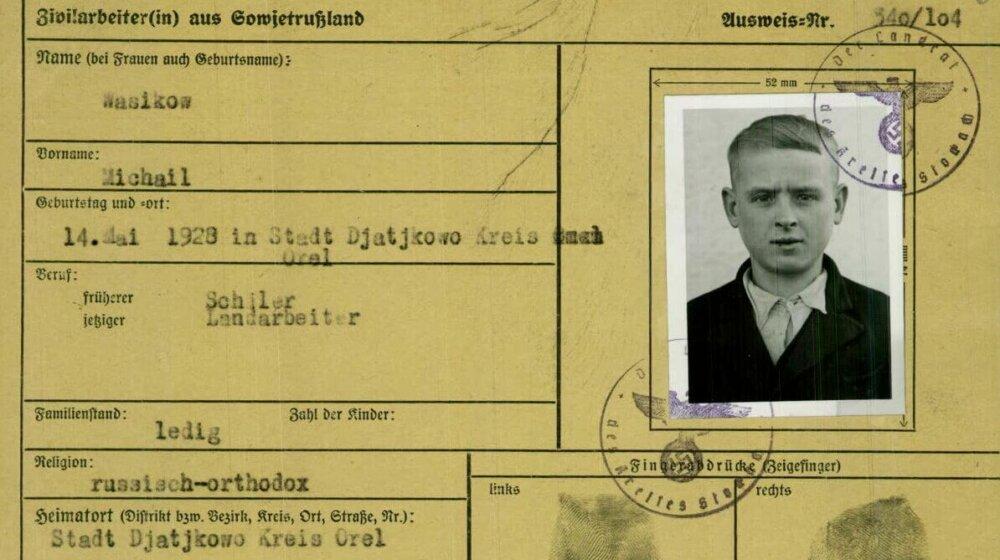
In a remarkable turn of events, a collection of long-forgotten documents associated with Nazi Germany has been discovered in the basement of Argentina’s Supreme Court. This unexpected find, made during routine maintenance, comprises various materials including official letters and personal records that illuminate the clandestine activities of Nazi officials who sought refuge in South America following World War II. This revelation not only challenges established narratives about Argentina’s post-war history but also prompts inquiries into how these individuals assimilated into Argentine society. As historians and archivists delve into this important revelation, it offers a crucial glimpse into a troubling period that many believed had been thoroughly examined.
Unveiling Nazi Documents and Their Historical Significance
The recent unearthing of an extensive collection of Nazi-related documents within the confines of Argentina’s Supreme Court has sparked intense discussions among historians, legal scholars, and human rights advocates. Hidden for years,these materials encompass correspondence,photographs,and complete records detailing the actions taken by Nazi officials who escaped Europe after WWII. The implications are profound as they raise critical questions regarding accountability for Holocaust-era crimes and how historical narratives are influenced by available evidence.
Experts are advocating for an exhaustive analysis of these documents to uncover both the individuals involved and the systems that enabled them to evade justice. Key inquiries stemming from this discovery include:
- Who aided their escape? Identifying networks that supported Nazis in South America is essential.
- What legal consequences might arise? These findings could necessitate a reassessment of past legal proceedings and reparations.
- How will this affect collective memory? New evidence may reshape public understanding of post-war justice efforts.
Analyzing Argentina’s Role in Refugee Policies During WWII
The recent revelation concerning Nazi documents has reignited debates surrounding Argentina’s intricate involvement in refugee policies during World War II. Traditionally viewed as a sanctuary for those fleeing persecution—including victims escaping from Nazism—these newly uncovered records may expose uncomfortable truths about how some individuals managed to secure asylum here. This raises critically important questions regarding whether Argentine authorities facilitated or obstructed their entry into the country while revealing potential sympathies towards Nazism within its political landscape at that time.
As researchers analyze these findings further implications emerge relevant to current discussions on refugee policies:
- Acknowledging Historical Accountability: Revisiting past actions could lead to a reexamination of Argentina’s historical narrative concerning its role during WWII—potentially affecting national identity and also international relations.
- Pushing Policy Reevaluation: Insights gained from these discoveries might inspire contemporary policymakers to rethink existing refugee protocols while promoting compassion alongside caution towards modern asylum seekers.
- Cultivating Public Awareness: The revelations could heighten public scrutiny over how nations remember their histories related to injustices faced by marginalized groups today—impacting societal approaches toward current migration issues.
Strategies for Preserving Historical Records and Ensuring Accessibility
This recent discovery underscores the critical importance placed on preserving historical documentation; thus necessitating robust strategies aimed at archival preservation coupled with public accessibility initiatives. Archival institutions should prioritize several key actions designed specifically around safeguarding invaluable materials such as those recently found:
- Sustaining Environmental Controls: Ensure optimal temperature levels along with humidity management techniques designed explicitly against deterioration risks associated with aging artifacts.
- Diligent Digitization Efforts:Create digital versions enabling easier access while together preserving original formats effectively over time periods extending far beyond immediate needs alone!
Additionally establishing access protocols balancing security requirements against public interest remains paramount! Implementing measures like shared databases between national/international archives would allow historians/researchers/public alike opportunities exploring previously hidden treasures freely whilst protecting sensitive content appropriately! Consider implementing frameworks addressing effective access solutions outlined below:
| Access Strategy | Description |
|---|---|
| Open Access | Provide unrestricted availability digitized records global audiences. |
| Restricted Access | Limit exposure sensitive materials requiring special permissions . |
| Guided Research | Facilitate researcher visits dedicated archivists assistance . |
Concluding Thoughts on Uncovering History’s Shadows
The recent unearthing within Argentina’s Supreme Court basement reveals not just forgotten chapters tied directly back towards dark legacies but also reignites conversations surrounding post-WWII policies relating specifically towards harboring war criminals! Such discoveries highlight ongoing quests seeking accountability alongside justice owed victims affected throughout Holocaust experiences endured historically speaking! As scholars continue sifting through newfound insights gleaned herein ,further revelations regarding operations/networks involving Nazis operating South America may prompt reevaluations concerning broader narratives shaping our understanding today ! Ultimately ,implications arising extend far beyond courtrooms reminding us all about enduring legacies left behind needing acknowledgment/confrontation moving forward together collectively !