
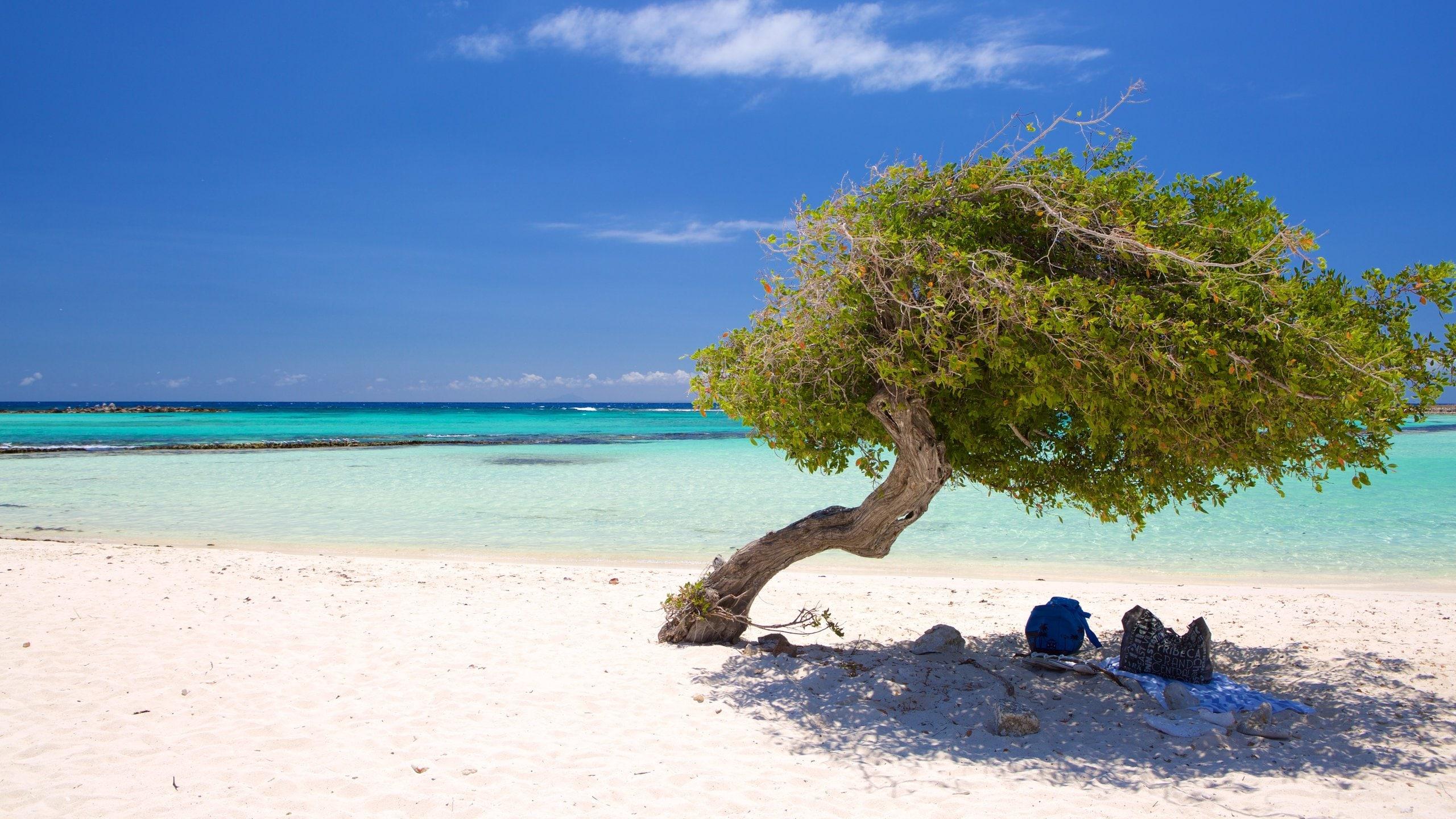
As a glittering gem in the Caribbean Sea, Aruba not only boasts stunning beaches and vibrant culture but also a rich tapestry of history, governance, and economic development that shapes its identity today. From its early days of indigenous habitation to its status as a popular tourist destination, Aruba’s journey reflects a dynamic interplay between its people and the forces of history that have shaped the island. In this article, we delve into the intricate aspects of Aruban life, exploring the island’s government structure, economic landscape, and the diverse tapestry of its inhabitants. With insights drawn from Britannica, we aim to provide a comprehensive understanding of Aruba-a destination where history meets modernity, creating a unique cultural mosaic that continues to evolve.
Understanding Aruba’s Government Structure and Political Landscape
Aruba’s government operates under a parliamentary democracy with a unique framework that reflects its historical ties to the Netherlands. The island’s political structure is characterized by a multi-party system, where the Parliament of Aruba (Parlament di Aruba) plays a pivotal role in shaping legislation and governance. The Parliament consists of 21 members, elected every four years, who represent different political parties. The Prime Minister, appointed by the Governor, is responsible for the daily operations of the government and often comes from the party with the majority in Parliament. The Constitution, which came into effect in 1986, established Aruba as a separate entity within the Kingdom of the Netherlands, allowing it significant autonomy in self-governance on local matters.
The political landscape of Aruba is shaped by a rich tapestry of cultural influences and socio-economic factors. Local political parties often emphasize issues such as tourism development, environmental sustainability, and economic diversification. Among the most notable parties are the People’s Electoral Movement (MEP) and the Aruban People’s Party (AVP), both of which play critical roles in the democratic discourse. Voter participation is actively encouraged, with recent elections witnessing turnout rates exceeding 70%, reflecting the populace’s commitment to civic engagement. Furthermore, Aruba’s relationship with the Netherlands remains significant, influencing its foreign policy, trade agreements, and cultural exchanges.
Exploring Aruba’s Economic Framework and Key Industries
Aruba’s economy is primarily driven by tourism, with the sector accounting for a substantial portion of the island’s GDP. This beautiful Caribbean destination attracts millions of visitors annually, drawn by its stunning beaches, vibrant culture, and warm climate. The government has laid a solid foundation for economic growth through the establishment of a liberal economic policy that promotes foreign investment and encourages entrepreneurship. In addition to tourism, key industries such as telecommunications, financial services, and oil refining play a crucial role in shaping Aruba’s economic landscape.
To better understand the diversity of Aruba’s economic framework, consider the following key sectors that contribute to its prosperity:
- Tourism: The backbone of the economy, with numerous resorts, casinos, and attractions.
- Telecommunications: A technologically advanced sector providing robust communication services.
- Financial Services: An attractive hub for banking and insurance entities due to favorable regulations.
- Oil Refining: Historically significant, although its prominence has shifted over time.
| Industry | Contribution to GDP (%) | Employment Share (%) |
|---|---|---|
| Tourism | 70 | 40 |
| Telecommunications | 10 | 15 |
| Financial Services | 8 | 10 |
| Oil Refining | 5 | 5 |
Delving into the Cultural Heritage and History of Aruba’s People
Aruba’s cultural heritage is a rich tapestry woven from various influences, reflecting the island’s storied past and its diverse inhabitants. The indigenous Arawak and Caquetio peoples are integral to the island’s identity, with vibrant traditions that still resonate today. Aruba’s history is marked by a blend of European colonization and African heritage, leading to a unique Creole culture characterized by:
- Language: Papiamento, a beautiful mix of Portuguese, Spanish, Dutch, and African dialects.
- Festivals: Colorful events such as Carnival that showcase music, dance, and art.
- Culinary Traditions: A fusion of flavors drawn from indigenous, European, and Caribbean cuisines.
As Aruba continues to evolve, it remains devoted to preserving its cultural identity. The government plays an active role in promoting the arts and heritage through various programs, ensuring the next generation remains connected to their roots. Additionally, the economy-largely driven by tourism-creates opportunities for visitors to engage with local traditions, joining in the celebrations and showcasing the island’s history. An overview of key historical milestones includes:
| Year | Event |
|---|---|
| 1499 | Spanish explorer Alonso de Ojeda claims Aruba for Spain. |
| 1636 | Dutch West India Company takes control, beginning a new colonial chapter. |
| 1986 | Aruba obtains “Status Aparte” within the Kingdom of the Netherlands. |
Concluding Remarks
In conclusion, Aruba stands as a vibrant example of resilience and cultural richness, shaped by its unique history and geographical setting. As we explored the intricacies of its government structure, economic framework, and the diverse tapestry of its people, it becomes clear that this Caribbean island is more than just a tourist destination; it is a dynamic society with a distinct identity and vision for the future. Whether you’re considering a visit or simply expanding your knowledge, understanding Aruba’s past and present is essential to appreciating the promising path it continues to carve out on the world stage. For further insights into this enchanting island, be sure to delve into our comprehensive Britannica entry, where a wealth of information awaits.











