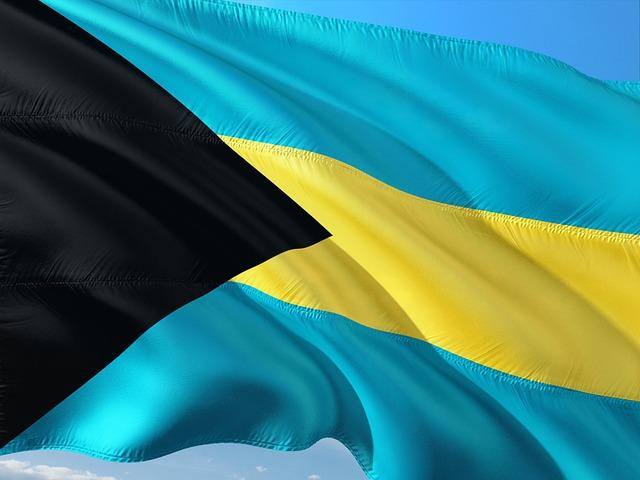
In a significant policy shift that has drawn attention across the Caribbean, the Bahamian government has announced that Haitian nationals will no longer be permitted entry into the country for the purpose of processing U.S. visas. This directive, aimed at addressing burgeoning immigration challenges and security concerns, reflects broader regional tensions and highlights the complexities surrounding migration in the Caribbean. As the Bahamas grapples with increasing pressures from neighboring Haiti, the implications of this decision will be closely monitored by both local communities and international stakeholders. With many Haitians seeking better opportunities abroad, this announcement raises critical questions about the future of migration in the region and the responsibilities of neighboring nations.
Bahamas Implements Restrictions on Haitian Nationals for US Visa Processing
The Bahamas government has announced new measures that significantly impact Haitian nationals seeking to process their U.S. visas. Effective immediately, Haitian citizens will be restricted from entering the Bahamas for the purpose of visa applications. This directive is part of a broader effort by Bahamian authorities to manage immigration flows and ensure compliance with international migration standards. Officials have indicated that this move is necessary due to the increasing number of requests and the complexities associated with visa processing in the region.
This situation raises several concerns among those affected, as it not only limits travel options for Haitians but also places additional pressure on their already strained immigration circumstances. The decision has prompted discussions on potential repercussions, including:
- Increased migration attempts: Restrictions may push individuals towards riskier routes.
- Economic implications: Local economies could be affected due to reduced interaction with Haitians seeking better opportunities.
- Humanitarian issues: Vulnerable populations might find themselves in precarious situations without access to support systems.
Impact on Migrant Communities and Regional Relations Explored
The recent decision by the Bahamian government to deny entry to Haitian nationals seeking U.S. visa processing raises significant concerns regarding its implications for migrant communities in the Caribbean. This move not only affects the Haitian diaspora but also reflects on the broader dynamics of regional migration patterns and relationships. Many Haitians view the Bahamas as a critical transit point to the United States, and this restriction could lead to an increase in undocumented migration attempts, placing further strains on both the Bahamian and Haitian governments. The situation may exacerbate existing socio-economic challenges as migrants become more vulnerable to exploitation.
Furthermore, this policy has the potential to sour relations between the Bahamas and Haiti, creating divisions that could hinder collaborative efforts on shared maritime security and immigration issues. In light of increasing regional tensions, stakeholders may need to address the multifaceted challenges posed by such restrictions. Considerations for improving the welfare of migrants include:
- Establishing support networks to assist those affected by the entry ban.
- Enhancing communication between governments for shared policy-making on migration.
- Pursuing dialogue with international organizations for humanitarian assistance.
Recommendations for Improved Immigration Policy and Humanitarian Response
In light of the Bahamas’ recent announcement to restrict entry for Haitians seeking U.S. visa processing, it is essential to consider a multifaceted approach to immigration policy that prioritizes humanitarian assistance while addressing the challenges faced by both the migrant population and host communities. Policymakers should strive for collaborative regional agreements that streamline processing and provide safety nets for vulnerable individuals. Such agreements could include:
- Temporary Safe Zones: Establish designated areas in the region where Haitians can receive legal assistance and humanitarian aid while waiting for visa processing.
- Capacity Building: Invest in infrastructure and resources for local governments in the Caribbean to manage increased migration flows and ensure that basic needs are met.
- Partnerships with NGOs: Collaborate with local and international organizations to ensure that migrants have access to education, healthcare, and legal support.
Moreover, an effective immigration policy must also emphasize comprehensive reforms that facilitate lawful entry while promoting the protection of human rights. By implementing a holistic strategy that tackles the root causes of migration, such as economic instability and political unrest, governments can alleviate pressures on host nations. A potential framework could include:
| Framework Element | Description |
|---|---|
| Economic Aid | Provide financial support to Haiti to foster job creation and stability. |
| Legal Pathways | Expand legal migration options that prioritize family reunification and humanitarian needs. |
| International Cooperation | Encourage global stakeholders to share responsibility in addressing the migrant crisis. |
In Conclusion
In conclusion, the Bahamas government’s recent announcement to cease allowing Haitians to enter the country for the purpose of US visa processing marks a significant development in regional immigration policy amid ongoing challenges faced by Haitian nationals. As the situation unfolds, it will be crucial to monitor how this decision impacts both nations and the larger Caribbean community. Authorities will need to navigate the complexities of humanitarian considerations while balancing national interests. The implications for families seeking reunification in the United States, as well as broader regional stability, remain to be seen as the Bahamas takes definitive steps in controlling migration flows. Stakeholders across the Caribbean and beyond will undoubtedly keep a close eye on how this policy shapes the current landscape of immigration in the region.