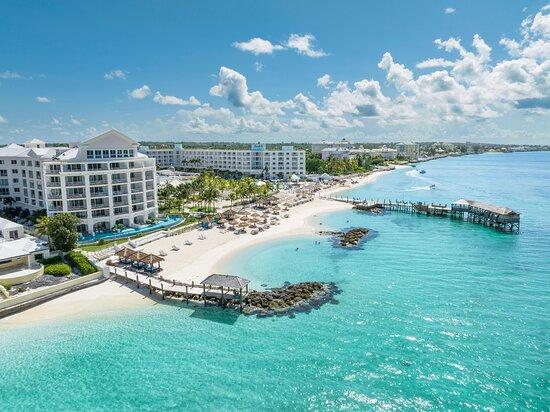
In a rapidly evolving trade landscape, the Bahamas has issued an urgent warning regarding the potential fallout from a new tariff initiative by the United States that could jeopardize the vital economic ties underpinning its trade and tourism sectors. As the Caribbean nation navigates the complexities of international commerce and the critical role of American visitors to its economy, officials are expressing deep concerns about the implications of heightened tariffs. With tourism accounting for a significant portion of the Bahamas’ GDP, the potential disruption could have far-reaching effects on its recovery and growth prospects. This article delves into the specifics of the U.S. tariff proposal and explores the potential consequences for the Bahamas and the broader Caribbean region, emphasizing the urgency for collaborative solutions to mitigate any adverse impacts.
Bahamas Raises Alarm Over US Tariffs Threatening Trade Relations
The Bahamas government has expressed serious concern over the potential implications of impending tariffs proposed by the United States, which could profoundly impact the island nation’s economy. As a key player in the Caribbean’s tourism and trade sectors, the Bahamas relies heavily on its close relationship with the U.S. The potential imposition of tariffs threatens to escalate costs for Bahamian exports and could lead to a ripple effect on local businesses, tourism operators, and everyday citizens. Industry leaders and officials fear that such economic barriers could deter American tourists, who constitute a significant portion of the Bahamas’ visitor arrivals.
Officials emphasize the importance of maintaining open trade channels, highlighting several key industries at risk:
- Tourism: The backbone of the Bahamian economy, reliant on American visitors.
- Agriculture: Local farmers are concerned about increased export costs for fresh produce.
- Fishing: The tariffs could make Bahamian seafood less competitive in the U.S. markets.
| Industry Impacted | Potential Effect |
|---|---|
| Tourism | Decrease in American visitor numbers |
| Agriculture | Higher costs for exports |
| Fishing | Loss of competitive edge in U.S. |
Impact on Tourism Sector as Tariffs Strain Bahamas-US Economic Ties
This shift in trade policy is anticipated to significantly affect the Bahamas’ tourism sector, which relies heavily on American tourists. With the new tariffs in place, travel costs for U.S. visitors may rise, leading to a potential decline in tourism numbers. The tourism industry is critical to the Bahamian economy, contributing over 50% to the nation’s GDP and employing a significant portion of the workforce. As a result, any decrease in tourism could have widespread implications, including:
- Reduced Hotel Occupancy: Higher costs may deter travelers from booking vacations in the Bahamas.
- Fewer Direct Flights: Airlines might cut back on services to the Bahamas due to lower demand.
- Impact on Local Businesses: Restaurants, shops, and tour operators could face revenue losses.
In light of these challenges, stakeholders within the Bahamian government and tourism sector are sounding alarms. They stress that maintaining strong economic ties with the United States is crucial not only for tourism but for overall trade. As negotiations continue, industry leaders are advocating for the following strategies:
| Strategy | Description |
|---|---|
| Policy Advocacy | Engaging with U.S. officials to discuss the ramifications of tariffs on tourism. |
| Promotional Campaigns | Launching marketing initiatives to attract visitors despite potential costs. |
| Diversification | Encouraging visits from international tourists to balance out any decline. |
Recommendations for Strengthening Caribbean Trade Amidst Uncertain Tariff Landscape
In light of the recent trade disruptions spurred by the U.S. tariff adjustments, Caribbean nations must proactively seek strategies to bolster their trade frameworks. Emphasizing the importance of bilateral and multilateral agreements, countries should explore avenues for deeper economic collaboration. Key recommendations include:
- Enhancing Regional Trade Agreements: Expanding the Caribbean Community (CARICOM) arrangements to encompass more sectors could create a unified approach, enabling member states to negotiate collectively with larger economies.
- Diversifying Export Markets: Caribbean states should identify alternative markets for their agricultural and manufactured products, minimizing reliance on a few dominant trading partners.
- Investing in Trade Facilitation Technologies: Streamlining customs and border procedures can significantly enhance trade efficiency, encouraging regional and international business growth.
Furthermore, fostering a robust tourism sector is essential, as it intertwines closely with trade. Strengthening tourism partnerships with non-traditional markets can attract visitors and stimulate economic resilience. Policymakers are encouraged to consider:
| Strategy | Potential Benefits |
|---|---|
| Joint Marketing Campaigns | Attract diverse tourists and boost visibility |
| Travel Incentives | Encourage longer stays and higher spending |
| Cultural Exchanges | Promote heritage and local craftsmanship |
Final Thoughts
In conclusion, the urgent warning issued by the Bahamas highlights the precarious balance of trade and tourism ties that bind the Caribbean nation to its American counterpart. As the U.S. contemplates imposing tariffs that could disrupt essential commerce, the implications for local businesses and the broader economy cannot be overstated. The Bahamas, heavily reliant on tourism and trade, stands at a crossroads that could redefine its economic landscape. Stakeholders on both sides of the Atlantic must now navigate this potential crisis with prudence and foresight, ensuring that the channels of trade and tourism remain open and beneficial for all involved. As developments unfold, the world will be watching closely to see how this situation evolves and what it signifies for the future of Caribbean-American relations.