
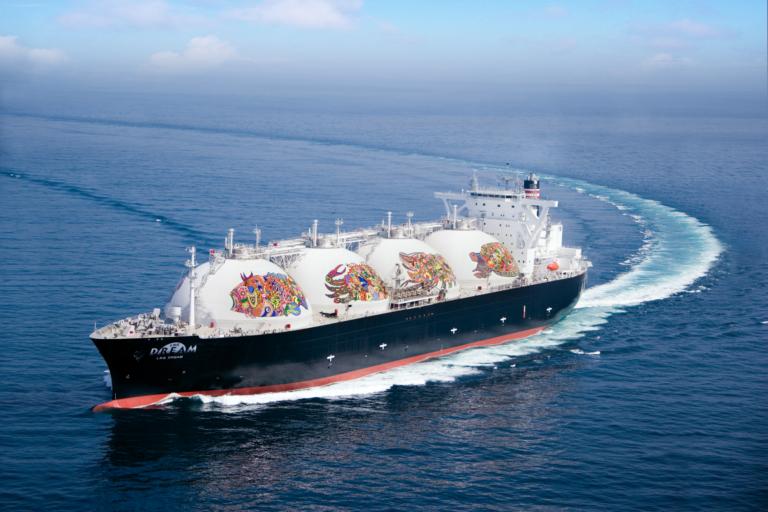
Caribbean Energy Watch: Navigating Regulatory Changes and Economic Forecasts
As the Caribbean region continues to grapple with its energy transition, recent developments in liquefied natural gas (LNG) regulations in the Bahamas, a call for liquefied petroleum gas (LPG) in the US Virgin Islands, and a notable credit rating adjustment for the Dominican Republic are drawing significant attention from industry stakeholders. These events not only reflect the shifting dynamics of energy supply and regulation in the region but also underscore the broader economic implications amidst a backdrop of rising global energy demands and environmental considerations. In this edition of Caribbean Energy Watch, we explore the latest advancements and challenges facing these nations, examining how policy decisions and financial assessments will shape the future of energy in the Caribbean.
Bahamas Implements New LNG Regulations to Enhance Energy Security
The Bahamas has recently enacted a series of comprehensive regulations aimed at overseeing liquefied natural gas (LNG) operations in a bid to bolster energy security across the archipelago. These new measures are designed to streamline licensing processes, improve safety standards, and promote well-defined operational practices within the LNG sector. Key elements of these regulations include:
- Enhanced Safety Protocols: Establishing strict guidelines for LNG transportation and storage to minimize risks.
- Licensing Requirements: Implementing a structured framework for operators seeking to engage in LNG activities.
- Regular Audits: Mandating frequent inspections and audits to ensure compliance with the energy policies.
As the Bahamian government seeks to diversify its energy sources and reduce reliance on imported fuels, the introduction of these regulations is a pivotal step toward fostering a robust LNG market. By encouraging local investment and increasing transparency within the industry, these changes are anticipated to attract foreign partnerships and enhance the overall energy landscape. Furthermore, this strategic approach can substantially mitigate the vulnerability of the island nation to fluctuating global energy prices and supply disruptions.
US Virgin Islands Seeks Proposals for LPG Supply Amid Growing Demand
The US Virgin Islands is inviting bids from suppliers to meet the rising demand for liquefied petroleum gas (LPG) across its islands. With an increasing push towards energy diversification and sustainability, the territory seeks to enhance its energy security while reducing dependence on traditional fuel sources. This call for proposals underlines the government’s commitment to a competitive procurement process, which is expected to foster favorable pricing for consumers. Key aspects of the proposal include:
- Volume Requirements: Specific quantities to be delivered periodically to designated terminals.
- Sustainability Standards: Preference will be given to suppliers that demonstrate environmental considerations.
- Local Partnerships: Encouragement for joint ventures with local stakeholders.
As global energy markets inch towards recovery and the demand for cleaner energy sources amplifies, the US Virgin Islands aims to position itself strategically in the LPG arena. The territory’s geographical advantages and existing infrastructural framework for liquid gas transactions make it a viable hub for ongoing supply agreements. Interested suppliers are encouraged to submit their proposals promptly, as the territory is keen to finalize agreements that align with its economic objectives. Additionally, the focus on LPG reflects a broader commitment to evolving the energy landscape, setting the stage for future investments in renewable resources.
Dominican Republic Faces Credit Rating Pressure: Implications for Energy Investment
The recent downgrade of the Dominican Republic’s credit rating has raised significant concerns among investors, particularly in the energy sector, which is crucial for the country’s economic growth. Analysts warn that the nation’s fiscal challenges, exacerbated by rising public debt and inflation, could result in higher borrowing costs and decreased foreign investment in energy projects. This situation might lead potential investors to reconsider their commitments to the Dominican Republic, as they seek assurances about the stability and profitability of future ventures.
Key implications of this credit rating pressure include:
- Increased Investment Risks: Investors may perceive energy projects as higher-risk ventures, influencing their decision-making and potentially slowing down the pace of project approvals.
- Potential Project Delays: Existing and upcoming energy initiatives might experience setbacks as funding becomes more challenging to secure.
- Shift in Strategic Partnerships: The government may need to engage in negotiations for more favorable terms with investment partners to offset rising costs associated with their borrowing.
Moreover, the impact of this credit rating situation is likely to extend beyond immediate financial implications. As competition from neighboring Caribbean nations increases, the Dominican Republic will need to find innovative solutions to bolster investor confidence and attract essential capital for energy infrastructure developments. The energy landscape in the region is poised for dramatic shifts, and the Dominican Republic must navigate these challenges deftly to maintain its position as a key player in Caribbean energy.
Wrapping Up
As the Caribbean continues to navigate the complexities of its energy landscape, recent developments underscore the region’s commitment to diversifying its energy sources and enhancing regulatory frameworks. The Bahamas’ advancements in LNG regulations reflect an effort to create a more conducive environment for investment, while the US Virgin Islands’ call for LPG highlights the urgency to meet growing energy demands sustainably. Meanwhile, the Dominican Republic’s credit rating adjustments signal both challenges and opportunities for energy infrastructure financing in the region. As these nations pursue strategic initiatives, their actions will undoubtedly shape the future of Caribbean energy, influencing not only their local economies but also contributing to broader regional stability and growth. Stakeholders will need to remain vigilant and adaptive to ensure that these developments translate into reliable and sustainable energy solutions for all.











