Photo: Delta Air Lines
All international flights arriving in Atlanta go to Concourse F, while all Delta Air Lines domestic flights arrive and depart from Concourse T at the other end of the airport. With most flights from Europe arriving at around the same time, it can easily take you an hour to clear US immigration and customs. Once you do that, you must navigate the airport to your domestic departure gate.
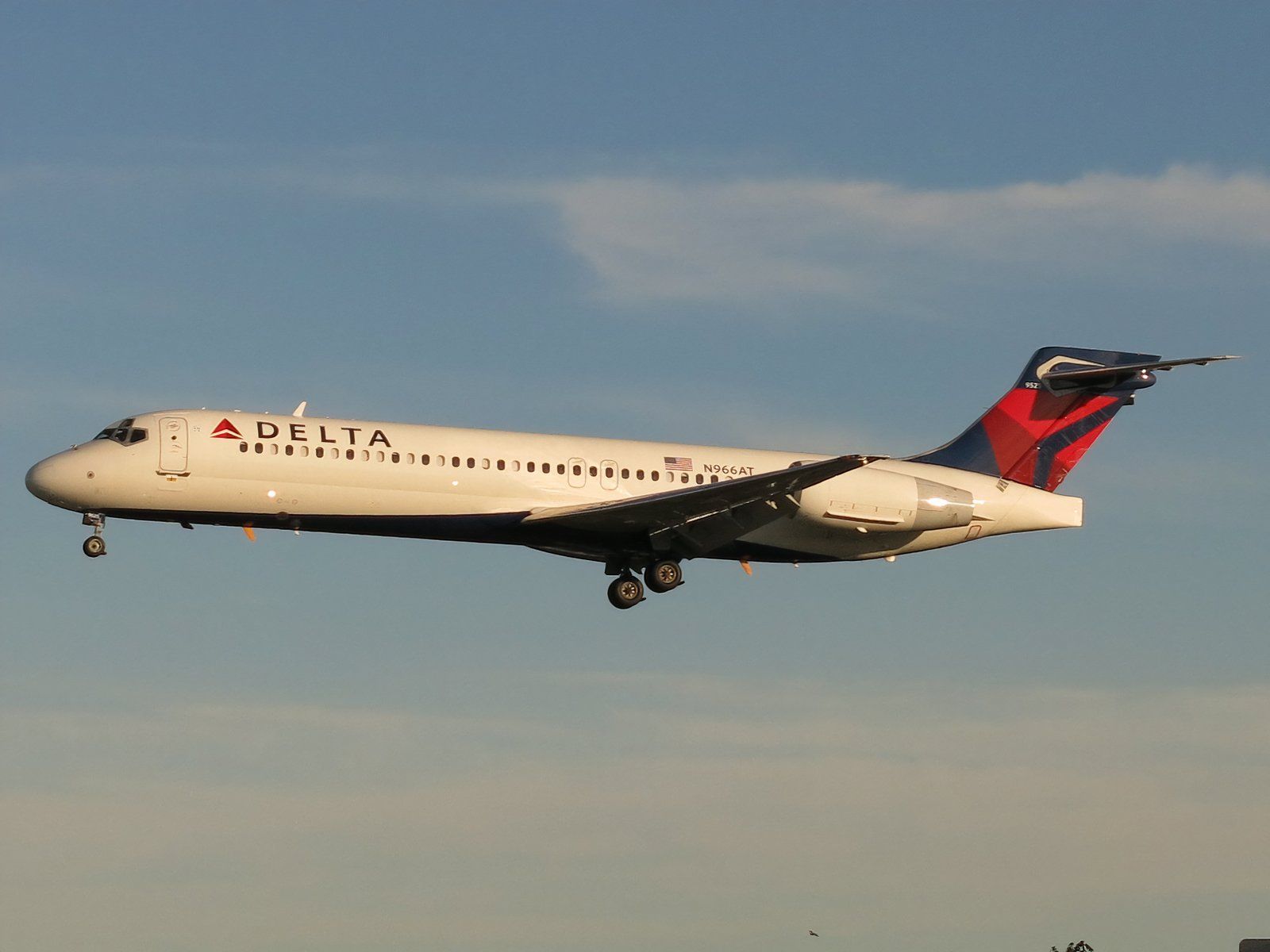
Because you have already been screened by US Customs and Border Protection (CBP) officers upon arrival in Atlanta, you go to your departure gate for the flight to South Carolina as if you were arriving on a domestic flight.
3 US border preclearance gives airlines more options
If your flight departs from an airport that does not have a United States preclearance facility, it can only land at airports in the United States that do. Because all major Canadian airports have US Border preclearance, airlines can fly from Toronto Pearson International Airport (YYZ) to LaGuardia Airport (LGA) in New York and Ronald Reagan Washington National Airport (DCA) near Washington, DC. Neither of these two large American airports has a United States border preclearance facility.
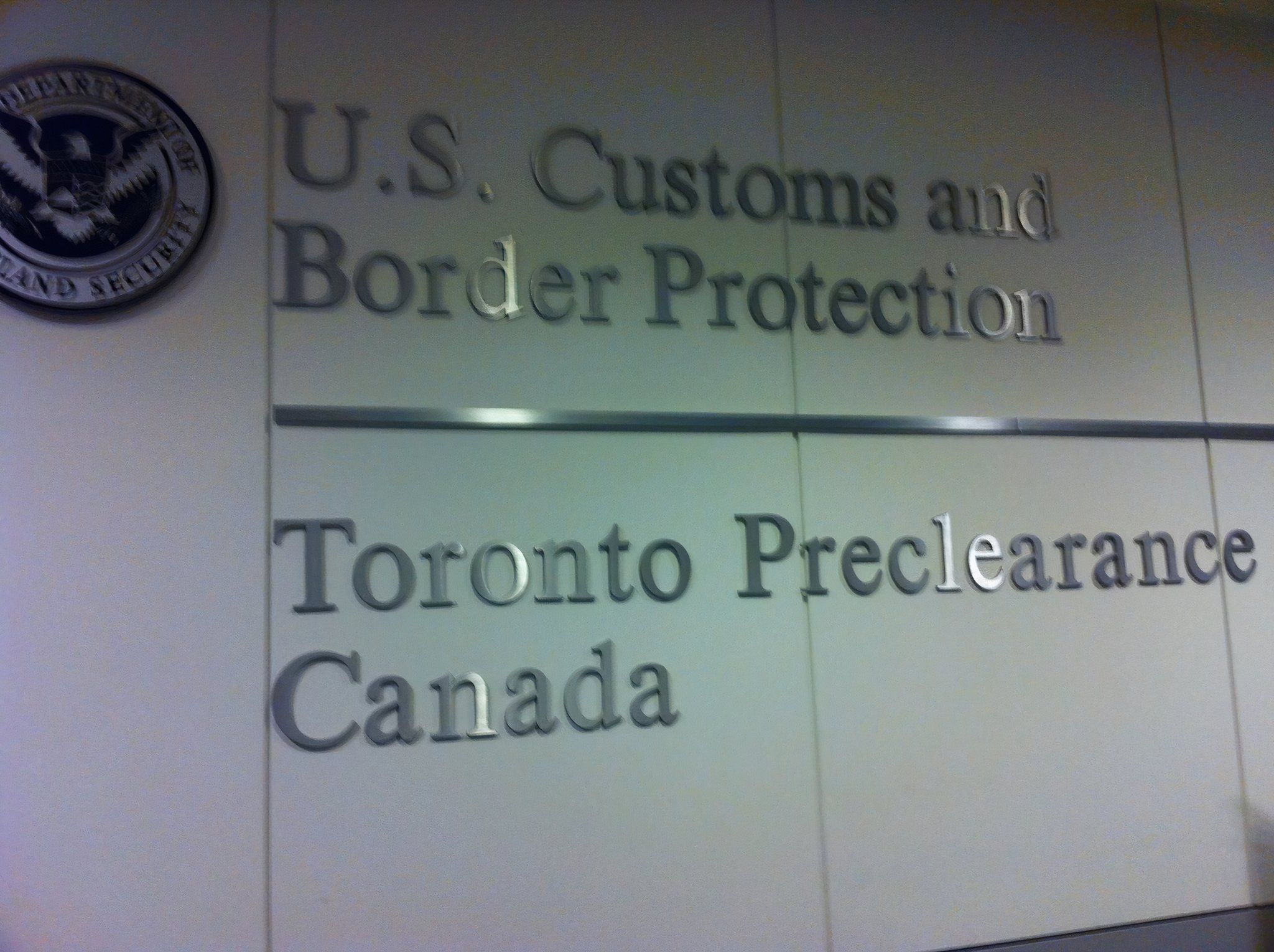
Without preclearance in Canada, the flight to New York must land at John F. Kennedy International Airport (JFK) or Newark Liberty International Airport (EWR) in New Jersey. The flights to the nation’s capital must land at Washington Dulles International Airport (IAD) in Virginia.
2 Tickets can be less expensive
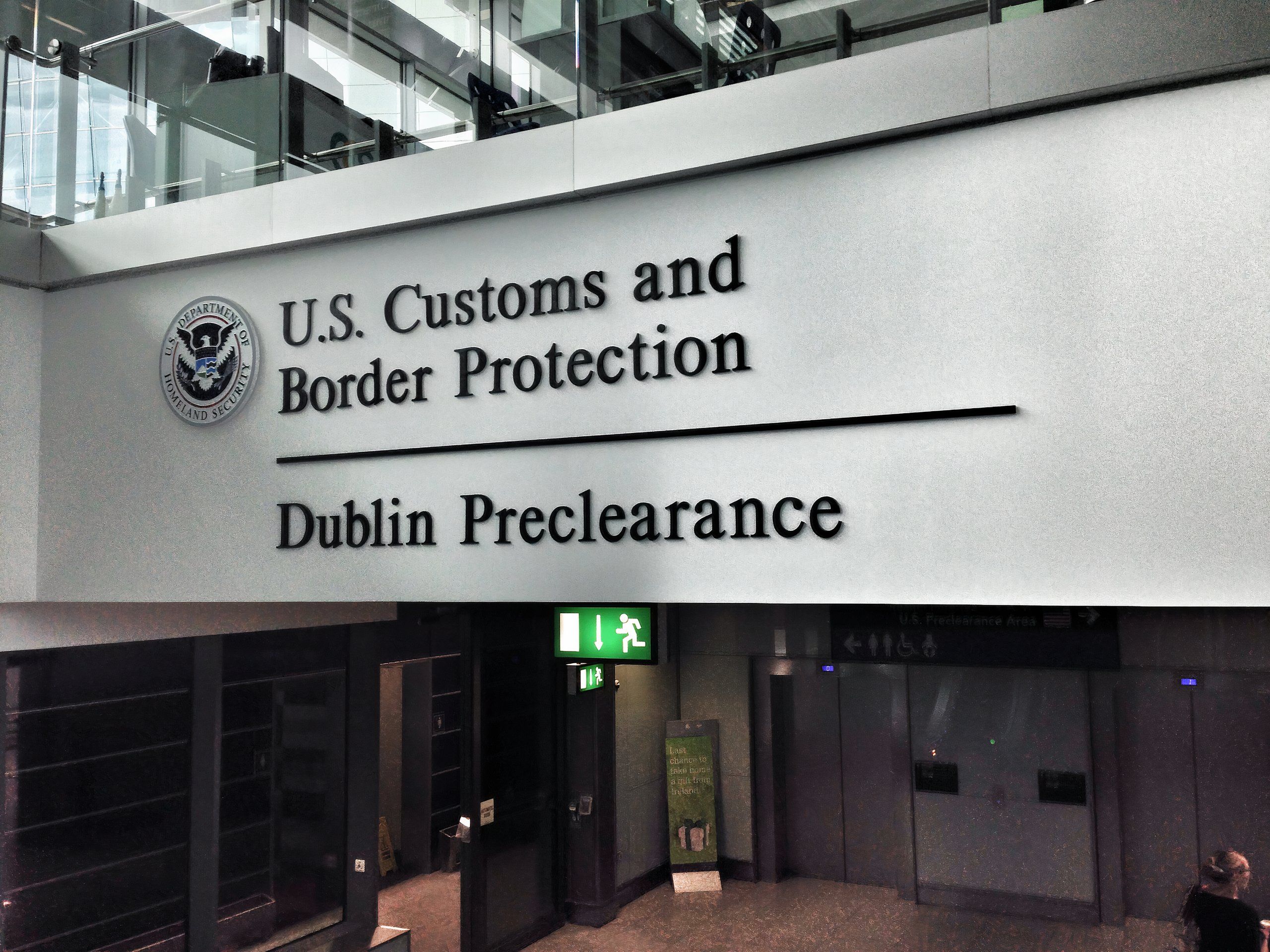
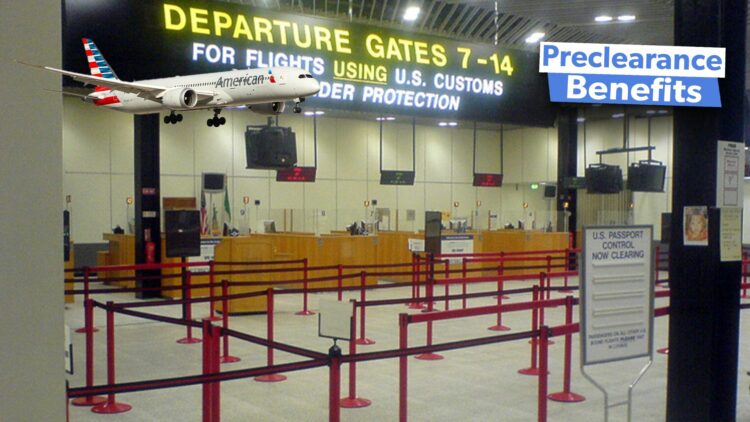
By having US border preclearance facilities, overseas airlines can sell tickets to the United States at a lower cost and fly to airports in the United States where no border and customs facilities exist. Landing slots at major international airports can be costly, but because passengers undergo US Border and Customs checks before arriving in the United States, airlines can use less expensive domestic gates and pass the savings on to customers.
1 No need to reroute flights due to bad weather
Airlines often have to reroute flights at certain times throughout the year due to weather events that prevent aircraft from landing at their desired airport. Usually, this leads to passengers being taken to the airport where the plane is supposed to land by bus. If it is an international arrival, finding a suitable airport with border and customs facilities could be a considerable distance away.
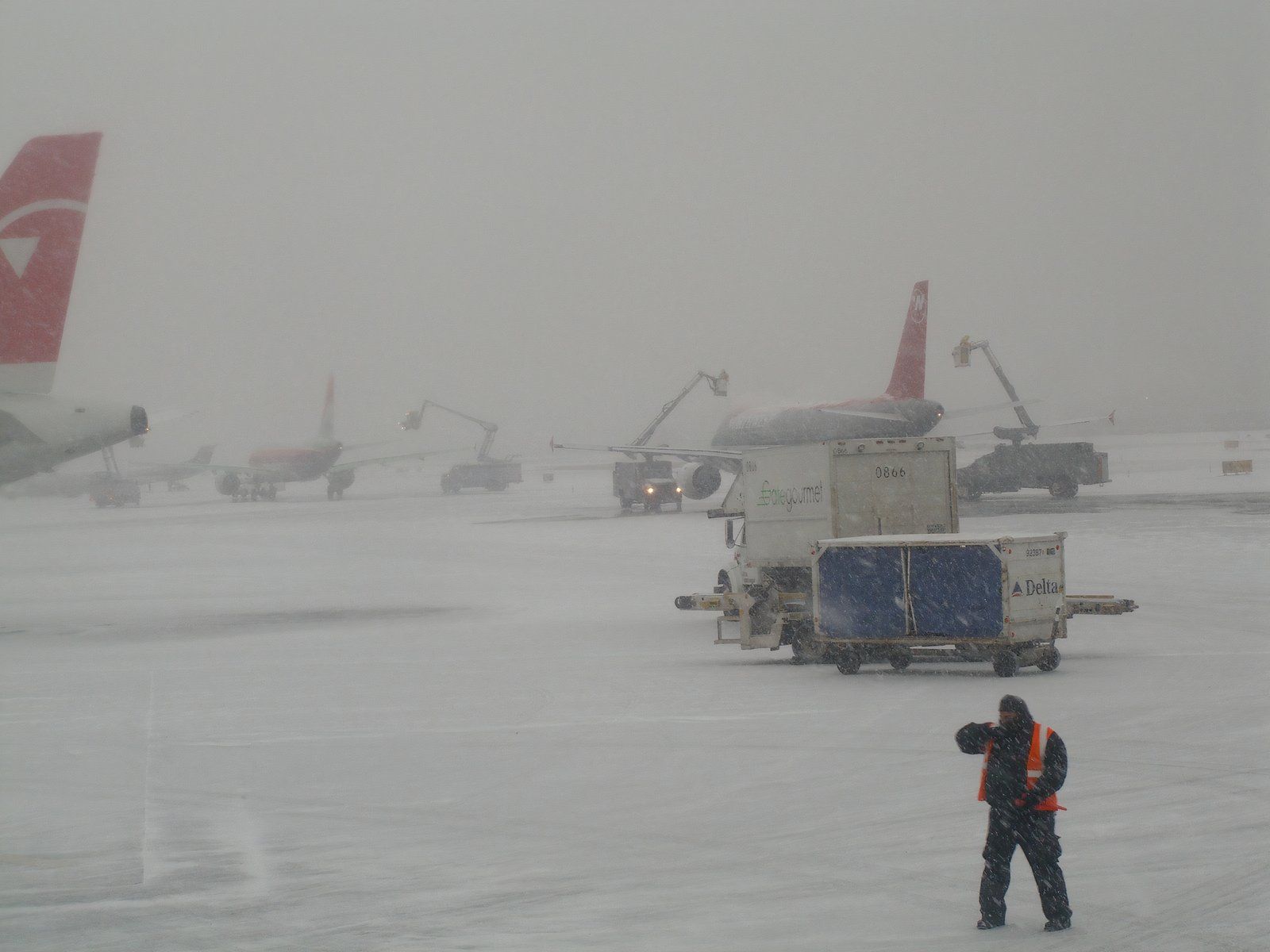
If all the passengers have already been cleared to enter the United States, the pilots can land the plane at any airport with a suitable runway.
The history of the United States border preclearance
In the late 1800s, the United States agreed with Canada to station immigration inspectors in four Canadian ports: Montreal, Quebec City, Halifax, Nova Scotia, and Saint John, New Brunswick. The idea was to screen prospective immigrants seeking to enter the United States from Canada. Prior to this, immigrants would arrive in Canada and cross over into the United States undocumented. Once a sufficient quarantine period was met, immigrants wanting to travel to the United States would be vetted and given documentation to cross a land border by train.
In the early 1950s, American Airlines asked the United States government to begin pre-clearing passengers at airports in Toronto and Calgary. The practice proved successful and further facilities were opened in Montreal, Vancouver, and Winnipeg. Today, the United States has preclearance facilities at all Canadian airports and ports serving the country.
The first United States preclearance facility to open in a country that did not have a land border with the United States was the British Overseas Territory of Bermuda. By the end of the 1970s, the United States had preclearance facilities in the Bahamas and Aruba.
Over six million people emigrated from Ireland to the United States during the 1800s, and today, 34.7 million people identify themselves as having Irish ancestry. With the arrival of the Jumbo Jet and affordable airfares, millions of Americans flocked to Ireland to discover their heritage. To help facilitate the boom in travel between the United States and the Emerald Isle, the United States and Ireland agreed to open a preclearance facility at Shannon Airport (SNN) in 2008 and a preclearance facility at Dublin Airport (DUB) in 1994.
 Related How Does US Preclearance Work & Which Airports Have It?
The system allows US-bound travelers to bypass the CBP and TSA process.
Today, the United States has prescreening border control facilities at the following airports:
Canada:
Calgary International Airport (YYC) Edmonton International Airport (YEG) Halifax Stanfield International Airport (YHZ) Montréal–Trudeau International Airport (YUL) Ottawa Macdonald–Cartier International Airport (YOW) Toronto Pearson International Airport (YYZ) Vancouver International Airport (YVR) Winnipeg James Armstrong Richardson International Airport (YWG)
Caribbean and Atlantic:
Aruba Queen Beatrix International Airport (AUA) Bahamas Lynden Pindling International Airport (NAS) in Nassau Bermuda L.F. Wade International Airport (BDA)
Ireland
Dublin Airport (DUB) Shannon Airport (SSN)
United Arab Emirates
Abu Dhabi International Airport (AUH)
The United States government is currently negotiating with governments in Europe and South America to open United States border preclearance facilities.
1:15
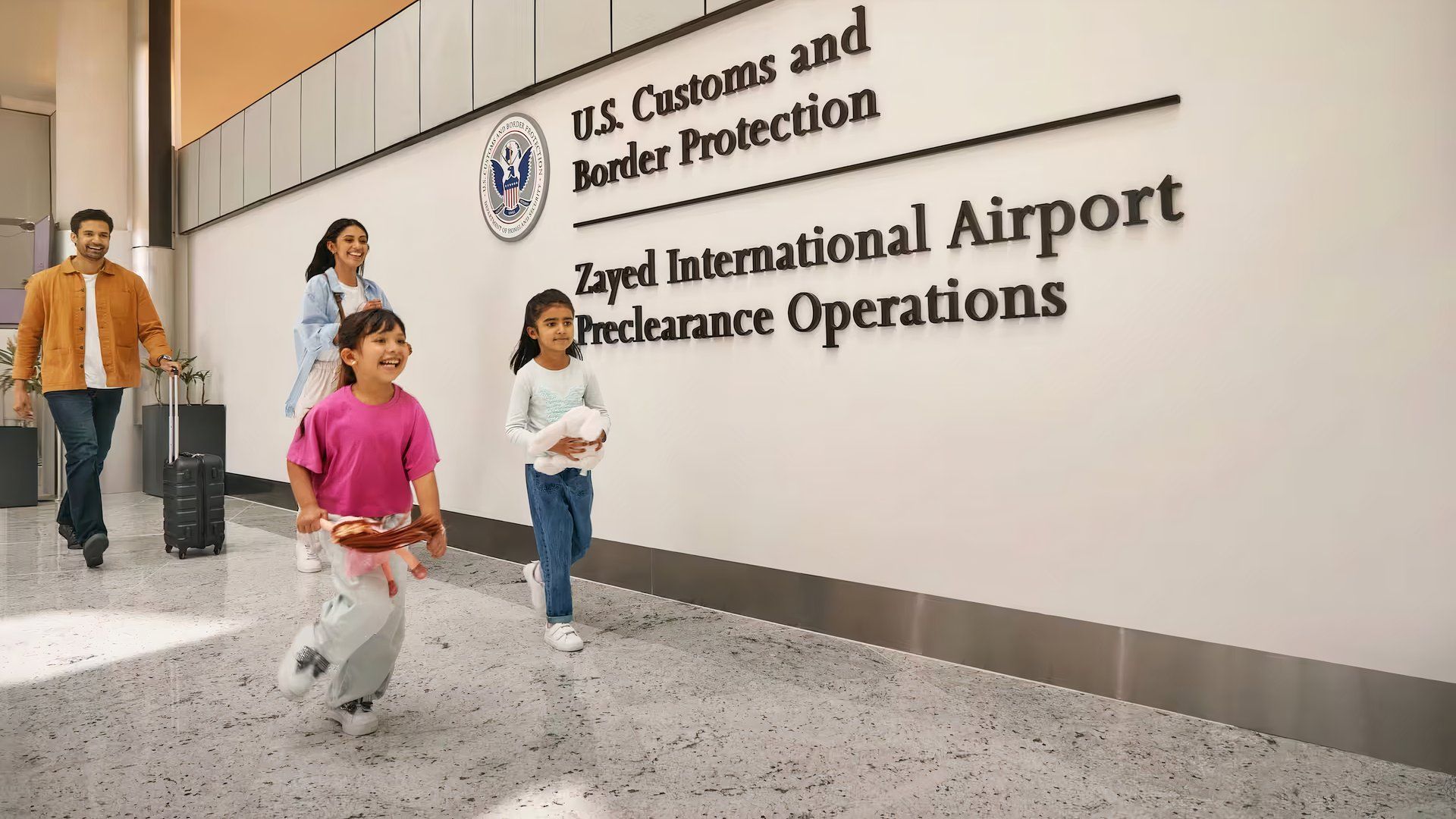 Related US Preclearance Now Available To Etihad Passengers In Abu Dhabi
Abu Dhabi Airports will transition to a US Preclearance facility at Zayed International Airport.
Source link : http://www.bing.com/news/apiclick.aspx?ref=FexRss&aid=&tid=67304cc281884df4bc2cb960e96665c7&url=https%3A%2F%2Fsimpleflying.com%2Fus-border-preclearance-benefits%2F&c=972628625169789878&mkt=en-us
Author :
Publish date : 2024-11-09 17:02:00
Copyright for syndicated content belongs to the linked Source.