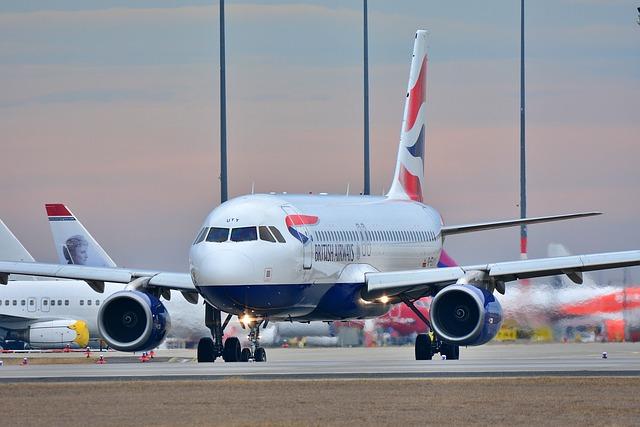
In response to the growing travel chaos caused by recent airspace restrictions, airlines are racing to enhance their Caribbean flight offerings in a bid to assist the tens of thousands of stranded travelers. The surge in demand for flights to popular holiday destinations has prompted carriers to reevaluate their schedules and routes, focusing on providing timely solutions to those affected. As travelers face prolonged delays and uncertainties, the aviation industry is under mounting pressure to implement rapid and effective measures. This article explores the current landscape of airline operations in the Caribbean, shedding light on the implications of the ongoing disruptions and the strategies being employed to accommodate an eager public yearning for sun-soaked escapes.
Airlines Respond to Surge in Demand for Caribbean Flights Amid Airspace Disruptions
As travel restrictions continue to disrupt normal air traffic, airlines are racing to implement additional Caribbean flights to meet the growing demand from stranded travelers. The unexpected surge in passenger requests has prompted major carriers to reconsider their original flight schedules, leading to an uptick in available seats across popular routes. Notable airlines, including American Airlines, JetBlue, and Delta, have announced plans to increase their capacity while introducing new destinations in the Caribbean to mitigate uncertainty for travelers.
Several airlines have unveiled immediate measures to facilitate access to key Caribbean islands, ensuring that vacation plans are not left in limbo. Among the changes are:
- Increased flight frequencies to high-demand locations such as Jamaica, Barbados, and the Bahamas.
- New direct routes from major U.S. cities to reduce layover times.
- Flexible booking policies to allow travelers to adapt their plans without incurring hefty fees.
Furthermore, airlines are prioritizing customer communication by providing real-time updates on flight availability, making it easier for affected travelers to rebook their trips. The collaboration between airlines and Caribbean tourism boards aims to ensure a quicker recovery for the tourism industry amid ongoing disruptions.
Operational Challenges and Strategic Adjustments as Travel Chaos Affects Thousands
The recent airspace restrictions have created a significant disruption in travel, leaving thousands of passengers stranded and forcing airlines to rethink their operational strategies. With travelers eager to reach their destinations, especially in high-demand areas like the Caribbean, airlines are working overtime to identify and introduce additional flights. This quick adaptation not only aims to alleviate the immediate chaos but also strengthens their positions in a competitive market. Key challenges they face include:
- Limited aircraft availability due to ongoing maintenance and staffing shortages.
- Navigating complex regulatory requirements associated with rapidly changing air traffic conditions.
- Managing scheduling conflicts and delays that impact connecting flights.
In response, many carriers are implementing strategic adjustments to their flight operations. These include collaborating with other airlines for shared capacity, re-evaluating existing routes for efficiency, and enhancing customer service protocols to manage increased inquiries and rebookings. A focus on communication is paramount, as airlines aim to keep travelers informed about their options. Airlines are rolling out promotional deals on Caribbean flights to incentivize quick bookings, capitalizing on the urgency of the situation:
| Airline | New Caribbean Routes | Start Date |
|---|---|---|
| Airline A | Miami to Barbados | October 10 |
| Airline B | Orlando to Nassau | October 12 |
| Airline C | New York to St. Lucia | October 15 |
Expert Recommendations for Enhanced Connectivity and Passenger Support in Caribbean Travel
In light of the recent airspace restrictions that have left many travelers stranded, experts suggest a multi-faceted approach to improve connectivity within the Caribbean. Airlines should prioritize establishing more direct flights to major islands, thereby minimizing layovers and reducing travel time. Partnerships between regional carriers could facilitate increased flight frequency, providing more options for passengers. This collaborative approach could enhance the overall travel experience while addressing unexpected disruptions, which have become more common in recent times. Moreover, leveraging technology such as real-time flight tracking and mobile updates can keep travelers informed and engaged during unexpected delays.
Additionally, enhancing passenger support services is critical for maintaining customer trust and satisfaction. Implementing dedicated support lines for affected travelers can assist with rebooking and other concerns in a timely manner. Providing clearer guidelines on compensation for delayed or canceled flights would also alleviate frustration among stranded passengers. Establishing an easy-to-navigate system that includes multi-language support, real-time chatbots, and enhanced social media outreach can empower travelers to access information quickly. A focus on improving the overall travel infrastructure, such as easier airport transfers and better amenities, will undoubtedly lead to a more resilient Caribbean travel network.
In Summary
As the demand for travel to the Caribbean continues to surge amidst ongoing airspace restrictions, airlines are racing to adapt their flight schedules in an effort to accommodate stranded travelers. The influx of passengers seeking sun-drenched getaways highlights the region’s enduring appeal, despite the current logistical challenges. Industry experts warn that while the addition of flights is a welcome development, travelers should remain vigilant and stay informed about potential changes and updates from airlines. The situation underscores the complexities of global travel in a post-pandemic world and the importance of adaptability for both airlines and passengers alike. With the promise of brighter skies ahead, the Caribbean remains a coveted destination, and the hope is that connectivity will soon be restored to meet the rising demand.