
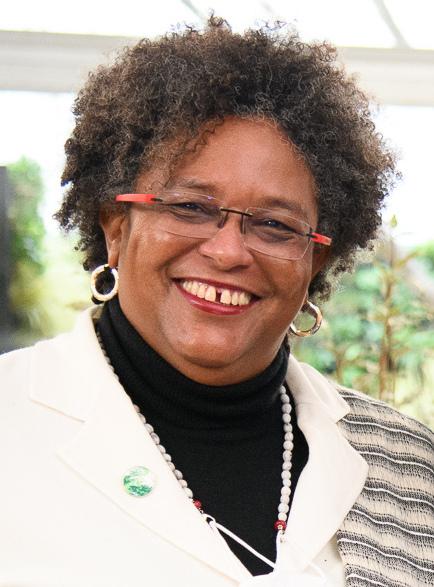
Barbados Prime Minister Advocates for Global Reparations Dialogue in London Speech
In a compelling address delivered in London, Barbados Prime Minister Mia Mottley has ignited a renewed conversation on reparations, urging the international community to confront the injustices of colonialism and slavery. Speaking at a high-profile event attended by world leaders, activists, and scholars, Mottley emphasized the critical need for a global dialogue on reparations, not only as a means of acknowledgment but as a pathway to healing and equity for descendants of enslaved individuals. Her remarks come amidst a heightened focus on social justice issues worldwide, reflecting a growing momentum for reparative justice in formerly colonized nations. As countries grapple with their colonial pasts and seek equitable futures, Mottley’s stance positions Barbados at the forefront of this transformative movement.
Barbados Prime Minister Calls for Urgent Global Reparations Discussion at London Address
The Prime Minister of Barbados delivered a powerful address in London, urging the international community to engage in a comprehensive dialogue on reparations. Emphasizing the historical injustices stemming from colonialism and slavery, she articulated the need for acknowledgment, restitution, and healing for affected nations and communities. Highlighting the long-lasting impacts of these historical events, she argued that reparations are not merely a matter of financial compensation but a crucial step toward meaningful reconciliation and equality. The Prime Minister inspired the audience with a vision of a collaborative global effort where nations confront their colonial legacies.
In her speech, she outlined key elements that should form the backbone of the reparations discussion, including:
- Acknowledgment of Historical Wrongs: Recognizing the trauma inflicted by colonial practices.
- Fiscal Justice: Developing frameworks for compensation that considers both economic and social elements.
- Education and Awareness: Promoting historical education to foster understanding among future generations.
- Global Solidarity: Encouraging nations to unite and share the responsibility of addressing these injustices.
She called for a proactive stance from world leaders, urging them to consider reparations as a fundamental step towards securing justice and promoting sustainable development in formerly colonized nations.
Addressing Historical Injustices: Key Points from Barbados Leader’s Speech on Reparations
In a powerful address aimed at igniting a global conversation about reparations, the Prime Minister of Barbados laid out a compelling case for acknowledging and rectifying historical injustices. Central to her speech was the need for a cooperative international framework that addresses the lingering effects of colonialism and slavery. She emphasized the importance of recognizing the full scope of these injustices, advocating for reparative measures not only as a matter of historical accountability but as a moral imperative for nations that have benefitted from these past atrocities. She pointed out that addressing these grievances could foster better international relations and promote genuine reconciliation.
The Prime Minister highlighted several key points that underscored her message:
- The Need for Historical Recognition: Stating that without true acknowledgment of the past, meaningful reparations cannot be established.
- Economic Impacts of Colonialism: Drawing attention to how the historic exploitation has perpetuated economic disparities that continue to affect Caribbean nations.
- Global Unity in Addressing Injustices: Urging a commitment from world leaders to unite and engage in productive dialogue that considers various approaches to reparations.
Moreover, the Prime Minister called for the establishment of a framework to facilitate reparations that could benefit not only affected individuals but also foster socio-economic development within their communities. She asserted that countries that have historically profited from such injustices should take proactive steps to support education, health care, and infrastructural improvements in nations impacted by colonial rule. This bold vision for reparations represents a vital step toward rebuilding trust and healing the scars of the past.
Recommendations for Action: How Global Leaders Can Respond to the Call for Reparations
In light of the urgent call for reparations articulated by the Prime Minister of Barbados, global leaders must engage in a proactive dialogue on this pressing issue. This dialogue should encompass a variety of comprehensive strategies aimed at fostering understanding and accountability among nations that have historically benefited from colonial exploitation. To facilitate this discussion, leaders can:
- Engage Stakeholders: Create platforms for discussions that include not only government representatives but also civil society, victim advocacy groups, economists, and historians.
- Conduct Impact Assessments: Implement studies to accurately assess the long-term effects of colonialism on affected nations, providing a factual basis for reparative measures.
- Foster International Cooperation: Encourage multilateral agreements to share resources and knowledge, making the reparations process a collective effort rather than a unilateral obligation.
- Promote Educational Initiatives: Invest in educational programs that address historical injustices and the significance of reparations to foster a more informed global citizenry.
Moreover, establishing a transparent and equitable framework for reparations is essential. This framework should prioritize the needs of impacted communities while ensuring that the distribution of reparative resources is managed efficiently. A proposed model could look like:
| Category | Proposed Action | Expected Outcomes |
|---|---|---|
| Financial Support | Direct reparations or investment in community development projects | Economic growth and poverty alleviation |
| Cultural Restoration | Funding for heritage preservation and promoting cultural education | Strengthened cultural identity and community pride |
| Policy Reforms | Creation of policies prioritizing marginalized communities | Increased equitable access to opportunities and resources |
In Summary
In conclusion, Prime Minister Mia Mottley’s address in London underscores a pivotal moment in the discourse on global reparations. By advocating for a comprehensive and inclusive dialogue, Mottley not only highlighted the historical injustices faced by Caribbean nations but also called on the international community to acknowledge its role in addressing these legacies. As the conversation around reparations continues to gain momentum, her words resonate beyond the confines of political rhetoric, sparking critical discussions on justice, equity, and reparative measures. The implications of this dialogue could set a precedent for future initiatives aimed at rectifying historic wrongs, making it a significant chapter in the ongoing pursuit of social justice on a global scale. As nations reflect on their colonial pasts and the debts they owe, Mottley’s appeal may very well serve as a catalyst for action, inspiring a more equitable and reconciliatory approach to international relations.











