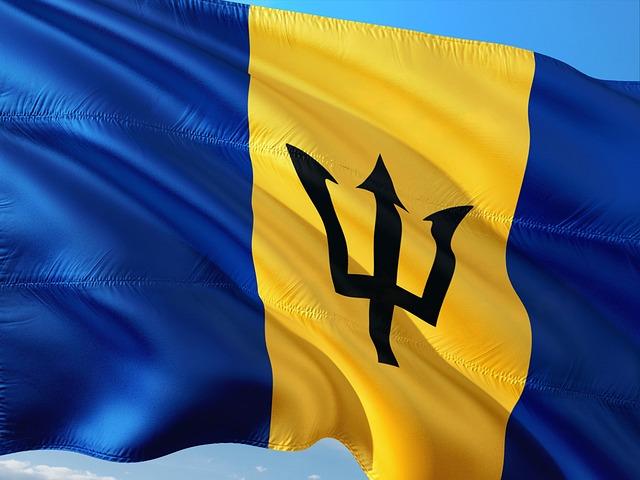
Barbados officially transitioned to a republic on November 30, 2021, marking a historic moment as the Caribbean nation severed its ties with the British monarchy. The change, which culminated in the inauguration of the country’s first president, Sandra Mason, represents a significant shift in Barbados’ governance and identity, as it embraces full sovereignty over its political future. This landmark decision not only underscores the island’s commitment to self-determination but also reflects a broader trend in the region as former colonies seek to redefine their roles and narratives post-colonialism. As Barbados charts its new course, the implications of this transition resonate beyond its shores, sparking discussions about the evolving relationship between the Caribbean and its colonial past.
Barbados Embraces Republican Status and Charts a New Course
In a historic move, Barbados has officially transitioned to a republic, marking the end of its status as a constitutional monarchy under the British crown. This decision, which was ratified in the political sphere, has been embraced by many Barbadians who view it as a bold step toward self-governance and the affirmation of national identity. The declaration was ceremoniously enacted with a presidential inauguration, highlighting the commencement of a new chapter for the island nation. A significant aspect of this transition is the emphasis on promoting local culture and leadership, as well as fostering a closer connection between the government and the Barbadian people.
The shift towards republicanism is not merely symbolic; it is expected to influence several areas of governance and society in Barbados. Key objectives set forth by the newly established government include:
- Strengthening Democratic Institutions: Ensuring that political systems are more representative and accountable to the citizens.
- Promoting Economic Independence: Encouraging local entrepreneurship and reducing reliance on foreign investment.
- Enhancing Educational Initiatives: Focusing on education that reflects Caribbean heritage and prepares future generations.
As Barbados forges its path forward, the commitment to inclusivity and empowerment will undoubtedly play a crucial role in shaping the nation’s future.
Analyzing the Impact on National Identity and Governance
The transition of Barbados from a constitutional monarchy to a republic marks a significant evolution in the island’s national identity. By severing ties with the British monarchy, Barbadians are embracing a new narrative centered around self-determination and cultural sovereignty. This historic shift not only allows for greater representation of local values but also fosters a renewed sense of national pride among citizens. The move redefines the relationship between the people and the state, highlighting the importance of ascending to a governance model that reflects their unique heritage and aspirations.
In terms of governance, the change opens up multiple avenues for political restructuring and empowerment. A republic will enable Barbados to establish its own head of state, a role that can be filled by a citizen, thereby enhancing public trust and involvement in leadership. Key aspects of this transformation include:
- Decentralization of Power: Greater autonomy to local governing bodies.
- Engagement with Citizens: Increased opportunities for public engagement in governance.
- Cultural Representation: Legislative frameworks that prioritize Barbadian culture and heritage.
As the nation forges ahead, it will necessitate a reevaluation of existing governance structures, ensuring they align closely with the democratic principles that reflect the will and aspirations of its people.
Future Prospects for Barbados: Challenges and Opportunities Ahead
The transformation of Barbados into a republic marks a significant milestone in the nation’s history, presenting both challenges and opportunities as it navigates the post-monarchial landscape. With this change, the country can now redefine its governance structure, allowing for greater autonomy and the potential to establish a national identity that resonates more closely with its citizens. However, this transition also brings about potential hurdles, such as the need to build a cohesive political framework and ensure that institutions are capable of upholding democracy and protecting the rights of all Barbadians. The country’s leaders must focus on enhancing civic engagement and fostering a sense of unity among its citizens.
As Barbados embarks on this new chapter, several key areas emerge that could shape its future. The opportunity to embrace renewable energy and sustainable tourism presents a path toward economic resilience, making the island less reliant on traditional sectors while attracting eco-conscious travelers. Additionally, the potential for expanding its global partnerships can lead to increased investments in technology and education. However, the obstacles of climate change and managing economic disparities remain prevalent. To address these issues effectively, strategic planning and innovative policies will be essential to steer the nation toward a prosperous and inclusive future.
In Retrospect
In conclusion, Barbados’ transition to a republic marks a significant milestone in the nation’s journey towards full sovereignty and self-determination. By officially severing ties with the British monarchy, the island not only embraces a new chapter in its political evolution but also reflects a broader trend among former colonies re-evaluating their historical ties. As Barbados steps forward under the leadership of its first president, the implications of this moment extend beyond its shores, resonating with nations around the globe that are navigating their own paths of identity and governance. The world will be watching as Barbados embarks on this unprecedented journey, eager to see how it will shape its future and inspire others in an era where the call for independence and national pride continues to gather momentum.