
Exploring the Mysteries of the Bermuda Triangle: What We Know and What Remains Elusive
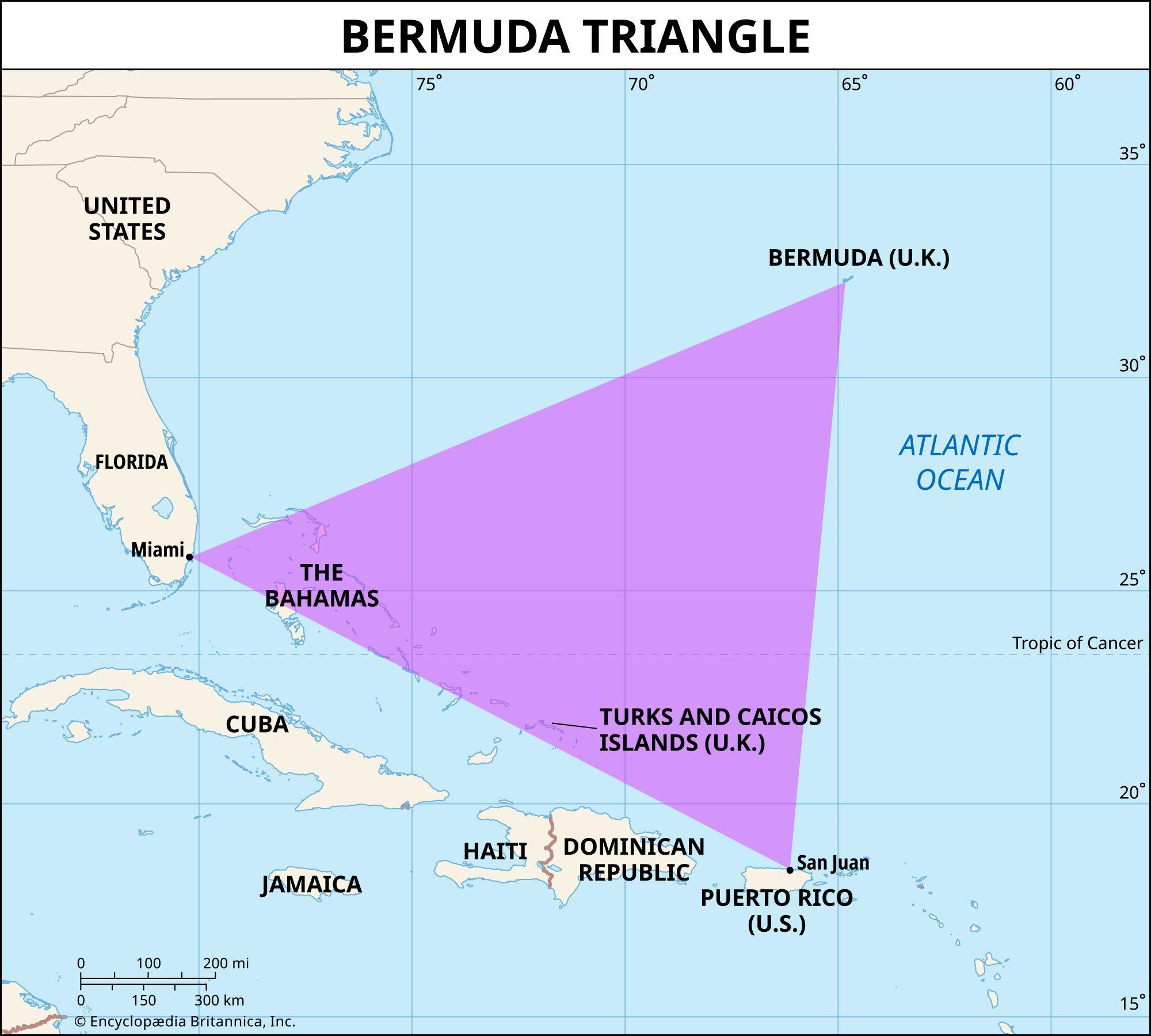
The Bermuda Triangle, a region bounded by Miami, Bermuda, and Puerto Rico, has captivated the imaginations of adventurers, scientists, and conspiracy theorists alike for decades. Known for a series of enigmatic disappearances of ships and aircraft, this stretch of ocean has become a focal point for a multitude of theories, ranging from the plausible to the fantastical. In this exploration, we delve into what is known about the Bermuda Triangle, as detailed by authoritative sources like Britannica, while also addressing the many theories and speculations that continue to cloud our understanding of this maritime mystery. As we navigate through the facts, myths, and ongoing debates, we aim to separate reality from fiction in one of the world’s most discussed enigma. Join us as we unravel the truth behind the Bermuda Triangle.
Exploring the Mysteries of the Bermuda Triangle: What Science Reveals
The Bermuda Triangle, an enigmatic section of the North Atlantic Ocean, continues to captivate both the public imagination and scientific inquiry. Despite its fame for unexplained disappearances and bizarre phenomena, scientific perspectives have begun to shed light on the realities of this curious region. Through rigorous study, researchers have identified several plausible explanations for the incidents reported over the years, including unpredictable weather patterns, the presence of underwater features, and high traffic levels in one of the world’s busiest shipping lanes. Here are a few investigations backed by science:
- Environmental Factors: Storm systems that can develop rapidly and create dangerous sea conditions.
- Geological Features: Deep-sea trenches and underwater volcanoes may contribute to local disturbances.
- Human Error: Navigational confusion and pilot error have played roles in many incidents.
Despite the advancements in understanding, mysteries linger in the Bermuda Triangle, as not every case is easily explained. Many enthusiasts continue to theorize about the area’s unique properties, claiming connections to phenomena such as magnetic anomalies and even extraterrestrial activities. To put this into perspective, the following table outlines notable incidents associated with the Bermuda Triangle and their potential explanations:
| Incident | Date | Explanation |
|---|---|---|
| Flight 19 | December 5, 1945 | Pilot error and weather conditions |
| USS Cyclops | March 1918 | Severe weather and overloading |
| Mary Celeste | December 1872 | Mysterious abandonment, possible piracy |
Unraveling Myths and Misconceptions: The Truth Behind Disappearances
The Bermuda Triangle, a region in the western part of the North Atlantic Ocean, has long been enveloped in myths and debated over its mysterious reputation. Contrary to popular belief, not all vessels and aircraft that traverse this area vanish without a trace. Statistical analysis indicates that the number of incidents in the Bermuda Triangle is actually on par with or lower than other heavily traveled regions of the world. This suggests that human error, natural phenomena, and environmental factors contribute more significantly to maritime and aerial mishaps than any supposed paranormal activity. Some of the alleged causes for these occurrences include:
- Severe Weather: Sudden storms can create hazardous conditions.
- Human Error: Navigation mistakes and miscalculations are common factors.
- Geological Features: The underwater topography can lead to unpredictable currents.
Furthermore, sensationalized stories and media portrayals have distorted public perception, leading many to view the Bermuda Triangle as a sinister enigma. In reality, the majority of boats and planes that go missing can often be accounted for through documented cases. A review of reported incidents in the area reveals a pattern more akin to routine maritime challenges than to paranormal eliminations. The following table illustrates some notable incidents alongside their explanations:
| Incident | Year | Explanation |
|---|---|---|
| USS Cyclops | 1918 | Loss attributed to overloaded ship and severe weather. |
| Flight 19 | [1945[1945[1945[1945 | Navigation errors led to fuel depletion and subsequent crash. |
| S.S. Marine Sulphur Queen | 1963 | The ship sank due to a suspected hull failure. |
Understanding the Risks: Navigational Safety in the Bermuda Triangle
The Bermuda Triangle, a region notorious for its mysterious disappearances of ships and aircraft, raises significant concerns regarding navigational safety. This area, defined broadly by points in Miami, Bermuda, and Puerto Rico, has a reputation that has instilled fear among sailors and aviators alike. Navigational risks in this zone can stem from a variety of factors, including unpredictable weather patterns, the presence of underwater features like the Puerto Rico Trench, and human error. Navigators must remain vigilant, utilizing advanced technology, including GPS and radar, to maintain situational awareness and avoid potential hazards.
Despite extensive investigation, the true causes behind the incidents in the Bermuda Triangle remain elusive. Experts often cite phenomena such as compass variation or rogue waves as possible explanations, but concrete conclusions evade researchers. Notable cases illustrate these uncertainties, as missing vessels have sometimes reemerged under inexplicable circumstances. To better understand the prevailing challenges of this notorious maritime zone, consider the following table that highlights various incidents alongside their outcomes:
| Incident | Date | Status |
|---|---|---|
| Flight 19 | December 5, 1945 | Missing |
| USS Cyclops | March 1918 | Missing |
| SS Marine Sulphur Queen | February 1963 | Missing |
| Star Tiger | January 30, 1948 | Missing |
Wrapping Up
In conclusion, the Bermuda Triangle continues to captivate the public’s imagination, blending elements of mystery with the rigors of scientific inquiry. As we peel back the layers of folklore that cloud its reputation, we uncover a mix of known navigational hazards, human error, and environmental factors that contribute to the incidents reported within this enigmatic region. While definitive explanations are still elusive, advancements in technology and ongoing research promise to shed more light on the phenomena associated with the Triangle. As this story evolves, it serves as a stark reminder of the complexities of our natural world and the enduring allure of maritime mystery. For now, the Bermuda Triangle remains both a cautionary tale and a testament to human curiosity-a paradox wrapped in the depths of the Atlantic.











