In October, the HARS Aviation Museum is featuring maritime surveillance during its October Tarmac Days weekend.
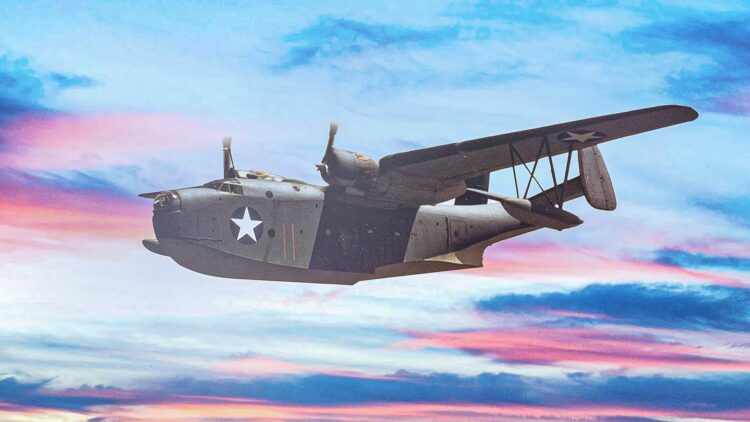
However, one Allied flying boat from the era that tends to get lost in the shuffle is the Martin PBM Mariner. Indeed, I got the inspiration to write about it after receiving an email from The Armory Life featuring an article with a blurb referring to that waterborne warbird as “WWII’s Forgotten Gigantic Amphibious Bomber.” That recalled memories of my childhood fascination with the infamous Bermuda Triangle. Pity the poor PBM because it’s also the comparatively forgotten aircraft in the most famous Bermuda Triangle disappearance incident of them all: the Flight 19 mystery. On December 5, 1945 (a mere four months after WWII ended and in the infancy of the Cold War), this aircraft vanished, never to be found again. Simple Flying now gives the Mariner its proper moment in the spotlight, looking at both its triumphs and its tragedies.
 Related The Mystery Of Aviation And The Bermuda Triangle
PBM Mariner early history and specifications
Before we discuss the Mariner’s unwitting role as a victim in the Bermuda Triangle mystery, it behooves us to talk about the plane’s big-picture history.
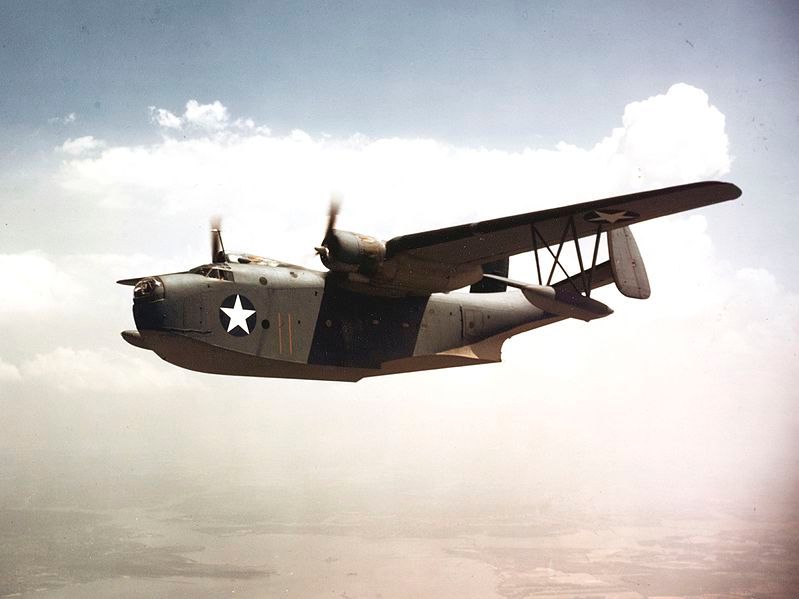
The PBM Mariner made its maiden flight on February 18, 1938, and entered official operational service with the US Navy in September 1940, followed by the US Coast Guard in the first half of 1943. The plane was designed and manufactured by the Glenn L. Martin Company (AKA The Martin Company) with the intent of competing with the famous Catalina for the Navy contract. Ironically, it ended up being ordered as a replacement for the PBY!
The Martin Company
merged with the American-Marietta Corporation in 1961 to form the Martin Marietta Corporation. Then, in 1995, Martin-Marietta merged with Lockheed to form the aerospace giant we now know and love as
Lockheed Martin
.
A total of sixteen Mariner variants were made, including prototypes. Originally a pure seaplane, the last variant of the PBM built for the US Navy, the model -5A, introduced amphibious capability to the type and became the largest amphibian ever built. Just how big? As Richard Johnson, the author of The Armory Life, notes:
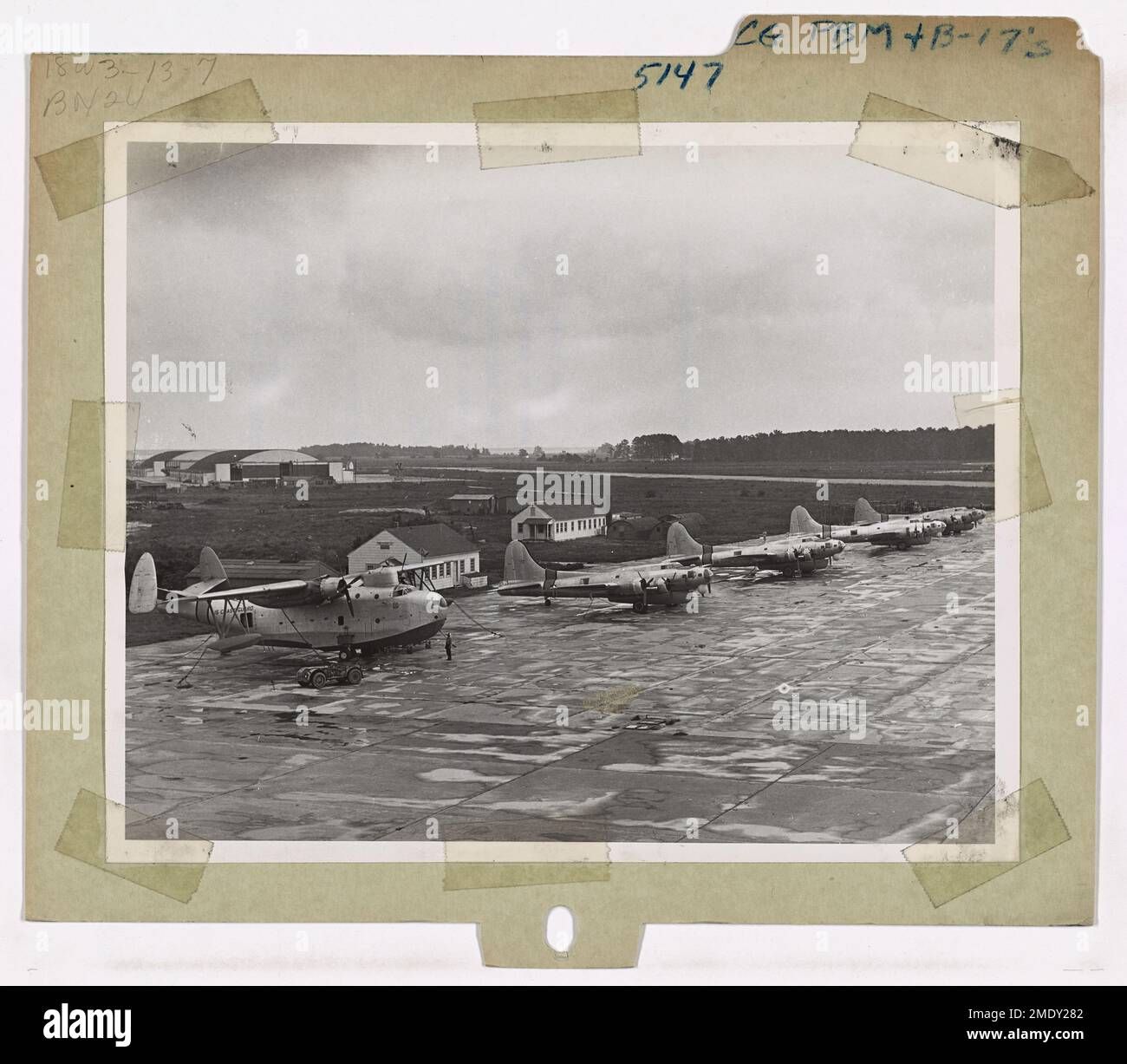
“Employed by the U.S. Navy as a patrol bomber in World War II and the Korean War, these planes were taller, longer and had a broader wingspan than the
B-17 Flying Fortress
. It’s hard to appreciate how much bigger the PBM was until you saw one side-by-side with a B-17…Like the B-17 heavy bomber, the PBM was festooned with .50-caliber machine guns and could carry a formidable payload over long distances. In fact, with a similar payload, the PBM had longer legs than the Fortress. And if needed, the PBM could fly for hours on a single engine.”
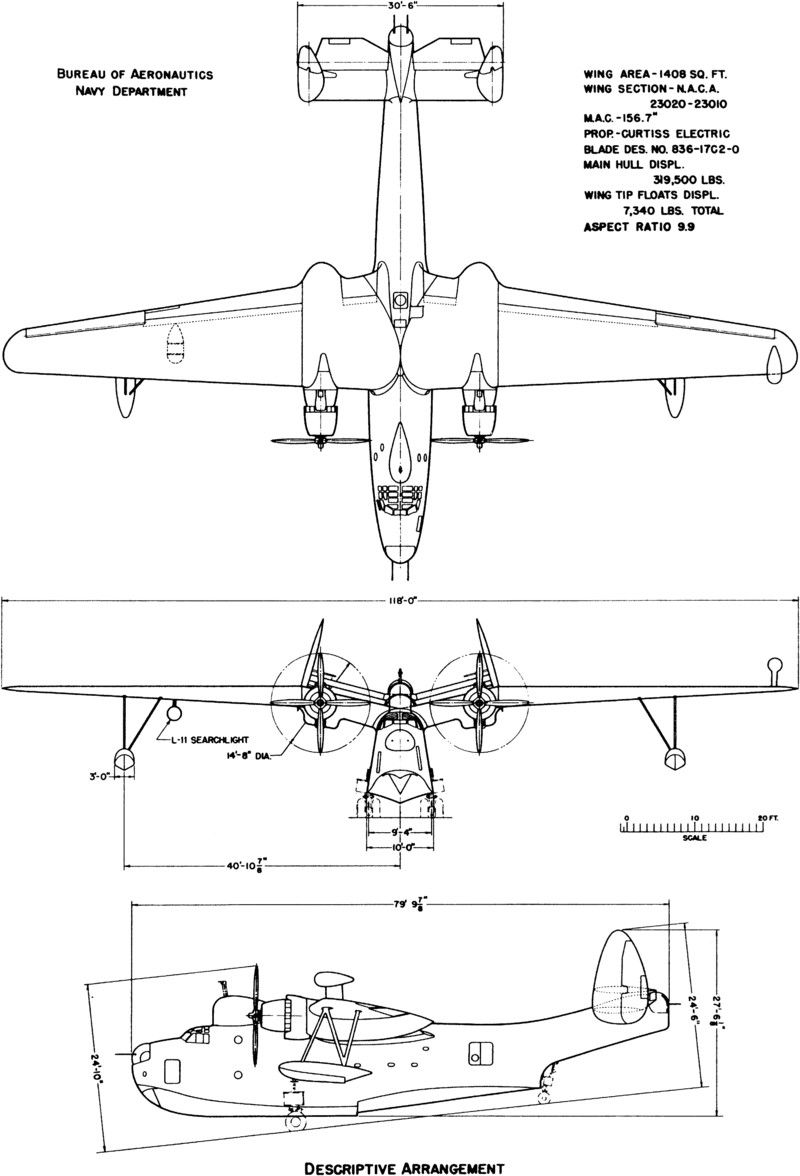
As for some actual numbers behind that statement, here are the specs of the PBM-1 variant:
Crew:
7
Fuselage Length:
79 ft 10 in (23.50 m)
Wingspan:
118 ft 0 in (36 m)
Height:
27 ft 6 in (5.33 m)
Wing Area:
1,408 sq ft (131 m2)
Empty Weight:
33,175 lb (15,048 kg)
Gross Weight:
56,000 lb (25,425 kg)
Powerplant:
2 × Wright R-2600-6 14-cylinder radial engines, 1,600 hp (1,194 kW) each
Max Airspeed:
205 mph (330 km/h, 178 kn)
Range:
3,000 mi (4,800 km, 2,600 NM)
Service Ceiling:
19,800 ft (6,040 m)
Rate of Climb:
800 ft/min (4.1 m/s)
Armament:
Guns: 8 × .50 caliber (12.7 mm) M2 (“Ma Deuce”) Browning machine guns (two each in nose, dorsal and tail turrets, one each in blisters amidships) Bombs: 4,000 lb (1,800 kg) of bombs or depth charges or 2 × Mark 13 torpedoes
Operational history (in brief)
Though nowhere nearly as famous as the Catalina, the Mariner proved quite successful in WWII against Nazi Germany and Imperial Japan alike. To cite Mr Johnson again:
“While depth charges were more frequently used against German U-boats and other Axis submarines, PBMs have numerous documented uses of the M2 machine guns against enemy subs. Over in the Pacific Theater, PBMs downed multiple Japanese fighters that mistook the PBM for an easy target…During the war, PBM crews were credited with sinking 10 German U-boats, which amounted to slightly more than a third of all U-boats sunk by U.S. patrol aircraft.”
The Mariner continued to serve in the US Navy during the Korean War as a long-range patrol craft. The warbirds were retired by the USN and USCG in 1956 and 1958, respectively; the Navy chose the Martin P5M Marlin as the replacement, while the “Coasties” went with the P5M Marlin and the Grumman HU-16 Albatross.
Other users of the PBM included:
Argentine Navy (Armada de la República Argentina [ARA]): Nine were purchased in the 1950s, and they were retired in May 1962. Royal Australian Air Force (RAAF); 12 received from the British Royal Air Force (RAF), years of service indeterminate. Netherland Naval Aviation Service (Marineluchtvaartdienst [MLD]); 15 used between 1955 and 1960. Panamanian National Guard (Guarda Nacional); 5 acquired, years of service indeterminate. United Kingdom RAF: 32 were acquired but never used operationally; 12 were transferred to the RAAF (as already noted), and others returned to the US Navy. The National Navy of Uruguay (Armada Nacional del Uruguay) purchased three in 1956 and retired them in February 1964, thus becoming the last governmental entity to use the warbird.
The Mariner and the Flight 19 Bermuda Triangle mystery
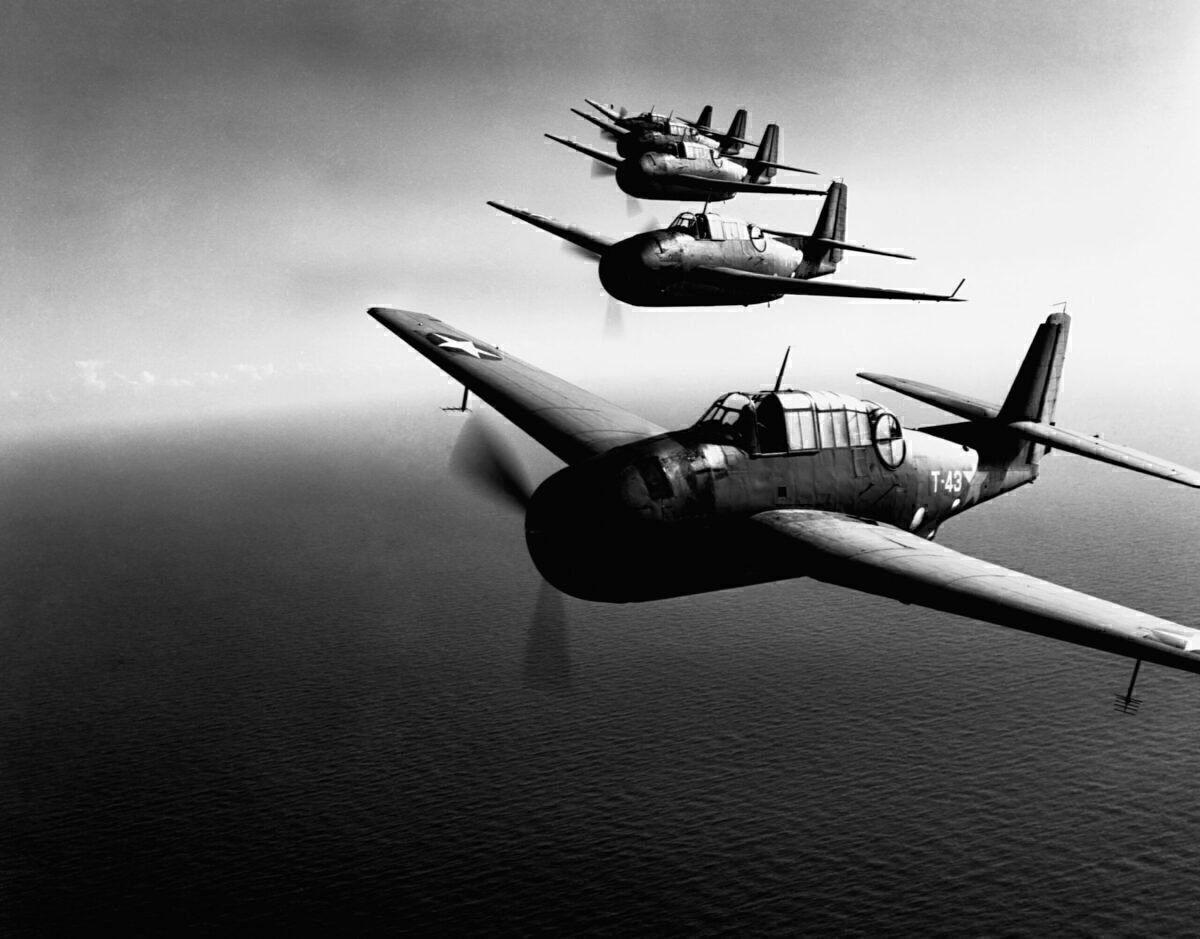
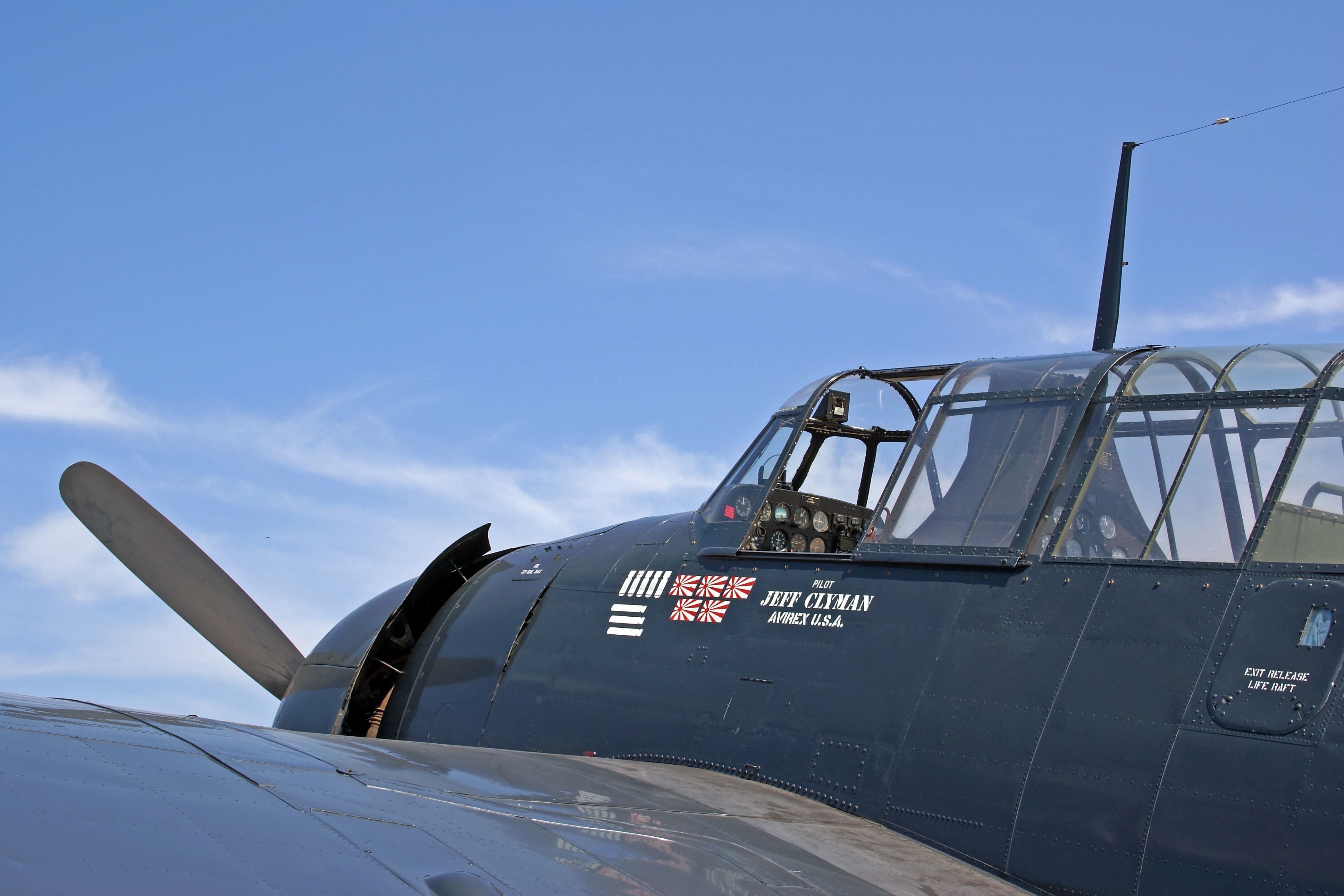
Flight 19 involved a training flight of five Grumman TBF Avenger torpedo bombers under the command of Lieutenant Charles Taylor that disappeared without a trace on December 5, 1945. For more details on the Flight 19 story, you can read the article by Simple Flying Managing Editor Joanna Bailey, which I linked to after the second paragraph of this article, as well as this piece by Simple Flying’s Aaron Crider:
 Related Bermuda Triangle Mystery: The Story Of Flight 19
The disappearance of six aircraft and 27 crew members was the beginning of the Bermuda Triangle Mystery.
What sometimes gets lost in the shuffle is that a PBM Mariner sent to search for the missing Avengers also disappeared and remains unaccounted for to this day, thus compounding the enduring nature of the mystery.
At 19:27 local time that evening, a PBM-5 bearing Naval Bureau Number (BuNo) 59225 with 13 crewmen and laden with rescue equipment aboard took off from Naval Air Station (NAS) Banana River (now Patrick Space Force Base). Three minutes after takeoff, BuNo 59225’s crew called in a routine radio message. Seventeen minutes later, it had disappeared from the radar and was never heard from again.
It should be noted that, unlike the missing torpedo bombers, a vessel in the area reported seeing a fireball and found an oil slick, which indicated a strong possibility that the Mariner had suffered a mid-air explosion. Yet, just like with the TBMs, no remains of the crew or aircraft were found. As the Naval History and Heritage Command version of the story tells it:
“Now, six aircraft with personnel had vanished. For five days, Coast Guard, Navy, and naval aviation personnel searched extensively in more than 250,000 square miles of Atlantic and Gulf waters, but nothing was found—no aviators, wreckage, life raft, or even an oil slick. Nothing. The Navy launched an investigation into the incident, but nothing conclusive was found…Fourteen men were lost as a result of the Flight 19 tragedy. Thirteen more were lost from the PBM Mariner attempted rescue.”
Surviving PBMs
The ultimate fate of BuNo 59225 may never be known with 100% certainty. Out of 1,366 Martin PBMs built, there is one sole survivor, BuNo 122071, a PBM-5A variant currently housed at the Pima Air and Space Museum in Tucson, Arizona, on loan from the Smithsonian’s National Air and Space Museum (NASM).
Though maybe not a true “survivor” per se, BuNo 59172, which crashed on May 6, 1949, lies belly-side-up under Lake Washington (adjacent to Seattle, Washington). A number of failed attempts were made to recover the wreck, but it’s now used as a training site for divers.
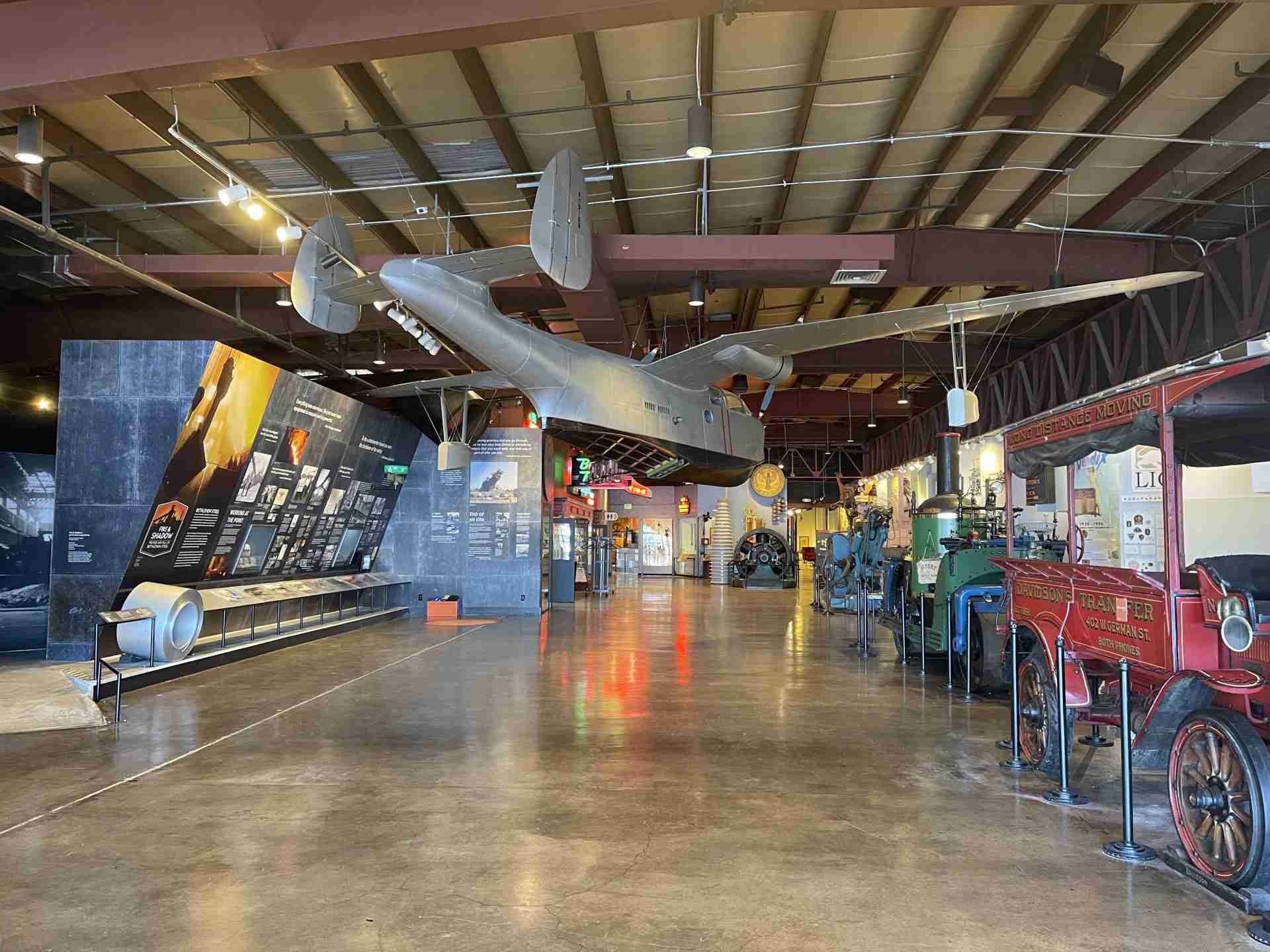
Last but not least, a Model 162A Tadpole Clipper “Mini-Mariner” (Registration No. NX19168), the piloted three-eighths scale test aircraft, is on display at the Baltimore Museum of Industry in Maryland.
Source link : http://www.bing.com/news/apiclick.aspx?ref=FexRss&aid=&tid=66b94d9a051441938661aba22bc6e1f9&url=https%3A%2F%2Fsimpleflying.com%2Fmystery-flight-19-us-navy-martin-pbm-mariner-bermuda-triangle%2F&c=12741376929661526365&mkt=en-us
Author :
Publish date : 2024-08-07 09:00:00
Copyright for syndicated content belongs to the linked Source.