
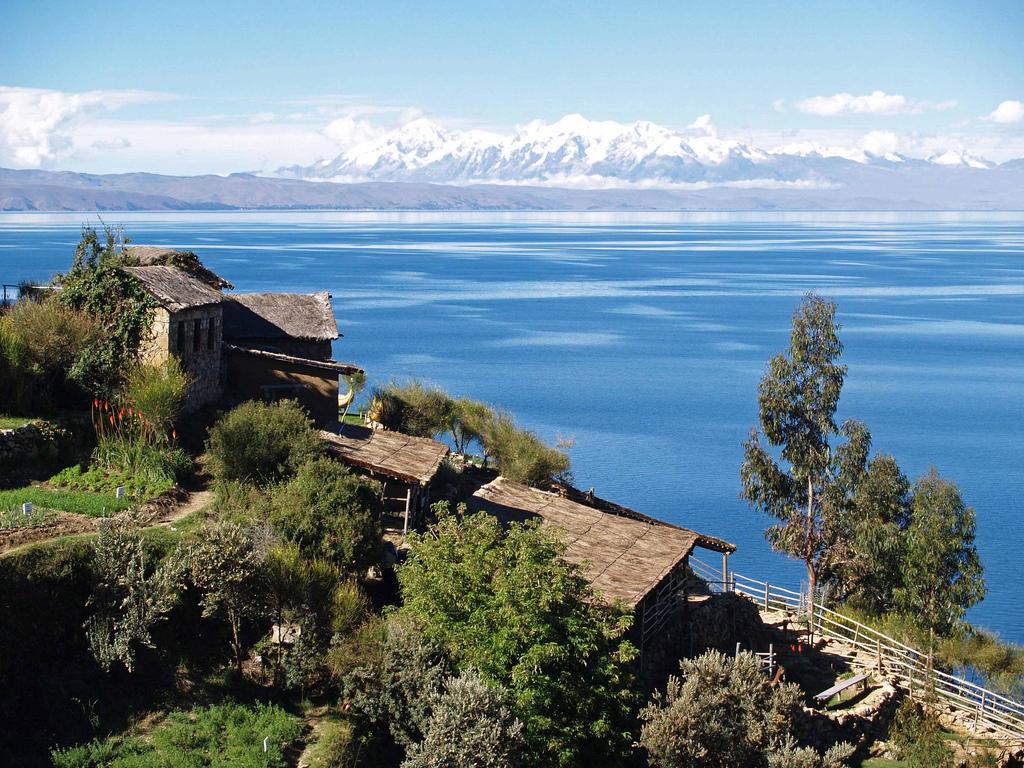
Introduction:
Titicaca, the highest navigable lake in the world and a crucial source of life for the indigenous communities of Bolivia, is facing a perilous crisis. Once revered for its crystal-clear waters and rich biodiversity, the sacred lake is now grappling with the dual challenges of neglect and pollution. As industrial waste, agricultural runoff, and unchecked tourism continue to flood its shores, local ecosystems and livelihoods are at risk of being irrevocably altered. This article explores the urgent plight of Titicaca, shedding light on the environmental degradation threatening not only a precious natural resource but also the cultural heritage that has flourished around it for centuries. Without immediate action, Bolivia’s cherished lake could soon transform from vibrant oasis to silent graveyard, drowning in its own legacy of neglect.
Titicaca Under Threat: The Impact of Pollution and Neglect on Bolivia’s Sacred Ecosystem
The stunning expanse of Lake Titicaca, revered as a cultural icon by indigenous communities, is facing an unprecedented crisis that threatens its fragile ecosystem. Increasing levels of pollution and neglect are undermining its natural beauty and ecological integrity. Wastewater from nearby cities, coupled with unregulated agricultural runoff, has contributed to the lake’s deteriorating water quality. Additionally, illegal mining activities and overfishing further exacerbate the struggle for survival faced by countless aquatic species. The repercussions for local communities, whose livelihoods are intricately tied to this sacred body of water, are dire as these changes disrupt traditional fishing practices and deplete essential resources.
The plight of Lake Titicaca calls for urgent action from both government authorities and the global community. Stakeholders are increasingly recognizing the need for comprehensive strategies to combat pollution and restore the lake’s health. Proposals include:
- Strengthening waste management systems to reduce the inflow of pollutants.
- Implementing sustainable agricultural practices to minimize toxic runoff.
- Promoting eco-tourism to foster economic alternatives while conserving natural resources.
- Engaging local communities in monitoring and protecting the lake’s ecosystem.
With collective efforts, there is hope for revitalizing this irreplaceable ecological treasure, ensuring that Lake Titicaca can continue to symbolize cultural richness and ecological diversity for generations to come.
Voices from the Community: Local Perspectives on Environmental Degradation and Its Consequences
Residents of the towns surrounding Lake Titicaca have become increasingly vocal about the environmental challenges they face. A recent community meeting revealed a profound sense of urgency as local fishermen, farmers, and environmental activists shared their experiences. Key concerns include:
- Pollution: Agricultural runoff and untreated sewage are degrading water quality, affecting fish populations and livelihoods.
- Climate Change: Altered weather patterns are causing erratic rainfall, threatening crops and water security.
- Tourism Impacts: The influx of tourists, while beneficial economically, often leads to increased waste and strain on local resources.
Members of the community have echoed sentiments of betrayal as promises of government intervention remain unfulfilled. The need for sustainable development practices and strict environmental regulations has never been clearer. Community leaders urge both local authorities and national institutions to take immediate action, emphasizing that:
| Action Required | Potential Impact |
|---|---|
| Improved Waste Management | Reduce pollution and safeguard aquatic life. |
| Education Programs | Raise awareness about sustainable practices. |
| Support for Local Farmers | Encourage eco-friendly farming techniques. |
Without urgent and collaborative efforts, the communities around Lake Titicaca fear that the sacred waters, vital for their identity and survival, may be beyond salvage, leaving not only a physical void but an emotional scar that could last generations.
Pathways to Recovery: Strategies for Restoring the Healing Waters of Lake Titicaca
The degradation of Lake Titicaca, long revered for its historical and cultural significance, calls for immediate and concerted recovery efforts. Local governments and environmental organizations are partnering to implement a multi-faceted approach to restore the health of this sacred body of water. Key strategies include:
- Pollution Control Initiatives: Enforcing stricter regulations on industrial discharges and agricultural runoff to minimize contamination.
- Community Education Programs: Raising awareness about the impacts of waste disposal and promoting sustainable practices among local residents.
- Wetland Restoration Projects: Revitalizing the surrounding wetlands to act as natural filters for pollutants and restore biodiversity.
- Tourism Management Plans: Developing sustainable tourism practices that protect the ecosystem while allowing visitors to appreciate the lake’s beauty.
Additionally, the government is focusing on collaboration with indigenous communities, who possess invaluable traditional knowledge regarding the lake’s ecosystems. A vital component of these efforts includes fostering community-led conservation projects, which will empower locals to take charge of their environment. These initiatives will be bolstered through:
- Funding for Research: Supporting scientific studies to monitor the ecological health of Lake Titicaca, offering data-driven insights for sustainable management.
- Engagement Platforms: Creating forums where locals can voice their concerns and contribute to decision-making processes regarding lake management.
- Partnerships with NGOs: Collaborating with non-governmental organizations that specialize in water conservation to enhance resources and expertise.
To Conclude
As we reflect on the urgent plight of Lake Titicaca, it becomes clear that collective action is imperative to safeguard this revered body of water. The challenges posed by neglect and pollution not only threaten the ecological balance but also jeopardize the cultural heritage of the communities that have thrived alongside the lake for generations. The alarming reality of Titicaca’s degradation underscores the need for sustainable practices and heightened awareness among residents, policymakers, and visitors alike. Without a concerted effort to address these issues, Bolivia’s sacred lake may soon be lost to the very neglect that has allowed its beauty to fade. The time for action is now; only through collaboration can we hope to preserve Titicaca for future generations. The echoes of its waters may be faint, but they still cry out for our attention and intervention.









