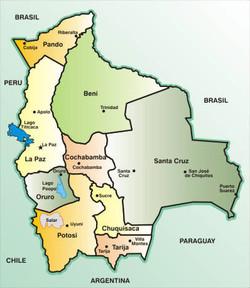
Bolivia and El Salvador Sign Digital Assets Cooperation Agreement
In a groundbreaking move towards enhancing their digital economies, Bolivia and El Salvador have formalized a cooperation agreement focused on digital assets, a development that could reshape the landscape of financial technology in Latin America. Announced during a recent bilateral meeting, this agreement aims to foster innovation, regulatory harmonization, and the safe use of cryptocurrencies within both nations. As Latin American countries increasingly explore the potential of digital currencies and blockchain technology, this partnership reflects a growing recognition of the importance of collaborative efforts in navigating the evolving digital frontier. With both nations strategically positioned to leverage their unique resources and expertise, experts believe this agreement could serve as a catalyst for broader regional cooperation and economic growth in the digital assets space.
Bolivia and El Salvador Forge Path for Digital Asset Innovation through Cooperation Agreement
In a groundbreaking move, Bolivia and El Salvador have formalized a cooperation agreement aimed at fostering innovation in the realm of digital assets. This collaboration is set to create a framework for regulatory alignment and technology sharing, which is essential for both nations as they explore the transformative potential of cryptocurrencies. The agreement focuses on several key areas, including:
- Joint Research Initiatives: Both countries will collaborate on research projects aimed at understanding market dynamics and blockchain applications.
- Regulatory Framework Development: Establishing supportive legal structures to ensure a secure environment for digital asset transactions.
- Educational Programs: Initiatives to increase public awareness and understanding of digital currencies and their usage.
Additionally, the cooperation agreement is expected to enhance the capacity of both nations to attract foreign investment in their digital asset sectors. This strategic partnership aligns with a broader trend of Latin American countries embracing cryptocurrencies as viable components of their economies. As Bolivia and El Salvador move forward, they will also focus on:
| Focus Areas | Goals |
|---|---|
| Innovation in Payment Systems | Expand access to financial services for the unbanked population. |
| Interoperability | Create seamless transactions across different digital platforms. |
| Consumer Protection | Implement measures to safeguard users against fraud and scams. |
Key Implications for Cryptocurrency Adoption in Latin America
As Bolivia and El Salvador take significant strides toward fostering collaboration on digital assets, the implications for cryptocurrency adoption in Latin America are profound. This partnership signals a growing recognition of the potential that cryptocurrencies hold in transforming financial ecosystems across the region. With both countries historically facing economic challenges, the embrace of digital currencies could unlock new opportunities for financial inclusion and economic growth.
The cooperation agreement may pave the way for other Latin American countries to reevaluate their stance on digital currencies, indicating a shift in regulatory attitudes and encouraging the implementation of supportive frameworks. Key implications include:
- Enhanced regulatory frameworks: The agreement could inspire nations to establish clearer regulations conducive to cryptocurrency use.
- Increased economic collaboration: Joint initiatives in blockchain technology could foster deeper economic ties between nations.
- Financial inclusion: Cryptocurrencies could serve unbanked populations, providing access to essential financial services.
- Innovation in remittances: Leveraging digital assets may reduce the high costs associated with cross-border transactions.
| Country | Current Stance on Cryptocurrencies |
|---|---|
| Bolivia | Exploring digital assets for economic reform |
| El Salvador | Pioneer of Bitcoin integration |
Recommendations for Enhancing Regulatory Frameworks and Investor Confidence
To foster a robust environment for cryptocurrency and digital asset initiatives, Bolivia and El Salvador can consider implementing several key strategies within their regulatory frameworks. Firstly, establishing a clear and comprehensive legal definition of digital assets will provide clarity for investors and businesses, reducing the uncertainties that can hinder participation in the market. Additionally, regulatory bodies should incorporate frameworks that promote transparency and accountability, such as mandatory disclosures and regular audits for digital asset companies. This approach can help mitigate risks associated with fraud and enhance trust among stakeholders.
Furthermore, promoting educational initiatives aiming to raise public awareness about digital assets and their associated risks can play a pivotal role in strengthening investor confidence. Collaborating with academic institutions and industry experts to facilitate training programs and workshops will enable potential investors to make informed decisions. Implementing user-friendly platforms for digital asset transactions, combined with efficient dispute resolution mechanisms, can foster a more appealing landscape for both new and seasoned investors. By addressing these areas, Bolivia and El Salvador can position themselves as leaders in the evolving digital economy.
The Way Forward
In conclusion, the recent cooperation agreement between Bolivia and El Salvador marks a significant step in the evolving landscape of digital assets and cryptocurrency regulation in Latin America. As both nations seek to harness the benefits of blockchain technology, this partnership not only paves the way for greater financial innovation but also positions them as leaders in the region’s digital economy. Observers will be keen to monitor the implementation of this agreement and its implications for economic growth, financial inclusion, and the broader acceptance of cryptocurrencies. As the world continues to embrace digital finance, the collaboration between these two countries could serve as a model for others looking to navigate the complexities of the digital asset space.