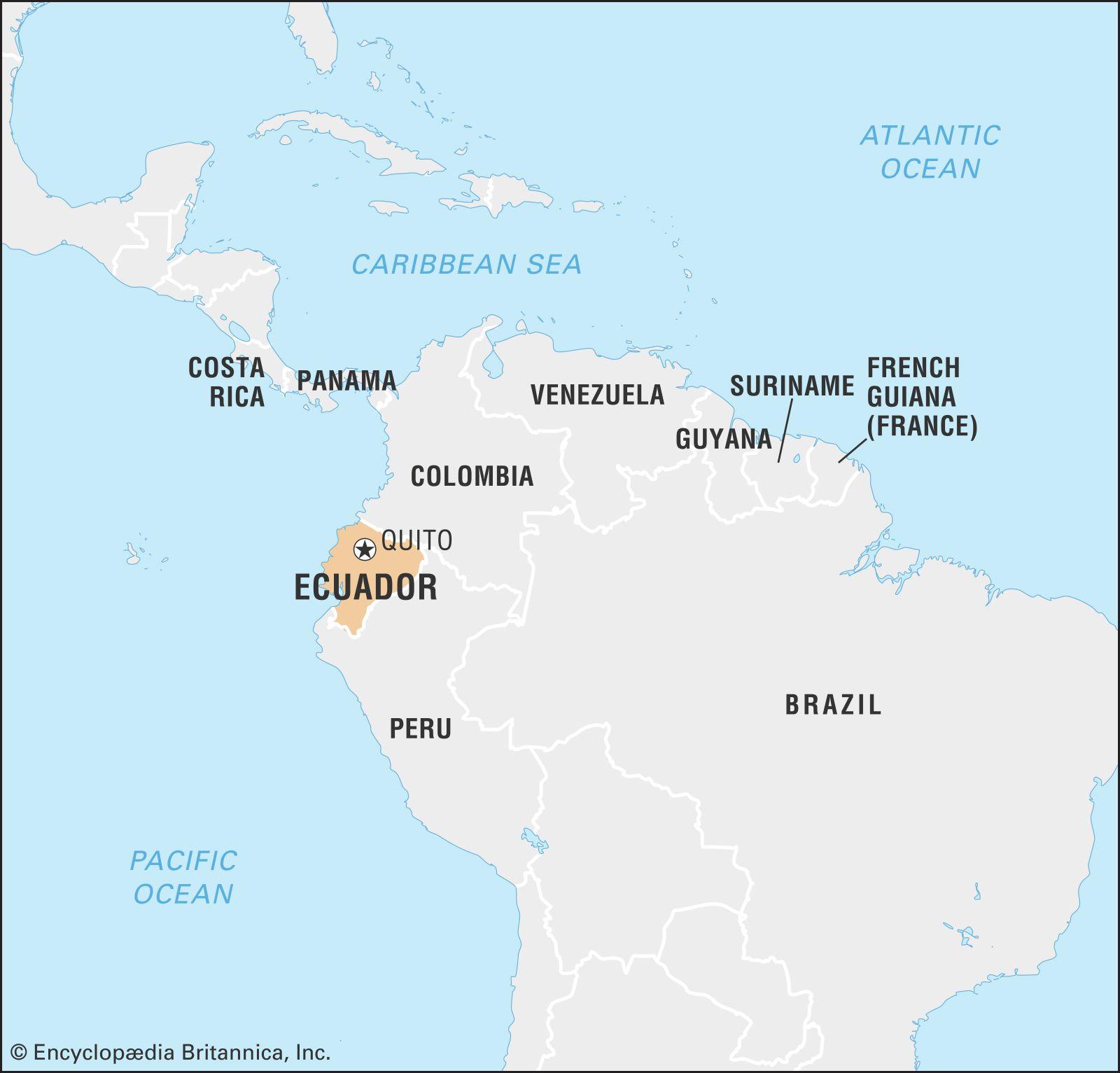
In a wave of civil unrest sweeping across South America, Bolivia finds itself at the epicenter of escalating street protests that have paralyzed the nation and drawn comparisons to recent upheavals in Ecuador, Peru, and Colombia. As discontent over government policies and social injustices boils over, thousands of Bolivians have taken to the streets, demanding accountability and reform. The protests, ignited by a complex mix of socio-economic grievances and political turmoil, reflect a broader struggle for democracy and equity in a region long marred by inequality and authoritarianism. As the situation unfolds, the world watches closely, raising crucial questions about the future of governance and stability in Bolivia and beyond.
Ecuador to Bolivia: Examining the Wave of Unrest Across South America
The recent surge in civil unrest across South America has sent shockwaves through the political landscape, with Bolivia becoming the latest nation to experience significant public demonstrations. Strikingly similar to the events in Ecuador and Peru, where citizens voiced their discontent over socio-economic disparities and government policies, Bolivians have taken to the streets to protest issues ranging from corruption to escalating inflation. The protests, which began over specific local grievances, have rapidly evolved into a broader movement, fueled by widespread dissatisfaction with leadership and economic conditions. Activists have organized large-scale marches in major cities like La Paz and Santa Cruz, drawing attention to their demands for accountability and systemic reform.
Key factors contributing to the unrest include:
- Economic Hardships: Rising inflation and unemployment rates have pushed many families beyond their limits.
- Political Corruption: Allegations of misuse of power and corruption within government ranks have instigated outrage.
- Social Inequality: Persistent disparities among different social groups have exacerbated tensions.
- Environmental Concerns: Local communities are increasingly worried about the impact of large-scale resource extraction on their lands.
In an effort to stabilize the situation, the Bolivian government has proposed a series of dialogue meetings with protest leaders, aiming to address the underlying issues at the heart of the discontent. However, the response from the public has been mixed, as many see these talks as a mere tactic to placate the masses rather than a genuine attempt to bring about meaningful change. The government faces the dual challenge of restoring order while also addressing the legitimate grievances of its citizens, which may determine the future stability of Bolivia amidst a broader regional crisis.
Understanding the Roots of Social Discontent in the Region
Recent street protests across Bolivia join a pattern reminiscent of social upheavals in neighboring countries like Ecuador, Peru, and Colombia. The roots of this unrest can often be traced to a confluence of economic inequities, political disenfranchisement, and social grievances. Issues such as rising living costs, insufficient public services, and widespread corruption fuel deep-seated frustrations among citizens, prompting them to take to the streets. In Bolivia, discontent has been exacerbated by a lack of effective governance and perceived failure to address the needs of marginalized communities, which has resulted in a volatile atmosphere ripe for protest.
The underlying causes of discontent are multifaceted and interconnected, evolving from a historical backdrop of inequality. Key factors contributing to the unrest include:
- Poverty and Unemployment: A significant percentage of the population lives below the poverty line, leading to desperation.
- Government Corruption: Misallocation of resources and lack of transparency have eroded public trust in institutions.
- Ineffective Policies: Policies that fail to address basic needs create frustrations and a sense of betrayal among citizens.
Understanding these dynamics is crucial as they reveal why protests erupt with such intensity. The people’s demands often center around calls for accountability, social justice, and a more equitable distribution of resources, reflecting a broader trend across South America where citizens are increasingly unwilling to tolerate systemic injustice.
Mitigating Future Protests: Strategies for Government and Civil Society Collaboration
The ongoing wave of protests in South America highlights a critical need for governments and civil society to work closely together to address the underlying issues driving unrest. Proactive measures are essential, focusing on fostering dialogue and building trust between authorities and citizens. Key strategies could include:
- Establishing regular communication channels: Creating forums where citizens can voice their concerns and policy makers can respond can significantly reduce tensions.
- Collaborative problem-solving initiatives: Involving civil society organizations in decision-making processes helps ensure policies are more representative of community needs.
- Investing in social programs: Enhancing education, healthcare, and employment opportunities can alleviate some of the root causes of discontent.
- Public transparency efforts: Governments should prioritize transparency in their operations to build trust and dissuade the perception of corruption.
Additionally, timing can play a crucial role in preventing mass mobilizations. By identifying potential flashpoints and addressing grievances before they escalate, authorities can reduce the likelihood of protests. A table outlining recent protests in South American nations reveals patterns that could be useful for predictive policing and conflict resolution:
| Country | Year | Key Issues | Government Response |
|---|---|---|---|
| Ecuador | 2022 | Economic reforms, fuel prices | Negotiation with indigenous groups |
| Peru | 2023 | Constitutional crisis, corruption | Emergency measures, dialogue |
| Colombia | 2021 | Tax reform, social inequality | Policy re-evaluation |
| Bolivia | 2023 | Environmental issues, indigenous rights | Community consultations initiated |
By analyzing previous instances of unrest and recognizing patterns in citizen grievances, both governments and civil society can brainstorm solutions that are not only immediate but also sustainable in the long run. This collaborative approach will not only mitigate the risk of future protests but also strengthen democracy and society as a whole.
Concluding Remarks
In conclusion, the recent wave of street protests in Bolivia joins a troubling pattern witnessed across South America, where discontent over economic inequality, political corruption, and institutional unrest has led citizens to take to the streets in fervent demonstrations. As Ecuador, Peru, and Colombia have experienced their own upheavals, Bolivia’s current turmoil underscores the region’s fragility and the urgent need for dialogue and reform. As the situation evolves, the eyes of the world will be on Bolivia-hoping for a peaceful resolution that addresses the grievances of its citizens. The protests serve as a stark reminder of the profound challenges facing democracies in the region, raising critical questions about governance, social justice, and the future stability of South America.