
Bolivia: A Partnership for Lasting Progress with IFAD
in the highlands and lowlands of Bolivia, where diverse ecosystems meet rich cultural heritage, agriculture plays a pivotal role in sustaining livelihoods and fostering economic growth. As one of the poorest countries in South America, Bolivia faces numerous challenges, including climate change, food insecurity, and rural poverty. The International Fund for Agricultural Development (IFAD) has emerged as a key partner in addressing these issues, working closely with local communities and the Bolivian government to promote sustainable agricultural practices, empower smallholder farmers, and enhance food systems. This article explores the collaborative efforts between Bolivia and IFAD, highlighting innovative projects that aim to improve the resilience and well-being of rural populations while preserving the country’s unique ecological and cultural landscapes. Through a multifaceted approach that includes access to finance, training, and market integration, IFAD and Bolivia strive to pave the way for a more equitable and sustainable future.
Understanding the Role of IFAD in Bolivia’s Agricultural Development
The International Fund for Agricultural Development (IFAD) plays a crucial role in advancing Bolivia’s agricultural landscape, addressing the needs of rural communities and enhancing productivity. By leveraging a combination of financial resources, technical expertise, and strategic partnerships, IFAD focuses on empowering local farmers and fostering sustainable agricultural practices that are vital for the country’s socio-economic growth.
One of the key initiatives spearheaded by IFAD in Bolivia involves the promotion of smallholder farming. The organization recognizes that these farmers are essential players in the agricultural sector, contributing significantly to food security and local economies. IFAD facilitates access to credit and training, enabling farmers to adopt modern techniques, improve crop yields, and diversify their production. This approach is aimed at reducing poverty and increasing resilience against climate change.
Moreover, IFAD emphasizes the importance of gender equality in agricultural development. By specifically targeting women farmers, the organization works to dismantle barriers that limit their access to resources and decision-making processes. Through targeted interventions and capacity-building initiatives, women are empowered to take active roles in agriculture, thereby not only enhancing their livelihoods but also benefitting their communities.
To better illustrate IFAD’s impact on Bolivia’s agricultural development, the following table summarizes key areas of focus and their respective outcomes:
| Focus Area | Expected Outcome |
|---|---|
| Access to Finance | Increased investment in farming activities |
| Training Programs | Enhanced agricultural skills and productivity |
| Women Empowerment | Greater involvement of women in agricultural decision-making |
| Market Access | Improved income and sales for smallholders |
assessing the Impact of IFAD programs on Rural Poverty Reduction
The International Fund for agricultural Development (IFAD) has undertaken various initiatives in Bolivia aimed at alleviating rural poverty. These programs target smallholder farmers and marginalized communities, focusing on enhancing agricultural productivity and diversifying livelihoods. Consequently, the impact on rural poverty has been scrutinized through multiple lenses, providing a nuanced understanding of successes and challenges.
One notable aspect of IFAD’s work involves increasing access to financial services for rural populations. By promoting microfinance institutions and cooperative models,IFAD has enabled farmers to:
- Secure loans for agricultural inputs
- Invest in technology and modern farming practices
- Expand their market reach and negotiate better prices
Additionally,capacity-building initiatives have been pivotal. Training programs on sustainable farming techniques not only boost productivity but also foster resilience against climate change. these efforts have led to positive outcomes, such as:
- Improved food security within families
- Higher household incomes
- Increased participation of women in agricultural decision-making
To illustrate the quantitative impact of IFAD programs, the following table highlights key metrics regarding rural poverty reduction over the past five years:
| Year | Poverty Rate Reduction (%) | Beneficiaries of IFAD Programs | Increase in Agricultural Productivity (%) |
|---|---|---|---|
| 2018 | 5 | 50,000 | 10 |
| 2019 | 7 | 70,000 | 12 |
| 2020 | 10 | 100,000 | 15 |
| 2021 | 8 | 120,000 | 18 |
| 2022 | 6 | 150,000 | 20 |
IFAD’s concerted efforts in Bolivia have shown a substantial impact on rural poverty alleviation through financial access and capacity building. While challenges remain in reaching the most vulnerable populations, positive trends indicate a promising path forward in creating sustainable livelihoods for rural communities.

Innovative Approaches to sustainable Farming Supported by IFAD
In Bolivia, innovative farming techniques supported by the international Fund for Agricultural Development (IFAD) are transforming agricultural landscapes and empowering local communities. By integrating traditional practices with modern technologies, farmers are finding sustainable ways to enhance productivity while preserving the habitat. Some of the noteworthy approaches include:
- Agroecology: this approach emphasizes biological diversity, integrating crops and livestock, and adopting eco-friendly practices that enrich soil health and minimize reliance on chemical inputs.
- Precision Agriculture: Utilizing data-driven technologies, farmers can monitor their crops more closely, optimizing resources such as water and fertilizers. This method not only increases yields but also reduces waste.
- organic farming: With growing consumer demand for organic produce,IFAD has been instrumental in providing training and resources to help farmers transition to organic methods,boosting their income while promoting healthy ecosystems.
Additionally, IFAD’s support extends to the establishment of cooperatives that foster collaboration among farmers. Through collective efforts, these entities are able to access better markets, negotiate fair prices, and share resources effectively. One exemplary initiative is highlighted in the following table:
| Initiative | Impact | year Launched |
|---|---|---|
| Cacao Cooperative | Increased farmer income by 40% | 2020 |
| Water Conservation Project | Improvements in crop yields by 25% | 2021 |
By fostering an environment conducive to innovation and sustainability, IFAD is playing a crucial role in the agricultural renaissance in Bolivia. The commitment to integrating local knowledge with cutting-edge practices not only safeguards food security but also nurtures the resilience of rural communities facing climate challenges.
Challenges Faced by IFAD Initiatives in Bolivia’s Diverse Landscapes
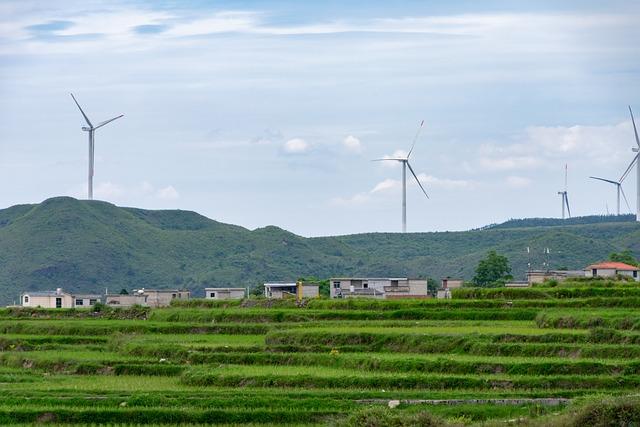
The implementation of initiatives by the International Fund for Agricultural Development (IFAD) in Bolivia presents several significant challenges due to the country’s diverse landscapes. From the high-altitude Andes mountains to the tropical lowlands of the Amazon, the geographical variations complicate the understanding and execution of development programs. Each region has unique ecological conditions, cultural practices, and economic contexts that require tailored approaches, often arduous to devise and implement uniformly.
Among the primary obstacles faced are:
- Geographic Isolation: Many rural communities are situated in remote areas, making access to markets and essential services difficult.
- Cultural Diversity: Bolivia is home to numerous ethnic groups,each with their own customs and languages,which complicates communication and the acceptance of IFAD initiatives.
- Climate Variability: Changing weather patterns impact agricultural productivity, requiring constant adaptation of practices and strategies to ensure food security.
- Economic Constraints: Limited financial resources hinder investments in infrastructure, technology, and capacity building necessary for sustainable development.
To address these challenges, IFAD has adopted a multifaceted approach that emphasizes collaboration with local organizations and communities. Providing training in sustainable agricultural practices and fostering community participation are crucial strategies. The table below illustrates key initiatives and their targeted regions:
| Initiative | Region | Focus Area |
|---|---|---|
| Andean Livelihoods Program | Andes | Crop diversification |
| Amazon ecosystem Project | Amazon Basin | Sustainable Forestry |
| Rural Youth Initiative | Mixed Regions | Youth Empowerment |
Recommendations for Enhancing IFAD’s Engagement in Bolivian Communities
To deepen its impact in Bolivian communities, IFAD should consider a multifaceted approach that incorporates local voices and strengthens existing frameworks. Engaging in dialog with local leaders and organizations will create a foundation of trust and collaboration, essential for sustainable development. Key strategies could include:
- Participatory Planning: Involve community members in the project design and implementation processes to ensure their needs are met.
- Capacity Building: Implement training programs tailored to local customs and economies, equipping community members with skills for sustainable livelihoods.
- Resource Allocation: Prioritize resources towards integrated agricultural initiatives that promote biodiversity and local produce.
- Technology Transfer: Facilitate access to innovative agricultural technologies and practices, fostering resilience against climate change.
Moreover, enhancing partnerships with local NGOs and civil society organizations can amplify IFAD’s reach and efficacy.Collaborations can foster projects that align with community goals and cultural values, while also supporting the preservation of indigenous practices. Establishing a feedback mechanism can ensure that community input is continually considered, refining programs to better suit the evolving landscape of Bolivian agriculture.
Below is a table highlighting potential areas for collaboration between IFAD and Bolivian communities:
| Area of Collaboration | Expected Outcome |
|---|---|
| Local Agricultural Cooperatives | Empowerment of farmers and enhanced market access |
| Community Health Initiatives | Improved nutrition and wellbeing |
| Ecosystem Restoration Projects | Increased biodiversity and resilience |
| Youth Engagement Programs | Promotion of sustainable practices among future generations |
These recommendations align with the overarching goals of poverty alleviation and sustainable development, paving the way for a brighter and more equitable future for Bolivian communities.

Future Prospects for Agricultural Resilience and Food Security in Bolivia
The vision for the future in Bolivia’s agriculture and food security is anchored in proactive strategies that enhance resilience against climate change and economic challenges. Several initiatives aim to strengthen local farming practices while ensuring food systems are robust enough to withstand future shocks.
- Sustainable Agricultural Practices: Promoting agroecology, though essential, also involves investing in technology that enables farmers to maximize yields while minimizing environmental impact.
- Diverse Crop Production: Encouraging the cultivation of a variety of crops, especially traditional grains, can definitely help diversify income sources for farmers and maintain food security across communities.
- Access to Financial Services: Expanding micro-financing options will empower smallholder farmers to invest in necessary infrastructure and equipment to boost production and resilience.
- Strengthened Local markets: Developing robust supply chains and local markets can definitely help farmers sell their produce efficiently and ensure that food reaches those in need.
In addition, collaborative efforts between the government, local organizations, and international partners are crucial. A proposed framework for action might include:
| Action Area | Expected Outcome |
|---|---|
| Investment in Irrigation Systems | Increased crop resilience during dry seasons |
| Training Programs for Farmers | Enhanced knowledge of sustainable methods |
| Promotion of Local Seed Banks | Diverse biodiversity and reduced dependency on commercial seeds |
In sum, by orienting the agricultural sector towards sustainability, Bolivia can enhance its food security and foster a resilient farming community prepared to face the future’s uncertainties. With continued collaboration and innovation, the path forward promises not only to address immediate food needs but also to create a stable agricultural environment for generations to come.

Wrapping Up
the partnership between Bolivia and the International Fund for Agricultural Development (IFAD) demonstrates a significant commitment to enhancing the livelihoods of rural communities across the country. Through targeted investments in agriculture, infrastructure, and capacity building, IFAD has played a pivotal role in addressing the challenges faced by bolivian farmers, especially those in marginalized regions. As Bolivia continues to navigate its economic landscape, the ongoing collaboration with IFAD is expected to yield lasting benefits, empowering local populations to improve their food security and economic resilience. The successes seen in various projects serve as a testament to the potential of international cooperation in driving sustainable development. Moving forward, it will be essential for all stakeholders to build on these gains and foster an inclusive approach to growth that ensures no one is left behind on the path to progress.