
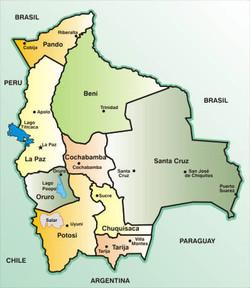
In a firm stance against U.S. foreign policy, Bolivia has condemned recent American military actions in Iran, labeling them as “arbitrary” and a violation of international norms. The Bolivian government, under President Luis Arce, has voiced its concerns amid escalating tensions in the Middle East, emphasizing the need for dialogue and respect for sovereignty. This statement comes in the wake of heightened global scrutiny over the United States’ approach to international conflicts, prompting smaller nations to reevaluate their positions on foreign interventions. As the situation unfolds, Bolivia’s declaration could have broader implications for regional politics and the global discourse on military engagement.
Bolivia Condemns US Military Actions in Iran as Unjustified Aggression
In a powerful statement, Bolivia’s government has decried the United States’ recent military operations in Iran, labeling them as unwarranted acts of aggression. Officials in La Paz emphasized that such actions not only jeopardize regional stability but also contradict international laws aimed at fostering peace and cooperation among nations. The Bolivian administration firmly calls for a reevaluation of military strategies that prioritize diplomacy over force, stressing the importance of constructive dialogue in resolving conflicts.
Furthermore, Bolivia’s condemnation resonates with a growing sentiment among various nations advocating for sovereignty and non-interference. Key points highlighted by Bolivian leaders include:
- Violation of International Law: Bolivia asserts that the attacks breach agreements intended to safeguard nations from unilateral military actions.
- Humanitarian Concerns: There are worries about the humanitarian impact these military maneuvers will have on the Iranian population.
- Urgency for Peaceful Resolution: The nation urges an immediate shift from military intervention to inclusive diplomatic negotiations.
Examining the Impact of US Strikes on Global Diplomacy and Regional Stability
The recent remarks from Bolivia regarding the United States’ military strikes on Iran highlight the growing concern among various nations about the implications of unilateral military actions on international relations. Bolivian officials have characterized these attacks as arbitrary, signaling a potential shift in how countries perceive US foreign policy decisions. This sentiment reflects a broader narrative among nations advocating for diplomatic solutions rather than military interventions. Key points include:
- Increased tensions: The strikes have escalated already tenuous relations in the Middle East, raising fears of a wider conflict.
- Challenging multilateralism: Countries like Bolivia argue that unilateral actions undermine global cooperation and diplomatic diplomacy.
- Repercussions for regional stability: Neighboring nations express concerns that these strikes might incite retaliatory actions from Iran, further destabilizing an already volatile region.
As the situation unfolds, it is evident that such military actions do not occur in a vacuum. Countries around the globe are reevaluating their stances on US leadership, which is increasingly perceived as aggressive rather than cooperative. A recent table highlighting global perceptions of US strikes illustrates the divide:
| Country | Perception of US Strikes |
|---|---|
| Bolivia | Arbitrary and destabilizing |
| China | Violates sovereignty |
| Russia | Provocative escalation |
| Germany | Encourages diplomatic solutions |
These changing perspectives may influence future diplomatic engagements and alliances, as nations reassess their relationships in light of perceived US imperatives. The ongoing discourse surrounding these actions underscores a critical juncture in global diplomacy, where the balance between military intervention and diplomatic negotiation will increasingly shape regional stability and international relations.
Recommendations for Enhanced International Dialogue to Prevent Future Conflicts
In light of Bolivia’s condemnation of the US attacks on Iran as “arbitrary,” there is a pressing need for enhanced international dialogue to address the underlying tensions that can lead to future conflicts. This dialogue should prioritize multinational cooperation, bringing together various countries to foster understanding and mitigate aggressive actions. Essential components of such a dialogue could include:
- Establishment of Neutral Mediation Bodies: Countries like Bolivia could play a crucial role in mediating disputes, ensuring that all voices are heard.
- Regular Diplomatic Forums: Periodic meetings among nations to discuss geopolitical concerns, focusing on de-escalation tactics.
- Engagement of Civil Society: Involving NGOs and grassroots organizations to discuss their perspectives on international peacekeeping efforts.
Additionally, creating frameworks for conflict resolution that include political and economic incentives can help dissuade nations from resorting to military actions. A potential framework could look like the following:
| Incentives | Actions |
|---|---|
| Trade Agreements | Facilitate economic partnerships to prevent military conflicts. |
| Cultural Exchanges | Enhance mutual understanding through educational and cultural programs. |
| Joint Security Initiatives | Collaborate on security measures to build trust and avert aggression. |
The Way Forward
In conclusion, Bolivia’s condemnation of the United States’ military actions against Iran underscores the ongoing tensions between nations regarding sovereignty and international relations. The Bolivian government’s labeling of these attacks as “arbitrary” reflects a broader critique of unilateral military interventions and highlights the complexities of geopolitical dynamics in an increasingly multipolar world. As global leaders and organizations continue to navigate these delicate issues, Bolivia’s stance serves as a reminder of the diverse perspectives that shape the discourse on international security and diplomacy. The ramifications of such interventions will continue to reverberate, influencing not only bilateral relationships but also the broader landscape of international politics.











