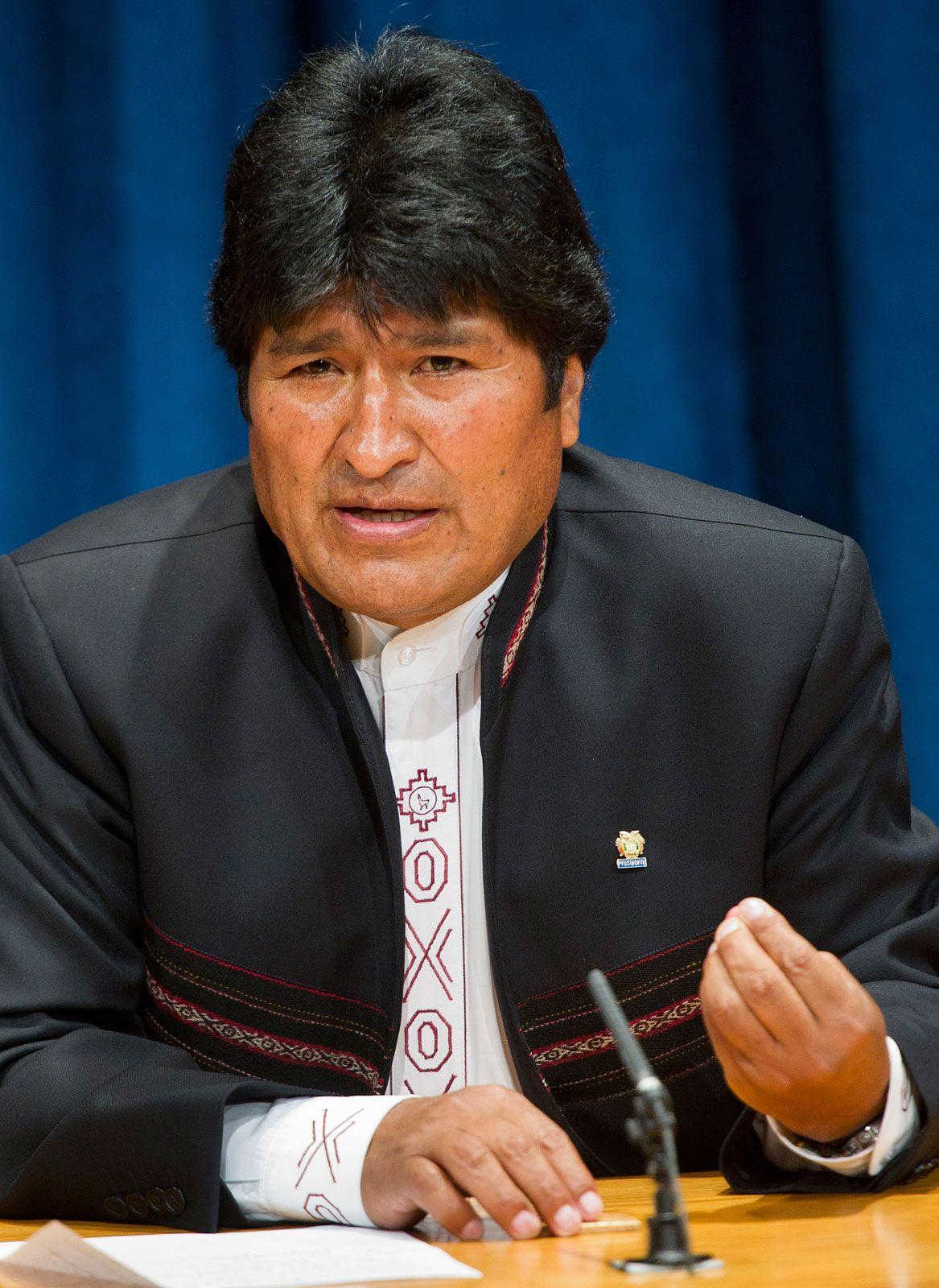
In a bold declaration that has sparked international debate, Bolivian President Luis Arce has accused the United States and Israel of “practicing genocide” amid escalating tensions in the Middle East and broader geopolitical issues. This assertion, made during a recent speech, underscores Bolivia’s increasingly critical stance on foreign intervention and military actions that it perceives as harmful to sovereign nations. As the international community grapples with complex humanitarian crises and the ramifications of geopolitical rivalries, President Arce’s comments serve as a stark reminder of the wider implications of global power dynamics and their impact on vulnerable populations. This article delves into the context surrounding Arce’s statements, exploring the underlying motivations and the potential ramifications on Bolivia’s foreign relations and international discourse.
Bolivian Leadership Calls Out International Allegations Against US and Israel
In a bold stance, the Bolivian leadership has openly criticized the United States and Israel, asserting that both nations are engaging in acts that equate to genocide. This statement comes amid escalating tensions and international scrutiny regarding their military operations in various regions. The Bolivian president has called for the international community to recognize these allegations seriously, emphasizing the need for accountability in global governance. Points made during his address include:
- Escalating Violence: The president highlighted recent military actions resulting in civilian casualties.
- Human Rights Violations: Specific incidents of reported abuses were referenced to underline the need for oversight.
- Calls for Unity: He urged Latin American countries to stand in solidarity against such actions.
Furthermore, the Bolivian government has sought to galvanize support from other nations, aiming to challenge what they perceive as impunity enjoyed by superpowers. This initiative includes fostering discussions within international organizations to initiate investigations into military practices. A proposed collaboration with regional allies is underway, with the intention of forming a coalition to advocate for the protection of human rights globally. The Bolivian leadership hopes that this unified front will bring about a significant change in international policy and strengthen the voices of nations that have historically been marginalized. The table below outlines key incidents and responses that have triggered Bolivian officials’ statements:
| Incident | Date | Response from Bolivia |
|---|---|---|
| Civilian casualties in Gaza | October 2023 | Declared a humanitarian crisis |
| Military operation in Ukraine | February 2022 | Condemned violence against civilians |
| Sanctions on Venezuela | 2017 | Called for diplomatic solutions |
Examining the Impacts of Genocide Accusations on Diplomatic Relations
The recent statements by the Bolivian president alleging genocide practices by the United States and Israel represent a significant shift in diplomatic rhetoric that could have profound consequences for international relations. Accusations of this nature can escalate tensions, leading to increased polarization within the global community. Countries that align themselves with Bolivia may express solidarity, potentially creating new alliances, while those supporting the accused nations might strengthen their positions against Bolivia, further complicating diplomatic dialogues.
In exploring the ramifications of such rhetoric, it’s crucial to consider how these accusations can affect international cooperation on various fronts. For instance, discussions on trade, humanitarian aid, and security initiatives may become strained. Key points to reflect on include:
- Trade Relations: Potential sanctions or trade embargoes could result from heightened tensions.
- Humanitarian Aid: Countries implicated may withdraw support, impacting global relief efforts.
- Security Alliances: Defense pacts may be reassessed as nations take sides.
Recommendations for Strengthening Bolivian Sovereignty and Global Solidarity
To enhance its sovereignty amidst ongoing geopolitical tensions, Bolivia must consolidate its economic and political frameworks. This could be achieved through increasing regional cooperation with neighboring countries in South America, allowing for collective bargaining power in trade agreements and international forums. By prioritizing self-sufficiency in critical sectors such as agriculture and energy, Bolivia can reduce its dependence on foreign powers, thus fortifying its autonomy. Collaborative frameworks with other Latin American nations to bolster resource-sharing agreements could reinforce these efforts and create a stronger economic bloc capable of resisting external pressures.
Furthermore, Bolivia should actively pursue partnerships with like-minded nations globally to foster a climate of mutual support and solidarity. Joining organizations that advocate for social justice and human rights can amplify its voice on the international stage. Engaging in diplomatic dialogues focused on humanitarian issues and anti-imperialism can also help build coalitions that challenge oppressive policies. Initiatives could include educational exchanges and joint cultural programs aimed at sharing Bolivia’s rich heritage and values, strengthening bonds with allies who champion defense against imperialism and support for global equity.
Insights and Conclusions
In conclusion, President Luis Arce’s striking accusations against the United States and Israel highlight a significant escalation in diplomatic tensions and raise profound questions about international conduct and human rights. The assertion of “genocide” draws attention not only to the geopolitical conflicts at play but also to the broader implications for global governance and accountability. As Bolivia grapples with its own political landscape, the ramifications of these declarations could resonate across Latin America and beyond, prompting increased scrutiny of foreign interventions and alliances. The international community will undoubtedly be watching closely as this situation develops, with potential impacts on diplomatic relations and humanitarian discourse worldwide.