
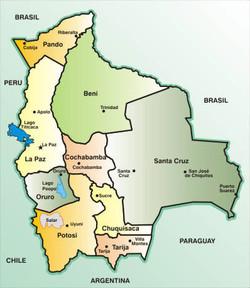
In a landmark decision that echoes through the corridors of Bolivia’s judicial system, the Supreme Court has ordered the release of former interim president Jeanine Áñez. The ruling, which comes after prolonged legal battles and widespread controversy, has reignited discussions surrounding political justice and accountability in the country. Áñez, who took power in 2019 amid political turmoil, was convicted on charges related to her role during the transitional government, sparking debates over the legitimacy of her trial and the implications of her incarceration. As Bolivia grapples with its complex political landscape, this pivotal ruling marks a significant moment in the nation’s ongoing struggle for stability and reconciliation.
Bolivia’s High Court Decision: Implications for Political Stability and Legal Precedents
The recent ruling by Bolivia’s Supreme Court to release former President Jeanine Áñez has sent ripples through the nation, prompting a re-evaluation of the current political landscape. This decision raises critical questions about the legal frameworks governing political transitions and governance in Bolivia. Legal experts argue that the court’s move not only challenges existing political narratives but also paves the way for enhanced judicial independence. It signals a potential shift away from politically motivated prosecutions, an essential aspect of a stable democratic process. The implications for future governance are profound, as such precedents could either bolster or undermine public trust in the judicial system, depending on how they are executed in practice.
As various political factions react to this landmark ruling, the potential for increased volatility is evident. The court’s decision may embolden Áñez’s supporters while igniting further tensions among opposition figures who view her release as a sign of impunity. To navigate this precarious situation, the Bolivian government must consider several factors:
- Public Reaction: Citizen responses will heavily influence whether this decision is viewed as a step toward reconciliation or a resurgence of past grievances.
- International Relations: Bolivia’s standing on the global stage may be affected, particularly concerning human rights and rule of law measures.
- Future Legislation: The need for reforms may arise to clarify the legal boundaries surrounding political accountability.
Understanding the Context: The Case of Jeanine Áñez and the Role of Judicial Independence
The recent decision by Bolivia’s Supreme Court to order the release of Jeanine Áñez highlights significant concerns regarding judicial independence and political entanglement in the country’s legal landscape. The former interim president was sentenced to more than ten years in prison for her role in the 2019 political crisis, which culminated in the ousting of Evo Morales. As the court evaluates her case, several critical factors emerge:
- Political Ramifications: Áñez’s imprisonment has been perceived as a reflection of the current government’s stance on dissent and opposition.
- Judicial Integrity: The integrity of Bolivia’s judiciary is under scrutiny as accusations of bias and political influence gain traction.
- Human Rights Considerations: The handling of Áñez’s case raises questions about due process and the treatment of political figures in the Bolivian judicial system.
Moreover, the ruling underscores the complexity of maintaining an impartial judicial system in a politically charged environment. Critics argue that the circumstances surrounding Áñez’s prosecution demonstrate a troubling pattern of weaponizing the legal system for political ends. Observers note that the implications of this legal battle extend beyond Áñez herself, as they affect public trust and the overall perception of law and order in Bolivia. Key points of contention include:
| Aspect | Implication |
|---|---|
| Judicial Autonomy | Questions about the separation of powers in practice. |
| Public Trust | How legal proceedings influence citizen confidence in governance. |
| International Relations | Perceptions of Bolivia’s legal system on the global stage. |
Recommendations for Strengthening Bolivia’s Democratic Institutions Amidst Legal Controversies
In light of recent legal controversies surrounding Bolivia’s political landscape, it is imperative for stakeholders to take proactive steps to enhance the integrity of democratic institutions. Strengthening transparency in judicial proceedings can help build public trust and confidence in the legal system. Key measures to consider include:
- Establishing independent commissions to monitor high-profile cases, ensuring fairness and accountability.
- Implementing clear guidelines for politically sensitive trials to prevent perceived biases.
- Enhancing public access to legal processes through improved communication channels and open trials.
Moreover, fostering a culture of dialogue and inclusivity among diverse political factions is essential for stabilizing Bolivia’s democratic framework. Engaging civil society and grassroots organizations can bridge the gap between government actions and public perceptions. To support this, the following strategies should be prioritized:
- Creating forums for discussion where citizens can voice concerns and aspirations related to democracy.
- Promoting civic education initiatives that empower citizens to participate effectively in governance.
- Encouraging collaboration between the government and non-governmental organizations to address social and political grievances.
Insights and Conclusions
In conclusion, the recent ruling by Bolivia’s Supreme Court to order the release of former President Jeanine Áñez marks a significant turning point in the nation’s ongoing political saga. As legal battles continue to unfold, the decision has sparked a wave of reactions from diverse sectors of society, highlighting the deep divisions that remain. As the country navigates this new chapter, the implications of Áñez’s release on Bolivia’s political landscape, social cohesion, and judicial integrity will require close scrutiny. The situation remains fluid, and developments in the coming days and weeks will be critical in shaping the future of Bolivian democracy.









