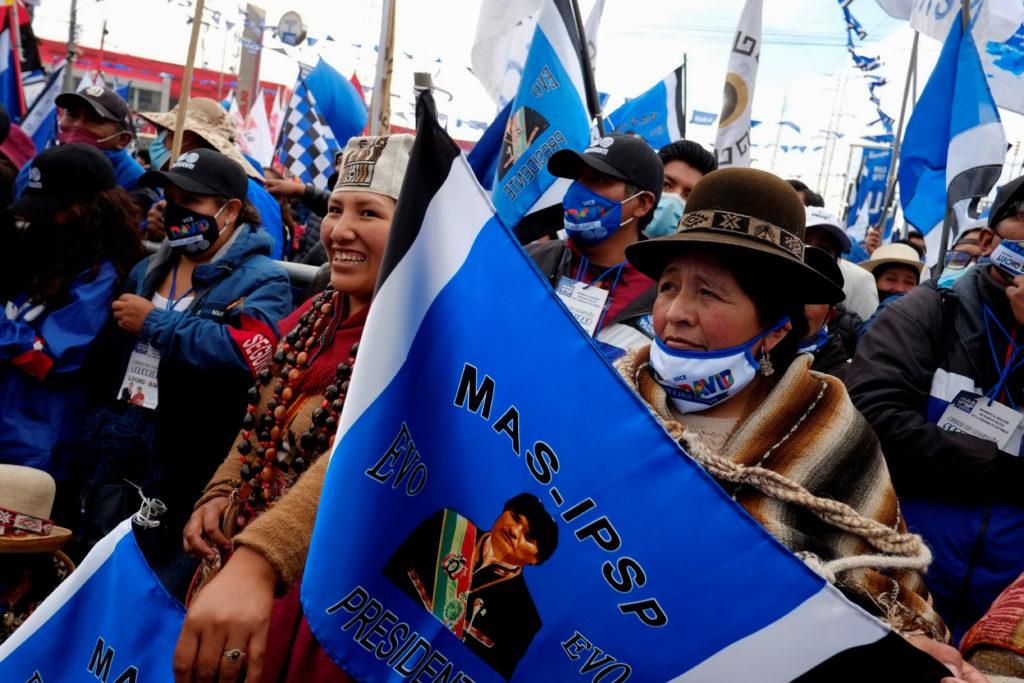
As Bolivia approaches its pivotal election, a complex tapestry of political dynamics, social unrest, and economic challenges sets the stage for a critical moment in the nation’s history. Voters will head to the polls amid heightened tensions and a backdrop of unresolved issues from past administrations. With various political factions vying for power, the outcome could reshape Bolivia’s future and influence its role in the broader Latin American landscape. In this article, we delve into the key elements impacting this election, from the candidates and their platforms to the socio-economic factors at play, providing essential insights for those seeking to understand the stakes of Bolivia’s democratic process.
Bolivia’s Political Landscape: Key Players and Challenges Ahead
Bolivia’s political landscape is marked by a complex interplay of power dynamics, with several key players influencing the upcoming election. The two main political parties, the Movement for Socialism (MAS) and Communidad Ciudadana (CC), are poised to compete for the support of a divided electorate. The MAS, led by former president Luis Arce, seeks to consolidate its influence over the indigenous population and urban workers, while the CC, under the charismatic leadership of Carlos Mesa, is aiming to pull support from the middle class and disaffected voters seeking a change in governance. Additionally, new emerging parties are beginning to make their presence felt, promising fresh perspectives and policies that resonate with younger Bolivians.
As the elections approach, several challenges loom on the horizon. Economic recovery remains a pressing issue, with soaring inflation and unemployment rates significantly impacting daily life. The political landscape is further complicated by social unrest, as protests related to various grievances have been a recurrent theme since the last election cycle. Furthermore, corruption allegations continue to plague political figures across the spectrum, undermining public trust in institutions. Each of these factors will play a vital role in shaping voter sentiment and ultimately determining the direction Bolivia takes in the coming years.
Voter Turnout and Engagement: Strategies for an Informed Electorate
Increasing voter turnout and engagement in Bolivia’s elections requires focused strategies to foster an informed electorate. Education initiatives playing a vital role include community workshops and accessible online resources aimed at demystifying the electoral process. By providing clear information about the voting procedure, candidates, and their platforms, authorities can help voters make knowledgeable decisions. Civic engagement programs can further enhance participation by encouraging dialogue among citizens, thereby reinforcing the importance of every vote in shaping Bolivia’s future.
Efforts should also be made to engage underrepresented groups, including youth, indigenous populations, and urban dwellers. Collaborative partnerships with local organizations can improve outreach and ensure these communities see their concerns reflected in political discourse. Furthermore, using social media campaigns can amplify messaging and create buzz around the elections, stimulating interest and motivating people to vote. An effective approach often includes the establishment of surveys and feedback mechanisms that allow voters to voice their needs and concerns, ultimately leading to more responsive governance.
Post-Election Implications: What the Results Mean for Bolivia’s Future
Following the recent election results in Bolivia, the political landscape has undergone a significant transformation that will influence the nation’s path in the coming years. With a divided electorate and heightened tensions between opposing factions, key implications loom large for governance and policy. The election outcomes suggest the potential for increased polarization within the political sphere, as well as the necessity for meaningful dialogue to address pressing issues such as economic recovery, public health, and social inequality. As Bolivians look to their leaders for stability, the importance of bipartisan cooperation cannot be overstated.
In addition to political ramifications, the results signal crucial changes in Bolivia’s international relations, as foreign investments and diplomatic strategies will need to adapt accordingly. Key areas to monitor include:
- Trade Agreements: Reevaluation of existing trade pacts and negotiations for new partnerships could reshape Bolivia’s economic alliances.
- Environmental Policy: Increased scrutiny on resource extraction may influence Bolivia’s stance in global climate discussions.
- Human Rights Advocacy: Domestic and international pressure on human rights issues may lead to policy reforms.
To better understand the dynamics at play, the table below highlights essential aspects of the election results and possible impacts:
| Aspect | Outcome | Implications |
|---|---|---|
| Voter Turnout | High | Increased political engagement |
| Majority Party | [Party Name] | Shift in policy direction |
| Minority Representation | Diverse | Potential for coalition-building |
In Retrospect
As Bolivia approaches a pivotal election, the stakes are high for the nation’s political landscape and its citizens. With multiple candidates vying for the presidency and key legislative positions, understanding the dynamics at play is crucial for both domestic and international observers. Voter sentiment, economic concerns, and social issues will all shape the outcome, potentially altering Bolivia’s trajectory in the coming years. As the nation prepares to cast its votes, keen attention will be paid not only to the election results but also to the broader implications for governance, democracy, and stability in the region. Stay informed as we continue to monitor the developments leading up to this critical moment in Bolivian history.