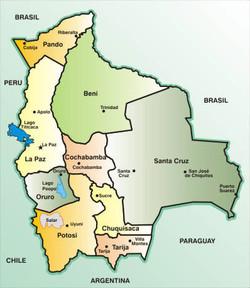
In a landmark ruling, the Inter-American Court of Human Rights has issued a judgment against the Bolivian government for its handling of a sexual violence case, marking a significant victory for victims’ rights in the country. The decision, prompted by a case brought forth by the global advocacy organization Equality Now, highlights systemic failures within Bolivia’s judicial system and underscores the urgent need for reforms to protect vulnerable populations. This ruling not only sets a precedent for the treatment of sexual violence cases in the region but also sends a strong message about the accountability of governments in safeguarding human rights. As Bolivia grapples with the implications of this landmark decision, the call for enhanced protections and justice for victims resonates louder than ever.
Inter-American Court Rulings Spotlight Bolivia’s Sexual Violence Crisis
The recent ruling by the Inter-American Court of Human Rights has brought to light the pervasive issue of sexual violence in Bolivia, shedding necessary scrutiny on the systemic failures within the country’s justice system. The court’s decision underscores the urgent need for Bolivian authorities to reform legal practices and implement protective measures for victims. In this landmark case, the court found that the state had failed to adequately investigate and prosecute instances of sexual violence, thus violating the rights of the victim. This ruling not only holds the Bolivian government accountable but also emphasizes the importance of international oversight in human rights matters.
As the implications of the ruling ripple through the region, various organizations are calling for immediate action to address the entrenched culture of impunity surrounding sexual violence. Stakeholders are urged to:
- Enhance Legal Frameworks: Revise laws to ensure comprehensive protections for survivors.
- Train Law Enforcement: Equip police and judicial personnel with sensitivity training to respond effectively to sexual violence cases.
- Increase Support Services: Expand access to psychological and legal support for survivors of sexual violence.
Moving forward, it is imperative that the Bolivian government not only complies with the court’s decision but also takes proactive steps to foster a safe environment for all citizens. Only through genuine commitment and policy reform can Bolivia make strides towards eradicating the scourge of sexual violence and uphold the dignity of every individual.
Accountability and Reparation: The Importance of Upholding Human Rights Standards
The recent judgment issued by the Inter-American Court of Human Rights against Bolivia marks a significant step forward in the fight for justice and accountability in cases of sexual violence. This ruling not only holds the Bolivian state responsible for its failure to adequately protect the rights of victims but also sets a precedent for other nations grappling with similar issues. The court underscored the need for comprehensive reforms to ensure that victims of gender-based violence can seek justice without fear of retribution or stigma. Key components of the judgment include:
- Recognition of systemic failings in handling sexual violence cases.
- Mandatory training for law enforcement to adequately address and investigate such cases.
- Establishment of support mechanisms for victims that prioritize their well-being and legal rights.
The ruling reaffirms the essential role that human rights standards play in promoting accountability and facilitating reparations for victims. This case serves as a vital reminder that states must not only acknowledge the prevalence of sexual violence but also take tangible steps to prevent it, investigate incidents thoroughly, and provide justice for the survivors. The following actions are critical in fostering a culture of accountability:
| Action | Expected Outcome |
|---|---|
| Strengthening legal frameworks | Increased protection for victims |
| Public awareness campaigns | Reduction in stigma and reporting barriers |
| Victim-centered rehabilitation programs | Empowerment and recovery of survivors |
Recommendations for Strengthening Legal Protections Against Gender-Based Violence in Bolivia
In light of the recent judgment by the Inter-American Court of Human Rights, it is crucial for Bolivia to enhance its legal framework surrounding gender-based violence. Key actions include:
- Strengthening legislation to explicitly define and criminalize all forms of gender-based violence, incorporating international human rights standards.
- Implementing training programs for law enforcement and judicial personnel to ensure they handle cases of gender-based violence with the sensitivity and urgency required.
- Creating a national helpline and support services for survivors, facilitating easier access to resources and safeguarding measures.
- Encouraging community awareness programs that educate the public on gender equality and the unacceptability of violence.
Moreover, increased collaboration between government agencies, civil society, and international organizations is essential to monitor and evaluate the effectiveness of these measures. Establishing a cross-sectoral task force could lead to the development of comprehensive action plans to combat gender-based violence. A proposed framework might include the following components:
| Component | Description |
|---|---|
| Data Collection | Implement robust data systems for tracking incidents and responses to gender-based violence. |
| Policy Framework | Design cohesive policies that address prevention, support, and prosecution of gender-based violence. |
| Resource Allocation | Ensure consistent funding for initiatives aimed at combating gender-based violence. |
Insights and Conclusions
In a landmark ruling, the Inter-American Court of Human Rights has issued a judgment against Bolivia regarding a case of sexual violence that underscores the urgent need for systemic reform in the country’s approach to victims of gender-based violence. The court’s decision not only highlights Bolivia’s inadequate response mechanisms but also sets a precedent for accountability in similar cases across the region. As advocates, organizations like Equality Now continue to press for justice, this ruling serves as a reminder of the critical importance of upholding human rights for all individuals. Going forward, it will be essential for Bolivian authorities to implement comprehensive measures that protect victims, ensure justice, and foster an environment where such egregious acts are neither tolerated nor ignored. The case marks a pivotal moment in the ongoing battle against sexual violence in Latin America, drawing international attention to the pressing need for change and reform.