
Title: Amid Crisis in La Paz, Could 2025 See a Thaw in US-Bolivia Relations?
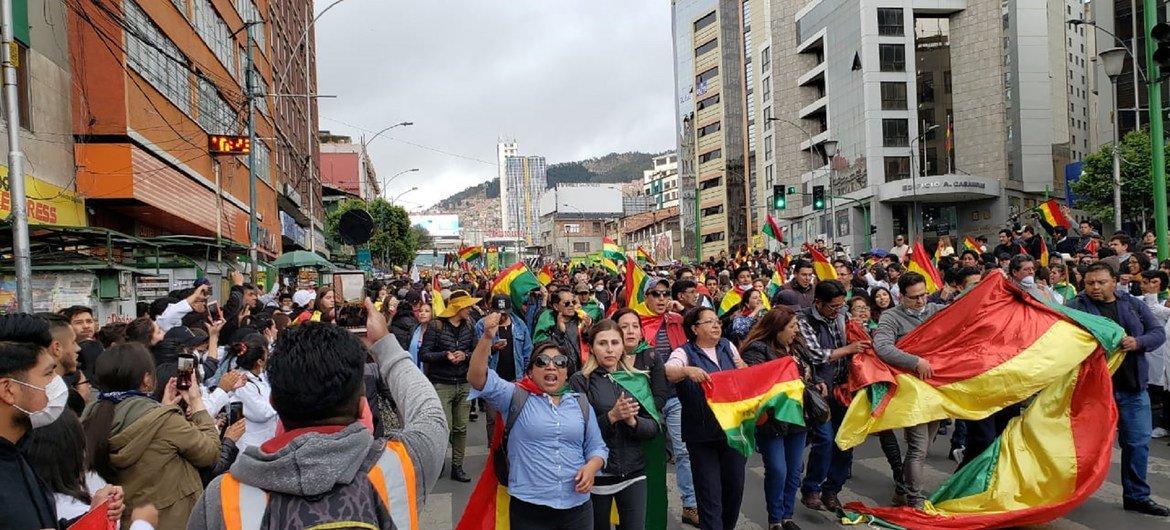
As Bolivia navigates a turbulent political landscape marked by social unrest and economic challenges, the question of its relationship with the United States looms larger than ever. Once a close ally, the ties between La Paz and Washington have been strained in recent years, with ideological differences and diplomatic rifts taking center stage. However, as both nations approach a pivotal year in 2025, there is growing speculation about the potential for a thaw in relations. This article delves into the current crisis in La Paz, examining its implications for bilateral ties, and explores whether upcoming elections and shifts in leadership might pave the way for renewed cooperation between the US and Bolivia.
Exploring the Road to Improved Diplomatic Ties Between the US and Bolivia
As Bolivia grapples with increasing political and social challenges, the potential for renewed diplomatic engagement with the United States emerges as a critical focus for both nations. The strains in their relationship, exacerbated by past tensions over drug policy and political interference, have contributed to an atmosphere of mistrust. However, with the upcoming 2025 elections in Bolivia, there is a glimmer of hope that both governments could approach a more collaborative stance. Key factors that could influence this thaw include:
- Stability in Bolivian Leadership: A more stable government could pave the way for constructive dialogue.
- Shared Economic Interests: Enhanced trade relations, particularly in commodities like lithium, may draw both countries closer.
- Environmental Collaboration: Joint efforts to combat climate change could be a cornerstone of renewed ties.
Moreover, the geopolitical landscape is shifting, prompting the U.S. to reconsider its South American strategies in light of growing Chinese influence in the region. Analysts suggest that the U.S. might prioritize diplomatic initiatives aimed at fostering positive outcomes in Bolivia to counterbalance external influences. A possible roadmap for improved relations could include:
| Initiative | Objective |
|---|---|
| Increased Diplomatic Visits | To build trust and encourage open dialogue. |
| Trade Agreements | Expand economic cooperation and reduce trade barriers. |
| Cultural Exchange Programs | Foster mutual understanding and respect between citizens. |
Key Factors Influencing US-Bolivia Relations Amid Political Turmoil
The relationship between the United States and Bolivia has fluctuated significantly in recent years, especially during periods of political upheaval. Factors such as regional stability, humanitarian concerns, and trade partnerships have played pivotal roles in shaping this bilateral relationship. The ongoing unrest in Bolivia underscores the urgency for the U.S. to navigate the complexities of engaging with a nation grappling with internal strife while promoting democratic principles. Bolivian political factions are increasingly polarized, causing the U.S. to consider its diplomatic approach carefully, to ensure that any support aligns with democratic stability and respect for human rights.
As Bolivia approaches the 2025 elections, a fundamental shift in U.S. strategy may be necessary. Key elements influencing potential rapprochement include:
- Economic Interests: Trade agreements and investment opportunities could emerge as focal points for dialogue.
- Counter-narcotics cooperation: Continued collaboration in combating drug trafficking may serve as a diplomatic bridge.
- Climate change initiatives: Shared environmental goals could foster a more robust partnership.
- Human rights advocacy: The U.S. may leverage its influence to promote social justice and political inclusion.
In this vein, analyzing Bolivia’s key socio-political metrics over the past few years reveals the pressing need for strategic engagement:
| Year | Major Political Event | U.S. Response |
|---|---|---|
| 2019 | Presidential Election Crisis | Suspended assistance and condemned violence |
| 2020 | Return to Democracy | Reinstatement of aid programs |
| 2021 | Ongoing Protest Movements | Support for human rights efforts |
| 2022 | Political Polarization Rises | Calls for dialogue and political stability |
Strategies for Building Trust and Cooperation Ahead of 2025
As tensions have simmered between the United States and Bolivia in recent years, it becomes imperative to explore tangible strategies to foster trust and cooperation. Engagement in diplomatic dialogues can serve as a foundational step. This requires both countries to identify common ground, whether through regional security interests, economic partnerships, or environmental concerns. Advocacy for people-to-people exchanges can further enrich bilateral relationships, enabling citizens of both nations to engage directly, ultimately cultivating a deeper understanding and appreciation for each other’s perspectives.
To facilitate this thaw in relations by 2025, the US could adopt a strategy of economic collaboration, focusing on shared goals like sustainable development and the fight against climate change. By harnessing resources and technologies that both nations excel in, collaborative projects can act as a bridge towards improved relations. Moreover, establishing joint task forces to tackle issues such as drug trafficking and conservation can demonstrate commitment and cooperation. By adopting clear and transparent motives in these initiatives, the groundwork for long-lasting trust can be laid, setting the stage for a more harmonious relationship going forward.
Concluding Remarks
As Bolivia grapples with political volatility and economic challenges, the potential for a thaw in US-Bolivia relations by 2025 raises critical questions about the future of diplomatic engagement in the region. With leadership changes on both sides and a shared interest in addressing pressing issues such as climate change, drug trafficking, and regional stability, there appears to be a window of opportunity for renewed collaboration. However, the path forward is fraught with complexities, including historical grievances and differing policy priorities. As stakeholders watch closely, the coming years will be pivotal in determining whether diplomacy can prevail over discord, paving the way for a more constructive partnership between the two nations. In a world where international relations are constantly in flux, the unfolding dynamics between the US and Bolivia will undoubtedly have far-reaching implications that extend beyond their borders.











