Justice by Vote? Lessons for Mexico from Bolivia’s Judicial Elections
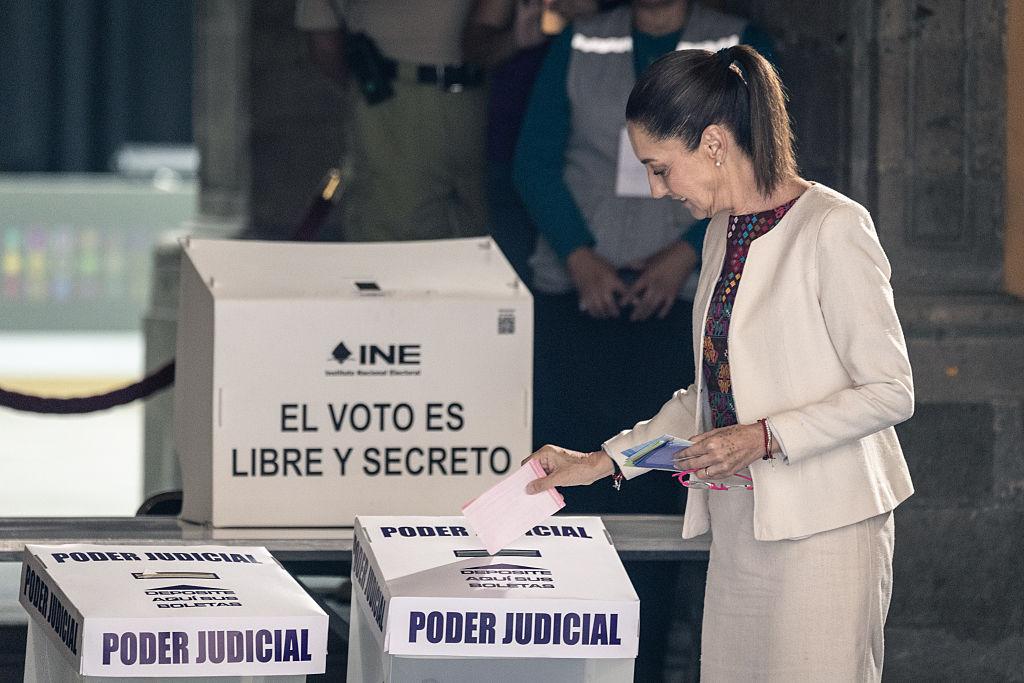
In a pivotal moment for Latin America, Bolivia has cast a spotlight on the intersection of democracy and judicial integrity with its recent judicial elections. As Mexico grapples with its own challenges surrounding judicial independence and the public’s trust in its legal system, the lessons drawn from Bolivia’s experience offer critical insights. Conducted amidst a backdrop of political volatility and societal demand for accountability, these elections raise essential questions about the efficacy of voting as a mechanism for justice. This article delves into the implications of Bolivia’s approach, exploring how these developments resonate within Mexico’s ongoing struggle for a more transparent and impartial judicial framework. Given the intricate ties between justice and democracy, it becomes increasingly vital for Mexico to examine whether electoral processes can enhance or undermine judicial effectiveness in the pursuit of equality and fairness.
Lessons from Bolivia on Judicial Independence and Electoral Integrity
Bolivia has embarked on a transformative journey toward creating a just electoral process, with significant implications for judicial independence. The controversial model of electing judges has pushed the envelope in defining how judicial authority can be shaped by public will. This approach has yielded both achievements and setbacks. Key lessons learned from Bolivia’s experience include:
- Transparency in Electoral Processes: Ensuring that judicial elections are conducted fairly and transparently has proven essential for building public trust.
- Voter Education: Engaging citizens through comprehensive educational campaigns enables them to make informed choices about candidates’ qualifications and integrity.
- Political Influences: The impact of political manipulation on judicial elections emphasizes the need for safeguards against undue influence.
The intersection of judicial independence and electoral integrity offers a vital opportunity for reform in Mexico. By examining Bolivia’s struggles with this balance, Mexico can implement measures to bolster its own judicial framework. A comparative analysis highlights crucial areas for improvement, such as:
| Aspect | Bolivia’s Approach | Potential Application for Mexico |
|---|---|---|
| Selection Methodology | Direct elections for judges | Consider hybrid systems to enhance accountability |
| Monitoring Mechanisms | Independent electoral bodies | Establish oversight committees with civil society representation |
| Public Engagement | Community forums and debates | Foster platforms for civil discourse on judicial candidates |
Evaluating the Impact of Judicial Elections on Justice in Mexico
The recent examination of Bolivia’s judicial elections presents critical insights for Mexico, particularly regarding the relationship between electoral processes and the integrity of the justice system. In Bolivia, the initiative to elect judges has sparked a dialogue about accountability, as the populace gains a direct voice in judicial appointments. This model proposes a duality of responsibility: on one hand, judges must respond to the electorate, while on the other, this may undermine their independence, leading to potential biases reflecting popular sentiment rather than strict legal principles. Key concerns surrounding judicial elections in Bolivia reflect similar apprehensions in Mexico:
- Voter Influence: The risk of popular opinion swaying judicial decisions.
- Political Interference: The potential for partisan politics to infiltrate judicial independence.
- Public Trust: Assessing whether elected judges can bolster or diminish faith in the judiciary.
The challenges faced in Bolivia serve as a cautionary tale for Mexico, where judicial elections could exacerbate existing vulnerabilities. Learning from this South American experience, Mexico might explore alternative models that enhance judicial independence while increasing accountability. For instance, a hybrid system that involves both appointment and electoral mechanisms could create a more balanced approach. The examination of electoral processes, as illustrated in the table below, lays groundwork for proposals tailored to Mexican context:
| Aspect | Bolivia | Mexico (Potential Model) |
|---|---|---|
| Judicial Independence | Moderate | High with a mixed system |
| Public Accountability | High | Moderate with oversight mechanisms |
| Political Interference | High risk | Reduced through independent bodies |
Strategies for Implementing Effective Judicial Reforms in Mexico
To strengthen the judicial system in Mexico, several strategies could be adopted, drawing on Bolivia’s experience with judicial elections. These might include:
- Comprehensive Training Programs: Invest in ongoing education for judges and legal professionals to ensure a knowledgeable and competent judiciary.
- Transparency Measures: Implement systems that enhance transparency in judicial appointments and conduct, allowing for public scrutiny and fostering trust in the system.
- Public Engagement Initiatives: Create platforms for public participation in judicial reform discussions, ensuring that community voices contribute to shaping a responsive judicial framework.
- Accountability Mechanisms: Establish rigorous accountability standards for judges to address misconduct and ensure ethical practices within the judiciary.
Additionally, integrating electoral mechanisms similar to those in Bolivia could provide a unique avenue for reform. This approach could include:
- Direct Electoral Processes: Allowing citizens to vote on judges or judicial appointments, creating a judiciary that reflects the electorate’s values and concerns.
- Periodic Review Elections: Implementing systems where judges are reevaluated at regular intervals to maintain public confidence and address any concerns regarding their performance.
- Public Information Campaigns: Educating citizens about their rights and the judicial process to facilitate informed voting and engagement in judicial matters.
In Conclusion
As Mexico grapples with its own judicial reforms, the lessons learned from Bolivia’s experience with judicial elections offer both caution and inspiration. The dynamics of voter influence on judicial independence highlight the crucial balance between democratic participation and the integrity of the judiciary. As these nations navigate their unique challenges, the outcomes of Bolivia’s journey serve as a valuable reference point for Mexico’s ongoing dialogue on judicial accountability and reform. As the discussions unfold, it remains essential for policymakers, legal experts, and citizens alike to remain vigilant, ensuring that the goals of justice and democracy can coexist harmoniously in shaping the future of Mexico’s judiciary. Ultimately, the quest for a robust, impartial legal system requires more than just a vote-it demands an unwavering commitment to uphold the rule of law.