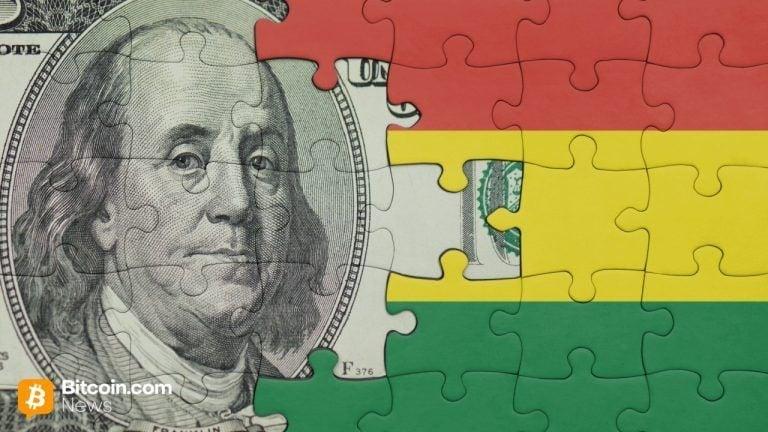
In a rapidly evolving financial landscape, the emergence of stablecoins offers both opportunities and challenges for emerging economies. As highlighted in the recent analysis “Latam Insights Encore: Bolivia Should Embrace Stablecoins Before Stablecoins Embrace It,” published by Bitcoin.com News, Bolivia stands at a pivotal crossroads. With the global adoption of digital currencies accelerating, the time for Bolivian policymakers and financial institutions to reconsider their stance on stablecoins has never been more critical. This article delves into the potential benefits and risks associated with stablecoin integration in Bolivia, emphasizing the importance of proactive engagement in order to harness the potential of this revolutionary financial technology. As the world watches Latin America’s digital currency journey, Bolivia’s decisions today could set the tone for its economic future in the digital age.
The Growing Role of Stablecoins in Latin America’s Financial Landscape
The integration of stablecoins into Latin America’s financial ecosystem continues to gain momentum, with countries like Bolivia presented with an opportunity to enhance their economic framework. Stablecoins, designed to maintain a stable value against traditional currencies or other assets, could serve as a crucial tool for increasing financial accessibility in regions where inflation and currency volatility are rampant. By embracing these digital currencies, local businesses and consumers could benefit from increased transaction efficiency and lower remittance costs.
With growing adoption in neighboring countries, it’s essential for Bolivia to recognize the potential benefits of stablecoins, including:
- Improved liquidity: Stablecoins can provide efficient means to conduct transactions without the delays and costs associated with traditional banking systems.
- Financial inclusion: These digital assets can broaden access to financial services for the unbanked population, enabling them to participate in the economy.
- Cross-border transactions: By utilizing stablecoins, Bolivians can streamline remittances and reduce fees, making it easier for families to receive support from abroad.
As such, governments and regulators in Bolivia should consider creating a conducive environment for the adoption of stablecoins, fostering innovation while educating the populace about digital finance. This proactive approach could position Bolivia on the cusp of a financial revolution, placing it firmly on the map as a contender in the rapidly evolving landscape of digital currencies.
Bolivia’s Unique Economic Context: A Call to Action for Crypto Adoption
Bolivia stands at a crossroads, where embracing stablecoins could invigorate its economy and offer new solutions to long-standing challenges. With the Bolivian economy facing fluctuating inflation rates and a fragile banking system, stablecoins present a viable alternative to traditional finance. These digital assets, pegged to stable currencies, could provide Bolivians with a secure means of transaction, help preserve purchasing power, and enhance cross-border trade efficiencies. The clear stability and reduced volatility that stablecoins offer can serve as a buffer against the economic unpredictability that has plagued the region.
Moreover, the government’s regulatory stance on cryptocurrencies remains hesitant but crucial. To stimulate the economy, officials should consider the following action points to foster an encouraging environment for stablecoin adoption:
- Regulatory Clarity: Establish policies that support the use and exchange of stablecoins.
- Financial Literacy: Promote educational initiatives that inform citizens about the benefits of digital currencies.
- Partnerships: Collaborate with blockchain innovators to integrate stablecoins into everyday transactions.
By taking these steps, Bolivia can harness the potential of stablecoins to build a more resilient economic infrastructure while ensuring that the nation is not left behind in the global cryptocurrency evolution.
Recommendations for Policymakers: Harnessing Stablecoin Potential in Bolivia
To effectively leverage the potential of stablecoins, Bolivian policymakers should consider the following strategies to foster innovation while ensuring consumer protection and financial stability:
- Create a Regulatory Framework: Establish clear guidelines that address the use of stablecoins in transactions, including compliance with anti-money laundering (AML) and know-your-customer (KYC) regulations.
- Promote Financial Inclusion: Encourage partnerships between fintech companies and traditional banks to utilize stablecoins as a means to provide services to unbanked populations.
- Invest in Education: Launch public awareness campaigns to educate citizens about stablecoins, their benefits, and the potential risks involved.
- Foster Innovation Hubs: Set up incubators and accelerators that support startups working on stablecoin solutions, thereby driving local innovation.
Furthermore, analysis of global trends in stablecoin adoption can inspire tailored policies that reflect Bolivia’s unique economic context. A comparative assessment could include:
| Country | Stablecoin Adoption Rate | Key Benefits |
|---|---|---|
| Brazil | 30% | Fast transactions, remittance efficiency |
| Argentina | 45% | Inflation hedge, financial independence |
| Colombia | 25% | Lower transaction fees, increased accessibility |
This data not only underscores the increasing relevance of stablecoins in Latin America but also emphasizes the necessity for Bolivia to act promptly in establishing itself as a regional leader in this emerging financial landscape.
Insights and Conclusions
In conclusion, as Bolivia navigates its path towards digital currency adoption, the potential benefits of integrating stablecoins into its financial ecosystem cannot be overlooked. The insights shared in Latam Insights Encore highlight the pressing need for proactive measures to harness the power of stablecoins, which could provide financial stability and inclusivity in a country marked by economic volatility. By embracing these digital assets, Bolivia could not only bolster its economic resilience but also position itself as a leader in the region’s evolving cryptocurrency landscape. As the conversation around stablecoins continues to grow, it is imperative for Bolivian policymakers and financial institutions to take decisive action before the opportunity slips away. The time for action is now-Bolivia’s future in the digital finance arena depends on it.