
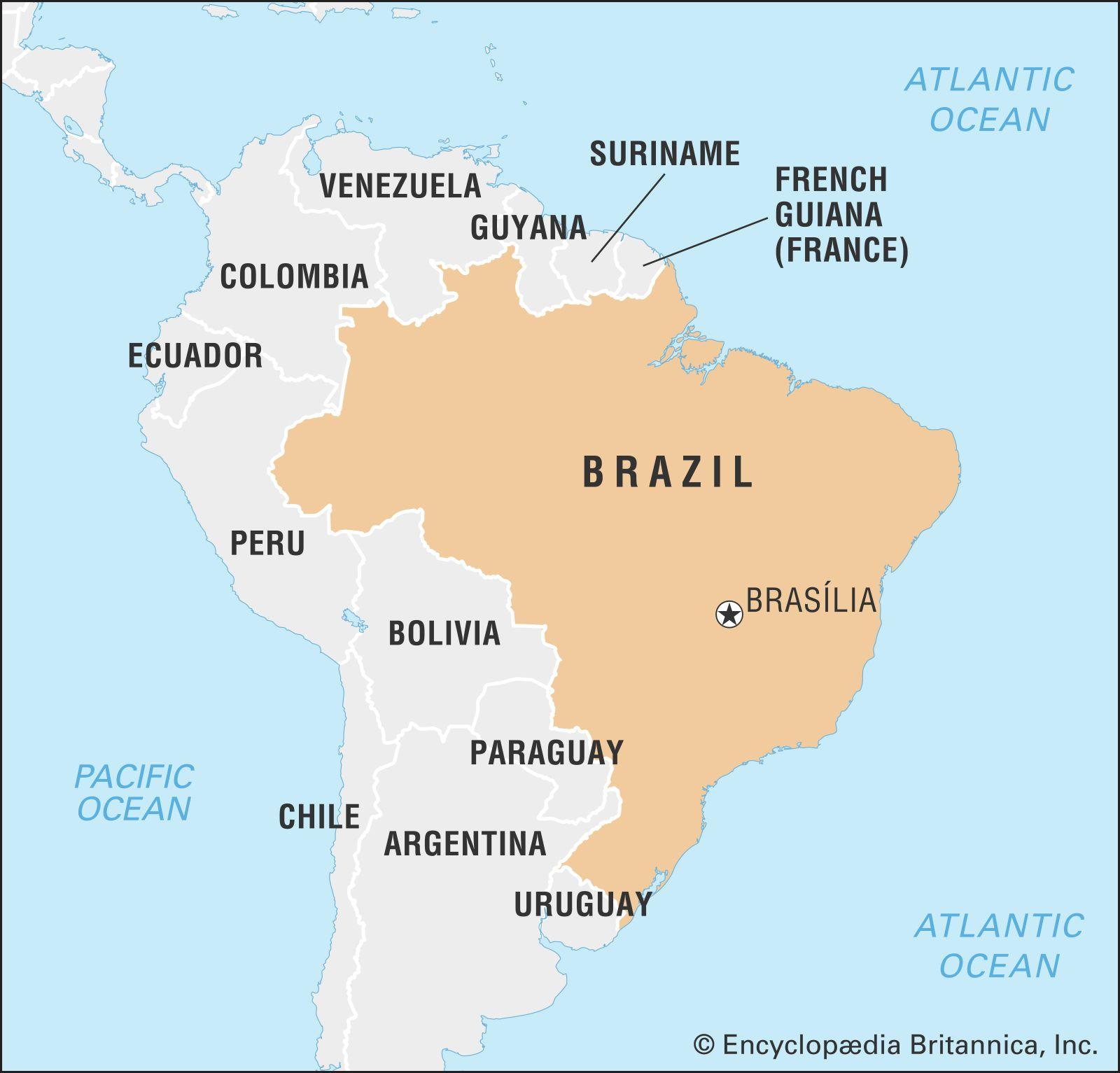
In a transformative shift within the financial landscape of Latin America, Brazil has emerged as a powerhouse in cryptocurrency, with a staggering $318 billion market that has captured global attention. As the leading economy in the region, Brazil’s meteoric rise is largely propelled by the growing use of stablecoins-a digital currency designed to maintain a stable value- which have quietly reshaped the way Brazilians engage with digital assets. This surge not only signifies a new chapter in financial innovation but also highlights Brazil’s strategic positioning in the ever-evolving world of cryptocurrency. In this article, we delve into the factors fueling Brazil’s crypto boom, explore the pivotal role of stablecoins, and examine the implications for the broader economic landscape in Latin America.
Brazil’s Surging Stablecoin Adoption and Its Impact on the Financial Landscape
The rapid rise in stablecoin adoption across Brazil is fundamentally reshaping the country’s financial ecosystem. Driven by factors such as economic volatility, inflationary pressures, and the quest for transactional efficiencies, Brazilians are increasingly turning to stablecoins as a more stable alternative to traditional currencies. This shift is not merely a trend; it represents a seismic change in how financial transactions, savings, and cross-border trades are conducted. With over 60% of crypto users in Brazil opting for stablecoins, the implications for everyday commerce and investment strategies are profound.
Furthermore, the burgeoning demand for stablecoins has compelled local financial institutions to adapt quickly, driving innovation in the sector. Major players, from fintech startups to established banks, are integrating stablecoin functionalities to provide seamless payment solutions and digital wallets for their customers. As a result, the landscape is becoming more competitive, leading to a cascade of new products and services designed to meet the needs of a tech-savvy populace. The emergence of regulation surrounding these digital assets is also promising to legitimize the market, with potential benefits including:
- Enhanced security for users through clear legal frameworks.
- Increased investment from institutional players looking to capitalize on a growing market.
- Broader financial inclusion for unbanked populations through easier access to digital currencies.
Navigating Regulatory Challenges in Brazil’s Expanding Crypto Market
As Brazil’s crypto market experiences explosive growth, navigating the complex regulatory landscape becomes increasingly crucial for investors and firms alike. The government’s evolving stance on cryptocurrencies poses challenges, particularly as it strives to balance innovation with consumer protection. To remain compliant, stakeholders must stay abreast of key regulations that shape the operating environment, including the forthcoming Central Bank Digital Currency (CBDC) initiative and potential taxation frameworks targeting crypto transactions.
Moreover, recent reforms have spotlighted critical areas where regulations are taking shape. Noteworthy features include:
- Consumer Protection Laws: Enhanced measures aimed at safeguarding crypto market participants.
- Licensing Requirements: Stricter criteria are emerging for crypto service providers to ensure transparency and reliability.
- AML and KYC Obligations: Increased scrutiny to mitigate money laundering and fraud within the growing ecosystem.
As the regulatory landscape evolves, clear communication from government entities and engagement with the crypto community will be essential to foster trust and drive sustainable growth in Brazil’s burgeoning digital economy.
Strategic Insights for Investors in Latin America’s Most Dynamic Crypto Economy
As Brazil continues to solidify its position as the leading cryptocurrency market in Latin America, investors are drawn to the factors propelling this growth. Notably, the rise of stablecoins has created a foundation for a stable and efficient crypto ecosystem. Here are key elements for investors to consider:
- Regulatory Framework: Brazil has been proactive in establishing a regulatory environment conducive to innovation while aiming to protect consumers.
- Adoption Rates: The adoption of cryptocurrencies for transactions and remittances has surged, driven by a growing number of companies accepting crypto payments.
- Technological Innovation: Enhanced blockchain technology offers scalability and security, increasing investor confidence in the market.
Furthermore, the vibrant community surrounding crypto in Brazil is a significant asset, with educational initiatives and networking opportunities fostering a collaborative atmosphere. To quantify this burgeoning landscape, a snapshot of the current market dynamics is presented below:
| Key Indicator | Value |
|---|---|
| Total Market Capitalization | $318 Billion |
| Number of Active Crypto Users | 28 Million |
| Leading Stablecoin | Tether (USDT) |
Concluding Remarks
As Brazil solidifies its position as Latin America’s leading cryptocurrency market, the remarkable rise of stablecoins underscores a significant shift in the financial landscape. The $318 billion boom highlights not only the growing acceptance of digital currencies but also reflects a broader trend towards financial innovation and inclusion in the region. With regulatory frameworks evolving and greater adoption among the populace, Brazil’s embrace of crypto serves as a case study for other nations seeking to navigate the complexities of a rapidly changing digital economy. As the future unfolds, stakeholders will need to tread carefully, balancing opportunity with the need for robust safeguards to protect investors and maintain market integrity. The journey of stablecoins in Brazil may just be the beginning of a transformational era in finance across Latin America.











