
How Latin America Is Realigning – A New Era of Regional Dynamics
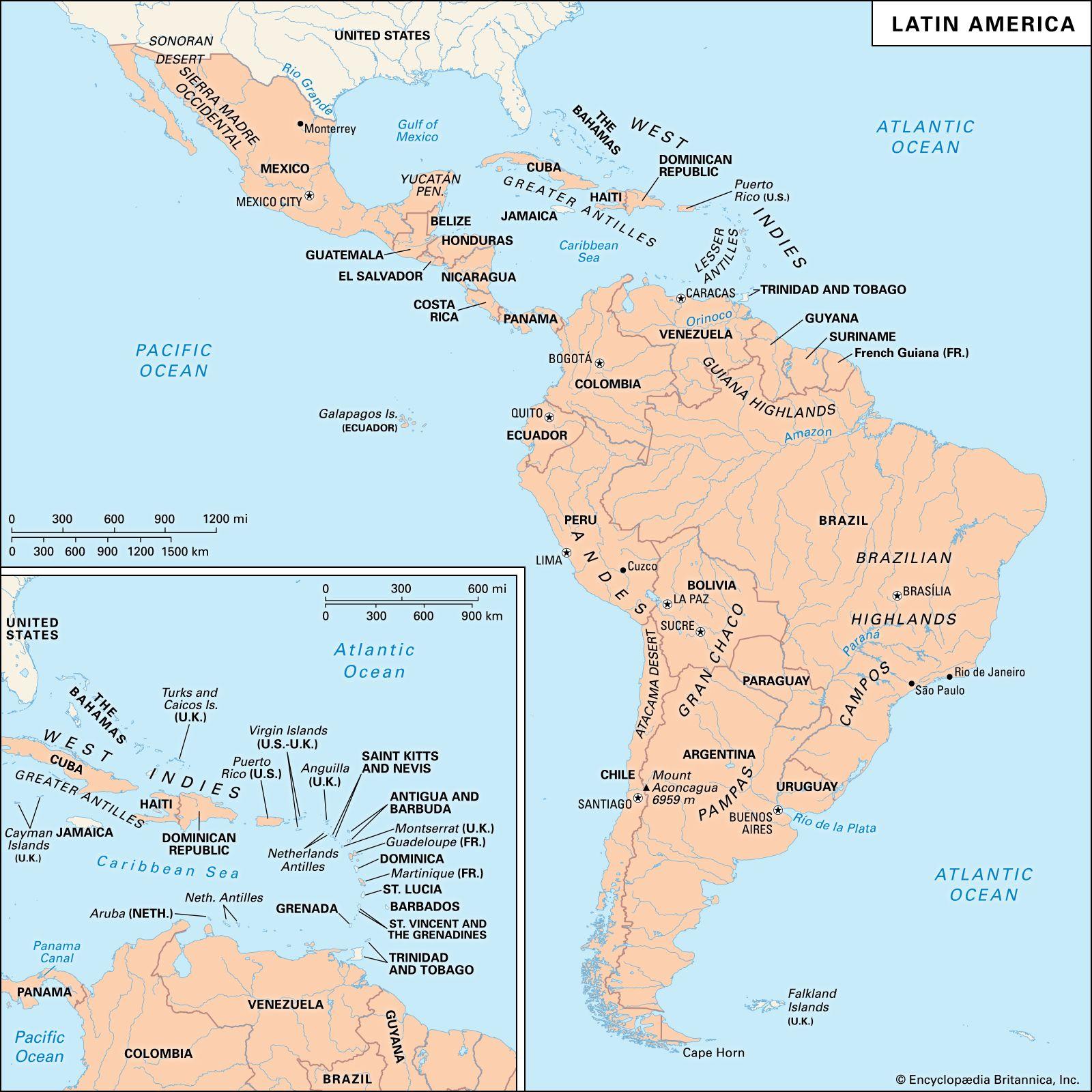
In the evolving landscape of international relations, Latin America stands at a pivotal crossroads. As global power dynamics shift and influential actors recalibrate their strategies, the region is experiencing a profound realignment that could redefine its political, economic, and social trajectories. From rising populism to renewed trade partnerships and the impacts of climate change, Latin American nations are navigating a complex web of challenges and opportunities. In this article, we explore the key trends fueling this realignment, the implications for regional stability and cooperation, and how these developments resonate within the broader context of global geopolitics. With the eyes of the world increasingly fixed on Latin America, understanding this transformation is vital for policymakers, stakeholders, and citizens alike.
Shifting Alliances in Latin America: Understanding the New Geopolitical Landscape
In recent years, Latin America has seen a seismic shift in its geopolitical alliances, reflecting a complex interplay of local and international factors. As traditional power structures evolve, countries across the region have begun to forge new partnerships while reassessing long-standing relationships. The changing dynamics are influenced by various elements, including economic needs, security concerns, and the rising influence of external powers such as China and Russia. Key players like Brazil, Mexico, and Argentina are recalibrating their foreign policies to better align with the emerging global order, leading to an unprecedented level of collaboration and competition among nations. This shift not only redefines intra-regional interactions but also impacts global political narratives, as the West must navigate a multifaceted landscape of alignments that challenge previously established norms.
Several countries are actively seeking closer ties with Asian and Euro-Asian powers, which signifies a departure from the historical reliance on the United States. The emphasis on diversifying trade relationships is one clear example of this trend. Notably, the following factors are central to this realignment:
- Economic Diversification: Countries are looking to expand trade beyond traditional partners.
- Security Cooperation: Nations are enhancing collaborations to tackle shared security threats.
- Cultural Exchange: Growing people-to-people connections with non-Western countries.
This evolving landscape is further illustrated in the table below, which highlights some key partnerships forming in the region:
| Country | New Alliances | Focus Areas |
|---|---|---|
| Argentina | China | Infrastructure Investment |
| Brazil | Russia | Agricultural Cooperation |
| Mexico | India | Technology Exchange |
Economic Transformation and Trade Strategies: Pathways for Growth and Cooperation
In recent years, countries across Latin America have been undergoing significant economic transformations, positioning themselves to adapt to both global and regional market shifts. These transformations hinge on the diversification of trade partnerships and investments aimed at enhancing productivity and innovation. Key strategies being employed include:
- Strengthening Regional Integration: Latin American countries are increasingly recognizing the value of collaboration within regional blocs like Mercosur and the Pacific Alliance.
- Diversifying Export Markets: Traditional exports are being supplemented with technology, renewable energy, and agriculture, targeting emerging markets in Asia and Africa.
- Enhancing Trade Facilitation: Countries are investing in logistics and digital infrastructure to streamline trade processes, reduce tariffs, and attract foreign direct investment (FDI).
This renewed focus on trade strategies not only fosters economic resilience but also paves the way for greater cooperation among nations. A growing trend is the establishment of bilateral agreements aimed at deepening economic ties. For instance, agreements tailored to specific sectors are emerging, allowing countries to specialize in areas of strength such as:
| Sector | Country | Opportunity |
|---|---|---|
| Agriculture | Brazil | Boost exports to Asia |
| Technology | Chile | Innovation partnerships with the U.S. |
| Renewable Energy | Colombia | Joint ventures with European firms |
As these nations redefine their economic landscapes, fostering strategic partnerships will be crucial in realizing sustainable growth. The synergy created through such trade strategies not only mitigates risks associated with global uncertainties but also enhances the competitive advantage of individual countries on the world stage.
Strengthening Democracy and Governance: Recommendations for Sustainable Development
The recent shifts in Latin America necessitate a holistic approach to strengthening democratic institutions and governance frameworks, critical for achieving sustainable development. Policymakers should focus on enhancing transparency and accountability within government operations. This can be achieved through initiatives such as the implementation of open government data portals, which allow citizens easier access to information about public spending and decision-making processes. Furthermore, fostering citizen engagement in governance through mechanisms like town hall meetings and participatory budgeting can empower communities, making them active participants in shaping their own futures.
Partnerships between governments, civil society, and private sector stakeholders are crucial for building resilient political structures. Establishing multi-stakeholder coalitions can address systemic issues such as corruption and public distrust. These coalitions should prioritize establishing robust electoral processes, ensuring fair representation and protecting the integrity of elections. Promoting education on democratic values and civic responsibility is also essential to cultivate informed electorates. The table below outlines key strategies for enhancing governance in the region:
| Strategy | Description |
|---|---|
| Enhance Transparency | Open data portals and transparency initiatives. |
| Encourage Civic Engagement | Town hall meetings and participatory budgeting. |
| Build Coalitions | Multi-stakeholder partnerships to tackle corruption. |
| Robust Electoral Processes | Ensure fair representation and protect election integrity. |
| Civic Education | Programs to promote democratic values among citizens. |
Insights and Conclusions
In conclusion, the evolving landscape of Latin America presents both challenges and opportunities as nations navigate a period of significant realignment. From shifting political alliances to new economic partnerships, regional stakeholders are responding to global pressures and domestic demands with increasing agility. As societies across Latin America adapt and innovate, the outcomes of these transformations will be critical not only for the region but also for its role on the world stage. As underscored in this analysis, the future of Latin America will depend on the collective ability of its nations to harness their unique strengths while fostering collaboration. Staying informed on these developments will be essential for understanding how this pivotal region continues to reshape its identity and influence in a rapidly changing global landscape.









