
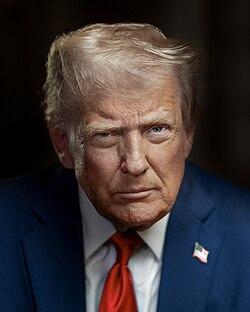
In a significant escalation of tensions, former President Donald Trump has intensified his rhetoric against Brazil, targeting both its economy and political landscape. This latest confrontation comes as the United States grapples with its own domestic challenges, positioning Trump as a vocal critic of Brazil’s current administration while seeking to leverage economic grievances to galvanize support among his base. Analysts suggest that this move is not merely a response to international policy disagreements, but also a calculated strategy to reshape political narratives as the 2024 presidential campaign approaches. As the situation unfolds, questions arise about the potential implications for U.S.-Brazil relations and the broader geopolitical landscape.
Trump’s Strategic Assault on Brazil’s Economic Landscape
In a bold maneuver that has captured international attention, Donald Trump has set his sights on Brazil’s economic framework, implementing measures that threaten the country’s robust agricultural sector and manufacturing industries. Key industries at risk include:
- Agriculture: tariffs on Brazilian imports, especially soybeans, could hinder crop prices.
- Manufacturing: retaliatory tariffs may be imposed, affecting jobs and production rates.
- Tourism: negative rhetoric may deter American tourists, impacting local economies.
These actions not only signify a strategic economic assault but also reflect a deeper political narrative aimed at reshaping alliances in the Western Hemisphere. As Trump’s administration signals a shift from multilateral partnerships, Brazil’s response could pivot to fostering stronger ties with other global players. The implications could be far-reaching, with possible outcomes illustrated in the table below:
| Potential Outcomes | Short-term Effects | Long-term Consequences |
|---|---|---|
| Trade War Escalation | Increased costs for consumers | Shift in export partnerships |
| Political Repercussions | Heightened tensions between nations | Restructured alliances |
| Market Volatility | Stock market fluctuations | Potential recession risks |
Political Ramifications of Trump’s Comments on Brazilian Governance
Former President Donald Trump’s recent remarks concerning Brazilian governance have sent shockwaves through both political circles and economic sectors in Brazil. His comments, which include criticisms of Brazil’s handling of its economy and governance, appear strategically timed to coincide with upcoming elections in the South American nation. With the political climate already tense, his stance has the potential to polarize public opinion, enhance nationalist sentiments among Brazilians, and even impact bilateral relations between the two countries. As Trump’s influence remains potent among certain U.S. constituencies, his statements could embolden right-wing factions in Brazil, encouraging them to adopt more aggressive policies contrary to the current administration.
Moreover, the implications of Trump’s rhetoric extend to the economic landscape of Brazil. Speculative markets may react negatively due to perceived instability, particularly if investors feel the political climate is becoming increasingly polarized and contentious. Analysts point to several areas likely affected by these developments:
- Foreign Investment: Increased skepticism from U.S. investors regarding Brazil’s stability.
- Trade Relations: Potential strains on export agreements as Brazil reassesses its diplomatic strategies.
- Domestic Politics: The risk of electoral turbulence as voices from the opposition gain momentum and rally against perceived foreign interference.
| Impact Area | Potential Effects |
|---|---|
| Investment Climate | Decreased foreign investments |
| Export Markets | Tightening trade nuances |
| Political Stability | Increased polarization |
Navigating the Diplomatic Fallout: Recommendations for Brazil and Allies
In light of the recent escalation in tensions between the U.S. and Brazil, particularly following Trump’s aggressive stance towards Brazilian politics and economic policies, it is imperative for Brazil to adopt a proactive diplomatic strategy. Key steps include:
- Strengthening Alliances: Brazil should deepen its relationships with key allies, particularly in South America and with members of the European Union. Collaborative economic agreements can counterbalance U.S. pressures.
- Diplomatic Engagement: Initiating multi-level discussions with U.S. stakeholders, including senators and business leaders, will help in mitigating misunderstandings and fostering a cooperative dialogue.
- Public Relations Campaign: A focused campaign to enhance Brazil’s image in the global media space could counteract negative narratives being circulated.
Additionally, Brazil and its allies need to prepare for potential economic repercussions. A coordinated response may involve:
- Diversification of Trade Partners: Expanding trade relationships with non-U.S. nations could lessen Brazil’s economic vulnerability.
- Investing in Resilience: Building robust domestic industries will help counteract any potential sanctions or tariffs imposed by the U.S.
- Monitoring Economic Indicators: Establishing a task force to track economic indicators impacted by U.S. policies will allow for swift strategic adjustments.
Wrapping Up
As the tensions between former President Donald Trump and Brazil escalate, the ramifications for both nations could be significant. With Trump leveraging political rhetoric against Brazil’s economic strategies and governance, the potential for strained diplomatic relations looms large. Analysts suggest that this discord could not only impact bilateral trade but also reverberate throughout the international arena, influencing global markets and political alliances. As the situation unfolds, both the United States and Brazil will need to navigate complex geopolitical waters to mitigate fallout and foster stability. Observers remain vigilant, awaiting further developments in this increasingly contentious relationship.











