In an increasingly interconnected global landscape,the relationship between the United States and Brazil stands at a critical crossroads. Historically, these two nations have been significant players in the Americas, sharing not only economic ties but also political aspirations.Though, recent developments suggest that U.S.-Brazil relations have reached an impasse, marked by tensions over trade policies, environmental concerns, and divergent foreign policy priorities. As both countries navigate the complexities of their bilateral engagement, understanding the current state of affairs is crucial. This article delves into the factors contributing to this stalemate, examining the implications for both domestic agendas and broader regional stability, as well as potential pathways for rejuvenating this vital partnership in the face of evolving international dynamics.
Examining the roots of U.S.-Brazil Diplomatic Strains
The diplomatic relationship between the United States and Brazil has long been characterized by a mix of collaboration and tension.Understanding the underlying factors contributing to these strains is essential for both nations moving forward. Several key issues have historically influenced bilateral relations:
- Economic Competition: Economic interests often clash, notably in areas like agriculture and energy. the U.S. and Brazil are major players in the global agricultural market, leading to disputes over tariffs and trade policies.
- Environmental Policies: Disagreements over environmental management, particularly regarding the Amazon rainforest, have sparked conflicts. U.S. criticism of Brazilian policies is often met with accusations of American hypocrisy, particularly given historical U.S. actions that have contributed to global environmental challenges.
- Foreign Policy alignment: Differences in approach to international issues, such as relations with China and Venezuela, have added tension. Brazil’s autonomous foreign policy sometimes runs counter to U.S. interests, complicating cooperative efforts.
Moreover, the changing political landscape in both countries is exacerbating these strains. With leadership styles that often diverge significantly, recent administrations have brought new priorities and perspectives that complicate ongoing diplomatic dialog. A lack of effective communication channels further hinders cooperation, leading to misunderstandings and miscalculations.
Examining these dynamics reveals a complex web of historical grievances and contemporary challenges that must be navigated for the relationship to improve. both nations stand to gain from more robust dialogue and a willingness to understand each other’s positions and constraints.Addressing these deep-rooted issues may require significant diplomatic efforts but could ultimately foster a more productive partnership.

Impact of Economic Policies on bilateral Trade Relations
The evolution of economic policies significantly shapes the landscape of bilateral trade relations, and this is particularly evident in the context of U.S.-Brazil relations. Shifts in trade agreements, tariffs, and regulatory frameworks can either enhance or impede the flow of goods and services between these nations. Recently, both countries have pivoted towards more protectionist policies, creating an environment of uncertainty that stifles mutual investment and trade growth.
Brazil, inspired by its own economic reforms, has sought to engage in more strategic partnerships that emphasize innovation and sustainability. Though, U.S. policies under recent administrations have oscillated, frequently enough prioritizing domestic industries over international cooperation. This has resulted in:
- Increased tariffs</ on goods,impacting exports from both sides.
- Regulatory alignment challenges, complicating trade in agricultural products.
- Negotiations on bilateral agreements stalling over differing economic priorities.
Furthermore, the implications of climate change policies are becoming increasingly central to trade discussions. Brazil’s commitment to environmental sustainability, exemplified by its initiatives in preserving the Amazon rainforest, stands in contrast to U.S. economic interests that are often less stringent. as both nations navigate these complexities, the economic policies adopted will be crucial in determining whether a constructive dialogue can be fostered. As seen in the table below, the trade balance between the two countries reflects these tensions:
| Year | U.S. exports to Brazil (in billion $) | Brazil Exports to U.S. (in billion $) | Trade Balance (in billion $) |
|---|---|---|---|
| 2020 | 29.5 | 27.4 | 2.1 (Surplus) |
| 2021 | 30.5 | 34.2 | -3.7 (Deficit) |
| 2022 | 35.0 | 32.6 | 2.4 (Surplus) |
The shifting trade balance provides critical insights into the ongoing negotiations and policy decisions faced by both nations. until a stable economic framework is established, both the U.S. and Brazil will continue to face hurdles that limit their potential for expanded trade and investment opportunities.
Environmental Concerns and Their Role in Political Discourse
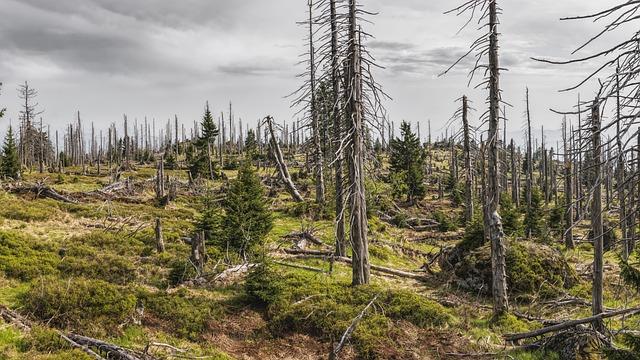
As global awareness of climate change grows, environmental issues have gained traction in shaping political narratives.In the context of U.S.-Brazil relations, these concerns have sparked heated debates, particularly regarding policies that govern deforestation in the Amazon rainforest. The Amazon serves as a critical carbon sink, and any perceived neglect of its protection has the potential to strain bilateral relations.
in recent years, several key factors have underscored the intertwining of environmental policies and political discourse:
- Deforestation Rates: The alarming increase in deforestation in the amazon has prompted international backlash, affecting Brazil’s diplomatic standing with the U.S. and other nations.
- Climate Commitments: Both countries have made commitments under international accords, such as the Paris Agreement, but differing approaches to climate change have led to friction.
- Indigenous Rights: The protection of indigenous land rights is increasingly viewed as integral to environmental conservation, complicating U.S.-brazil negotiations.
This dynamic has been reflected in recent political rhetoric from both countries. The U.S. has urged Brazil to take stronger action against environmental degradation, while Brazilian leaders often emphasize national sovereignty in managing their natural resources. Such contrasting views not only affect trade discussions but also influence public perception and domestic policy.
| Issue | U.S. Stance | Brazil Stance |
|---|---|---|
| deforestation | Promote stricter protections | Ensure economic development |
| Climate Agreements | Seek stronger compliance | Prioritize national interests |
| Indigenous Rights | Support land protections | Focus on development and growth |

Navigating Human Rights Issues in U.S.-Brazil Engagement
The relationship between the United States and Brazil is presently at a crossroads, with human rights issues significantly influencing bilateral dialogues. Both nations have historically championed the importance of democratic governance and the protection of basic human rights.However,differing approaches and priorities have created friction,complicating collaborative efforts.
In recent years, prominent issues have emerged that underscore the need for a shared commitment to human rights principles. examples include:
- Indigenous Rights: Protection of indigenous lands and cultures has become a contentious point,especially with increasing exploitation of natural resources in the Amazon.
- Racial Inequality: Both countries grapple with entrenched systemic racism, yet approaches to address these disparities diverge significantly.
- Political freedoms: Concerns over political repression impact public discourse, with activists in both nations often facing threats and violence.
To effectively navigate these issues, both governments must foster open channels of communication. Diplomatic initiatives should include:
- Joint Committees: Establishing permanent dialogue groups to specifically focus on human rights can facilitate continuous engagement.
- Multilateral Partnerships: Collaborating with regional organizations and NGOs to create a unified stance on human rights can enhance accountability.
- Public Awareness Campaigns: engaging citizens through educational campaigns on human rights can promote empathy and action.
| Key Human Rights Issues | Impact on U.S.-Brazil Relations |
|---|---|
| Indigenous Rights | Potential diplomatic strains if left unaddressed |
| Racial Inequality | Risk of discord in public and political perception |
| Political Freedoms | Challenges to mutual support in international forums |
Strategies for Rebuilding Trust and Cooperation
to move past the current impasse in U.S.-Brazil relations, both nations must prioritize rebuilding trust and fostering a spirit of cooperation. Central to this endeavor is the establishment of open communication channels that allow for transparency and dialogue.Regular bilateral meetings involving key stakeholders can help identify mutual interests while clarifying concerns. These engagements should focus on:
- Joint Policy Formulation: Crafting policies that align with the priorities of both nations, particularly in areas like climate change, trade, and security.
- Public Diplomacy Initiatives: Promoting cultural exchanges and educational programs that foster people-to-people ties, helping to bridge the gap in perception and understanding.
- Joint Task Forces: establishing collaborative task forces aimed at tackling pressing issues such as deforestation in the amazon or public health challenges that affect both countries.
Moreover, honoring past agreements and commitments can serve as a foundation for developing a renewed relationship. A meticulous review and acknowledgment of agreements such as the U.S.-Brazil Joint action Plan can pave the way for future collaboration. To facilitate this, a transparent accountability framework should be established, ensuring both nations are held to their commitments. The table below highlights potential areas of cooperation and relevant agreements:
| Area of cooperation | Relevant Agreement | Potential Benefits |
|---|---|---|
| Trade | U.S.-Brazil Trade Show | Increased tariffs and reduced trade barriers. |
| Climate Action | Paris Agreement | Joint strategies for emissions reduction. |
| Health Security | U.S.-Brazil Health Alliance | Shared resources for pandemic preparedness. |
Ultimately, fostering a climate of mutual respect and cooperation will require sustained effort from both the U.S. and Brazil. By committing to transparent dialogue and collaborative initiatives, these nations can revitalize their relationship and work towards shared goals in a rapidly evolving global landscape.

Future Prospects for Strengthening Inter-American Relations
The potential for revitalizing U.S.-Brazil relations hinges on a series of strategic initiatives aimed at fostering greater collaboration and mutual understanding between the two nations. Both governments should prioritize diplomatic channels that encourage dialogue on pressing global issues, which could include:
- Economic Collaboration: Exploring trade agreements that reflect the changing dynamics of the global economy, focusing on technology, renewable energy, and enduring agriculture.
- Climate Change Initiatives: Partnering on environmental policies that not only address climate change but also bolster both countries’ positions in international negotiations.
- Security Cooperation: Strengthening ties to combat organized crime and enhance regional security, leveraging Brazil’s strategic location to foster regional stability.
- Cultural Exchange programs: Enhancing people-to-people connections through educational and cultural initiatives that promote mutual respect and understanding.
Moreover, engaging in multilateral forums could serve as a platform for both countries to not only articulate their shared interests but also to mediate their differences. In a world increasingly characterized by geopolitical tensions, U.S.-Brazil partnership could serve as a stabilizing force in Latin America. Joint participation in organizations such as the Institution of American States (OAS) or the Union of South American Nations (UNASUR) can help both nations to advocate for regional integration and solidarity.
To effectively address the current impasse, both nations may benefit from establishing a bilateral task force utilizing key stakeholders from government, academia, and industry. This task force could focus on:
| focus Area | Key Objectives |
|---|---|
| Innovation | Promote joint research and development projects in technology. |
| Education | Facilitate exchange programs for students and professionals. |
| Energy | Collaborate on renewable energy projects and initiatives. |
| Health | Jointly address public health challenges and respond to crises. |
By committing to these collaborative efforts and emphasizing shared values, both the United States and Brazil can move beyond the current stalemate, paving the way for a robust and resilient inter-American relationship that champions innovation, sustainability, and collective progress.
In Conclusion
As U.S.-Brazil relations find themselves at a crossroads, the implications extend far beyond the bilateral ties between these two nations. The intricate interplay of political, economic, and environmental factors serves as both a challenge and an prospect for leaders on both sides to recalibrate their strategies and foster meaningful dialogue. with Brazil’s pivotal role in regional dynamics and the U.S.’s longstanding influence in global governance, reaching a mutual understanding is paramount.
Looking ahead,it remains crucial for both countries to engage in constructive discussions that transcend current impasses,addressing pressing issues such as trade,climate change,and democratic stability.The stakes are high, not only for the nations involved but also for the broader inter-American community. As experts continue to analyze the path forward, the hope is that both governments will prioritize collaboration over contention, recognizing that a cooperative future holds the potential for shared prosperity and increased global stability.The coming months will be crucial for determining whether U.S.-Brazil relations can move from stalemate to synergy, ushering in a new era of partnership that benefits both nations and their citizens.