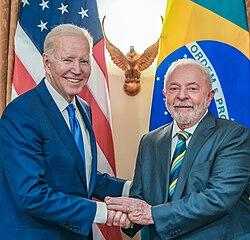
In an era marked by shifting geopolitical alliances and economic realignments, the long-standing tensions between the United States and Brazil are drawing increasing scrutiny for their potential implications on global financial systems. As both nations grapple with political and economic challenges, their discord may serve as a catalyst for accelerating the process of de-dollarization-an effort to reduce reliance on the U.S. dollar in international trade and finance. With Brazil exploring opportunities to strengthen trade ties with other nations, particularly in the BRICS framework, analysts are watching closely to see how this feud could influence not just bilateral relations, but also the broader landscape of global currency dynamics. In this context, the implications of the U.S.-Brazil feud extend far beyond national borders, signaling a potential shift in the very foundations of global economic power.
U.S.-Brazil Tensions: Analyzing the Economic Implications of Currency Alternatives
The escalating tensions between the United States and Brazil have prompted both nations to reevaluate their economic strategies, particularly regarding currency usage in global trade. As Brazil grapples with economic pressures, it is increasingly looking toward alternative currencies to reduce dependency on the U.S. dollar. This shift not only reflects a response to geopolitical friction but also highlights a broader move towards de-dollarization that other nations may soon adopt. By fostering stronger economic ties with nations like China and Russia, Brazil is positioning itself to conduct bilateral trade in currencies that bypass the dollar, thereby minimizing the impact of American sanctions and fiscal policy shifts.
Several economic implications arise from this growing trend. The potential for a multi-polar currency environment could lead to increased exchange rate volatility and reshape international trade dynamics. Here are some key points to consider:
- Increased Trade in Local Currencies: Countries may prioritize trading in their own currencies, which could alleviate foreign exchange risks.
- Impact on Dollar Dominance: A shift towards alternative currencies might challenge the U.S. dollar’s status as the world’s primary reserve currency.
- Investment Shifts: Investors may look to diversify their portfolios as reliance on the dollar diminishes, leading to potential market fluctuations.
To illustrate the potential impact of these shifts, consider the following table:
| Impact Area | Possible Changes |
|---|---|
| Trade Balance | Possible increase in local currency agreements |
| Inflation Risk | Potential for higher inflation in dollar-dependent economies |
| Foreign Investment | Shift in investor behavior towards non-dollar assets |
Regional Responses: How Other Latin American Nations Might Follow Brazil’s Lead
As Brazil embarks on its journey towards de-dollarization, other Latin American nations are keenly observing the unfolding developments. Countries like Argentina, Chile, and Mexico may consider similar strategies to assert their economic sovereignty. With the U.S. dollar traditionally dominating trade in the region, the potential ripple effects of Brazil’s shift could encourage these nations to explore alternative currencies for bilateral trade. Observers note that these nations may leverage regional trade agreements and bloc partnerships to minimize their reliance on the dollar, creating a multi-currency trade landscape that promotes local currencies.
A notable element in this shift is the growing inclination towards barter and cooperative trade agreements, which could lead to a decrease in transaction costs and enhance trade facilitation among neighboring countries. Potential actions may include:
- Negotiating bilateral trade deals that prioritize local currencies.
- Forming economic alliances to strengthen collective bargaining power.
- Establishing currency swap agreements to stabilize exchange rates.
Moreover, the establishment of a regional digital currency could facilitate cross-border transactions without the need for U.S. dollar conversion, setting a precedent that might draw in other South American countries. As nations like Venezuela and Bolivia wrestle with their own economic challenges, the idea of a united front against dollar dominance becomes increasingly appealing. The time may be right for a transformation in how Latin American nations engage economically, heralding a new era of financial autonomy.
Strategic Recommendations: Navigating the De-Dollarization Trend for Global Financial Stability
As the geopolitical landscape shifts, it is imperative for financial stakeholders to adopt a proactive approach in addressing the implications of the de-dollarization trend. This phenomenon, accelerated by tensions such as the recent U.S.-Brazil feud, calls for a nuanced understanding of currency fluctuations and emerging markets. Here are some strategic recommendations for navigating this transitional period:
- Strengthening Bilateral Trade Agreements: Nations should prioritize cooperation through trade agreements that facilitate transactions in local currencies. This reduces reliance on the U.S. dollar and mitigates risks associated with currency volatility.
- Diversifying Currency Reserves: Central banks should consider diversifying their reserves by increasing holdings in non-dollar denominated currencies, such as the euro and regional counterparts, to minimize exposure to dollar fluctuations.
- Investing in Digital Currencies: Governments and financial institutions should explore the issuance of central bank digital currencies (CBDCs) to bolster domestic financial independence and streamline cross-border transactions.
To effectively implement these strategies, collaboration among nations and financial institutions is crucial. A potential framework for enhancing global financial stability can be summarized as follows:
| Action Item | Expected Outcome |
|---|---|
| Develop Local Currency Frameworks | Increased trade efficiency and reduced transaction costs. |
| Expand Regional Financial Institutions | Greater financial stability and support for local economies. |
| Foster Innovation in Payment Systems | Enhanced speed and security in cross-border payments. |
Key Takeaways
In conclusion, the escalating feud between the United States and Brazil serves as a critical juncture in the broader conversation about de-dollarization and the evolving dynamics of global finance. As both nations navigate escalating tensions over trade, environmental policies, and geopolitical influence, the ripples of their discord could accelerate a shift away from the dollar as the world’s primary reserve currency. This ongoing situation not only highlights the complexities of U.S.-Latin American relations but also underscores the potential for emerging powers like Brazil to reshape the global economic landscape. Observers will need to keep a close watch on this development, as the implications extend far beyond bilateral disagreements, potentially heralding a new era in international monetary policy. As the world’s financial architecture continues to adapt to these geopolitical shifts, the consequences of this feud will likely be felt across markets and industries well into the future.