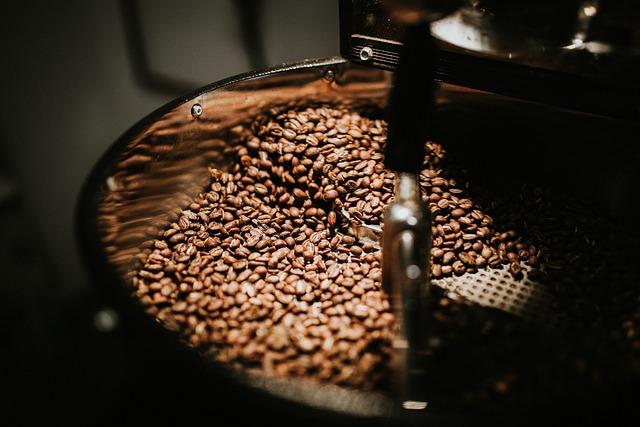
In a rapidly changing landscape for global coffee markets, U.S. roasters are facing a significant challenge as they deplete their coffee inventories in anticipation of a pivotal trade agreement with Brazil. As the world’s largest coffee exporter, Brazil’s role in the supply chain is critical, and the current uncertainty surrounding tariffs and trade policies has put immense pressure on American coffee producers and retailers. With domestic stocks dwindling, industry leaders are closely monitoring legislative developments and market trends, hoping for a resolution that could stabilize prices and ensure a steady flow of one of the most beloved beverages in the world. This article explores the implications of the brewing trade negotiations and the potential ramifications for U.S. coffee roasters and consumers alike.
US Coffee Roasters Face Supply Shortage Amid Brazil Trade Negotiations
The ongoing negotiations surrounding trade agreements with Brazil are causing significant disruption in the coffee supply chain, leading U.S. roasters to deplete their stockpiles at an alarming rate. With Brazil being the world’s largest coffee producer, the stakes have never been higher. Many roasters are now facing tough decisions as they grapple with uncertainties in sourcing their raw materials, ultimately impacting their production capacity and product offerings. As they await clarity on tariffs and export regulations, industry insiders report an increasing reliance on alternative origins, albeit with mixed success in maintaining quality and flavor profiles.
Experts highlight several factors contributing to this dilemma, including:
- Unpredictable Weather Patterns: Adverse conditions in Brazil have raised concerns about future harvest yields.
- Increased Global Demand: As coffee consumption continues to rise, the pressure mounts on current supplies.
- Logistical Challenges: Ongoing disruptions in shipping and transportation add layers of complexity to the supply chain.
As these elements unfold, it’s critical for roasters to adapt quickly. Some companies are even resorting to strategic partnerships and contracts with smaller producers in hopes of securing their coffee needs while navigating the uncertainties. The industry’s resilience is being tested, and many eyes are on Brazil as the negotiations continue.
Impacts of Brazil’s Coffee Production on Domestic Markets and Prices
The ongoing fluctuations in Brazil’s coffee production directly influence domestic markets, as the country is the world’s largest producer of coffee beans. When harvest forecasts are strong, it typically leads to a decrease in coffee prices. Conversely, adverse weather conditions or disease outbreaks can significantly cut production levels, driving prices up as domestic roasters rush to secure their supplies. This relationship can create a volatile trading environment, and local consumers often feel the impact as retail prices fluctuate in tandem with market prices.
Currently, Brazilian coffee farmers are facing several challenges that could alter this balance. The effects of climate change, alongside economic fluctuations, have made coffee cultivation less reliable. Factors such as increased labor costs, transportation issues, and exchange rate volatility are also contributing to an unpredictable market. As roasters in the US deplete their reserves, they are waiting anxiously for trade agreements that could stabilize these prices. The pressure is mounting, leading to a potential increase in price passes along to consumers. This situation highlights the interconnectedness between Brazil’s coffee production and the global coffee market, making it essential for stakeholders to remain vigilant in this dynamic landscape.
| Factors Impacting Prices | Impact Level |
|---|---|
| Weather Conditions | High |
| Labor Costs | Medium |
| Transportation Costs | Medium |
| Exchange Rate Fluctuations | Medium |
Strategies for Roasters to Mitigate Risks During Trade Uncertainties
As the uncertainty surrounding trade deals continues to impact the coffee market, roasters must adopt strategic approaches to navigate these challenges effectively. One such avenue is diversifying supply chains to mitigate dependency on specific regions. By sourcing from a broader range of suppliers, roasters can reduce exposure to fluctuations that might arise due to trade negotiations. This diversification not only stabilizes supply but also enhances the product offering, providing customers with varied flavor profiles and experiences.
Moreover, building strong relationships with producers can serve as a crucial buffer against market volatility. Engaging directly with coffee farmers and cooperatives fosters trust and can lead to more favorable terms during tight supply scenarios. Additionally, embracing forward contracts allows roasters to lock in prices ahead of time, creating a safeguard against potential price hikes. Implementing these strategies-alongside maintaining an eye on market trends-can empower roasters to manage risks effectively while navigating the current unpredictability surrounding Brazilian coffee trade.
To Wrap It Up
In conclusion, the urgent demand from U.S. coffee roasters for Brazil’s premium beans underscores the complexities of global trade and the intricate dynamics of the coffee market. As stakeholders navigate the uncertainty surrounding the latest trade negotiations, the implications of a deal-or the lack thereof-could resonate through the coffee supply chain, influencing prices and availability for consumers. With the current depletion of stocks, all eyes remain on Brazil, where both industry leaders and aficionados alike are hoping for a resolution that will restore stability to a market facing unprecedented challenges. As the story unfolds, the coffee community awaits further developments in what has become yet another critical chapter in the ongoing saga of coffee trade relations.