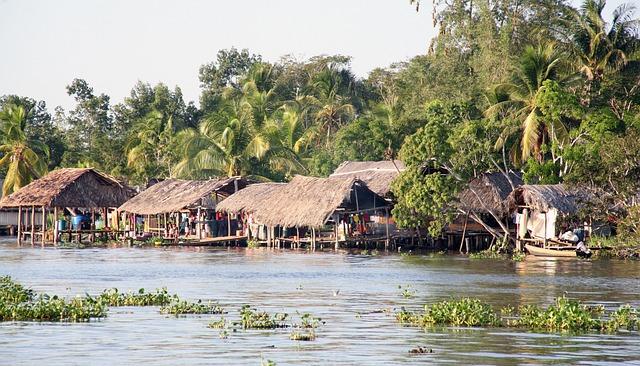
In a significant development on the geopolitical front, Venezuela has announced the temporary closure of its border with Brazil in response to a recent military strike attributed to the United States. This decision has raised tensions in an already volatile region and is part of a broader narrative surrounding U.S. foreign policy and its implications for Latin America. The announcement comes amid heightened concerns about national security and regional stability, as Venezuelan authorities cite the need to protect their sovereignty in the wake of what they describe as aggressive actions by foreign powers. As both nations navigate this diplomatic impasse, the international community watches closely, aware of the potential repercussions this move could have on bilateral relations and humanitarian efforts in the region.
Venezuela’s Border Shutdown: Implications for Regional Stability and Trade
The recent closure of the Venezuelan border with Brazil has raised significant concerns about the ensuing implications for both regional stability and trade. The abrupt decision, taken in the wake of a US airstrike in the area, has not only disrupted the daily lives of thousands on both sides of the frontier but also threatens to exacerbate existing tensions within a region already grappling with political and economic crises. The move has prompted immediate responses from neighboring countries, stressing the need for diplomatic discussions to mitigate the fallout and restore essential cross-border cooperation.
In the wake of the border closure, economic activity between Venezuela and Brazil has stalled, potentially leading to shortages of essential goods across both nations. The long-standing relationships formed through trade agreements now hang in the balance, showcasing the fragility of regional partnerships. To better understand the impact of this border shutdown, consider the following factors:
- Humanitarian Concerns: An estimated 5 million Venezuelans have fled their country, making border crossings vital for survival.
- Illegal Trade Networks: The closure may lead to a surge in illicit trafficking as desperate citizens seek essential supplies.
- Political Tensions: The situation may escalate existing geopolitical rifts, drawing in regional powers to take sides.
In response to these developments, regional leaders are calling for urgent diplomatic engagements. A recalibration of trade possibilities along the border may be necessary to address not only immediate fallout but also long-term strategies for peacebuilding and economic recovery. Below is a brief overview of the current trade dynamics that could be affected:
| Country | Key Exports | Key Imports |
|---|---|---|
| Venezuela | Oil, Minerals | Food, Medication |
| Brazil | Agricultural Products | Fuel, Machinery |
Analyzing the U.S. Strike’s Impact on Venezuelan-Brazilian Relations
The recent U.S. airstrike has dramatically altered the geopolitical landscape between Venezuela and Brazil, leading to an unexpected yet significant closure of their shared border. This move came as a response to heightened tensions following the strike, which has been interpreted by Venezuelan authorities as a violation of their sovereignty. Venezuela’s government has emphasized the following points in its justification for closing the border:
- Security Concerns: Officials claim the closure is necessary to protect citizens from potential spillover violence.
- Diplomatic Pressure: Venezuela seeks to signal to Brazil that it will not accept perceived aggression from external forces.
- Shift in Policy: The crisis may prompt a reevaluation of Venezuela’s approach to bilateral relations.
Meanwhile, Brazil faces its own dilemma regarding how to respond to this new phase of isolation. Brazilian leaders must balance their interests in the region with domestic stability and international reputation. As discussions unfold, analysts suggest that the border closure could lead to:
- Increased Smuggling: The closure may inadvertently encourage black-market trade across other less-monitored points.
- Humanitarian Crises: Disruptions to supply chains could exacerbate an already dire situation for Venezuelans reliant on cross-border resources.
- Regional Alliances: Brazil might strengthen ties with other neighboring countries that seek stability and peace in the region.
| Impact Factor | Venezuelan Response | Brazilian Reaction |
|---|---|---|
| Security | Border Closure | Heightened Patrols |
| Trade | Disruptions | Increased Smuggling |
| Diplomacy | Strained Relations | Calls for Dialogue |
Strategic Recommendations for Diplomatic Engagement in the Wake of Tensions
In the wake of heightened tensions following the US strike and Venezuela’s decision to temporarily close its border with Brazil, it is imperative for diplomatic stakeholders to adopt a nuanced approach for engagement. Building on existing channels of communication while also exploring new avenues for dialogue can help de-escalate the situation. Key strategies include:
- Reinforcing Multilateral Cooperation: Engaging regional organizations such as CELAC and UNASUR to foster dialogue and present a unified front against foreign interventions.
- Facilitating Bilateral Talks: Encouraging direct conversations between the Venezuelan and Brazilian governments, potentially mediated by a neutral third party.
- Public Diplomacy Initiatives: Utilizing social media and international forums to promote messages of peace and stability, counteracting misinformation.
The importance of understanding the geopolitical context cannot be overstated; actors must be sensitive to the socio-economic factors driving the crisis. A comprehensive approach that includes humanitarian considerations is essential. Potential focus areas could involve:
| Focus Area | Description |
|---|---|
| Humanitarian Assistance | Coordination of aid to address shortages and ensure basic needs are met, particularly in border communities. |
| Economic Dialogue | Exploring avenues for economic collaboration that can alleviate pressures on the Venezuelan economy. |
| Cultural Exchanges | Promoting cultural initiatives to foster understanding and reduce animosity between nations. |
Insights and Conclusions
In conclusion, the temporary closure of Venezuela’s border with Brazil in response to the recent US military strike marks a significant escalation in regional tensions. Venezuelan authorities have cited security concerns and a need to protect national sovereignty as the reasons for this decisive move. As both nations navigate the complexities of diplomatic relations amidst external pressures, the implications of this border closure extend beyond immediate security, potentially impacting humanitarian efforts and the flow of goods. Stakeholders in the region and international observers will be closely monitoring the situation, as Venezuela seeks to assert its stance while grappling with internal challenges and external threats. The future of cross-border relations hangs in the balance as political dynamics continue to evolve.