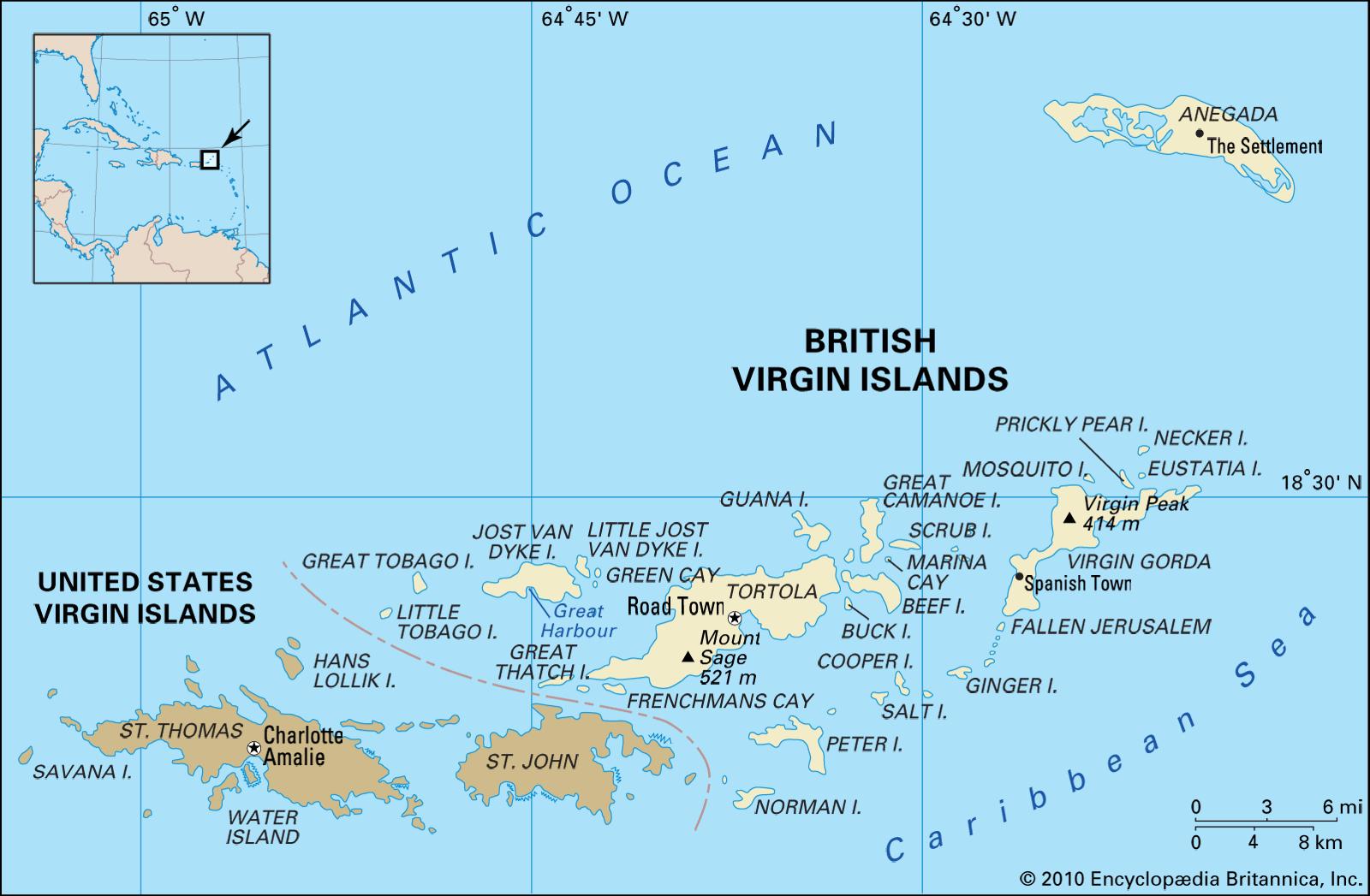
In a significant decision regarding the governance of the British Virgin Islands (BVI), the UK government has opted against implementing direct rule over the territory, following a thorough assessment of its political landscape and ongoing reforms. The announcement, made against the backdrop of recent challenges related to governance and transparency in the Caribbean territory, reflects a delicate balance between ensuring accountability and respecting the islands’ autonomy. This move comes as BVI officials have expressed their commitment to tackling issues of corruption and governance, and it raises critical questions about the future relationship between the British territory and its colonial overseer. The decision has sparked a renewed conversation about self-governance, political stability, and the implications for the residents of the BVI as they navigate their path forward.
British Virgin Islands Maintain Autonomy as UK Shuns Direct Governance
The decision by the United Kingdom to refrain from imposing direct rule over the British Virgin Islands marks a significant moment in the relationship between the territory and the UK. Local governance continues to operate under its own elected officials, allowing the islands to maintain their political autonomy while fostering a sense of self-determination. This move follows extensive discussions regarding governance frameworks and the need for a collaborative approach to addressing issues, especially concerning transparency and financial management in light of recent scandals. The territories are now positioned to strengthen their local institutions without the intervention of UK officials.
In light of this announcement, various stakeholders within the British Virgin Islands are expressing a desire for reform alongside a reaffirmation of their identity. Community leaders emphasize the importance of local governance and engagement with residents, aiming to establish trust in political systems. Key areas of focus include:
- Enhancing financial oversight
- Promoting public accountability
- Encouraging civic participation
A significant aspect of this autonomy will hinge on the territory’s ability to implement effective governance structures that reflect the needs and aspirations of its people while ensuring their concerns are addressed proactively.
Analysis of Political Implications Following the UK’s Decision
The UK government’s decision to forgo direct rule over the British Virgin Islands (BVI) marks a critical development in the territory’s political landscape. By opting for a more hands-off approach, the UK may be attempting to balance the relationship between maintaining oversight and allowing local governance. This decision comes after extensive consultations and reflects a desire to respect the territory’s self-determination while also addressing concerns related to governance and financial integrity. The implications of this choice are multifaceted:
- Increased Autonomy: The BVI government may perceive this as an endorsement of local governance, empowering them to enact reforms and handle issues without direct interference.
- International Perception: The UK’s decision could enhance the global image of the BVI as a self-sufficient territory, which might attract investment and tourism.
- Accountability Expectations: The UK government will likely expect the local leadership to uphold transparency and accountability standards, setting benchmarks for future assessments.
This move creates a complex dynamic, as local leaders now bear the responsibility of addressing structural issues while ensuring compliance with external standards. The territorial government faces critical challenges, notably in combating corruption and promoting sustainable economic development. Given these new pressures, their success or failure could set significant precedents for other dependent territories. To better illustrate the potential outcomes, the table below outlines key areas of focus for BVI leadership:
| Focus Area | Objectives |
|---|---|
| Governance Reform | Enhance transparency and public trust |
| Economic Development | Diversify the economy and create jobs |
| Environmental Sustainability | Implement measures for climate resilience |
Recommendations for Strengthening Self-Governance in the British Virgin Islands
In light of the recent decision by the UK to refrain from imposing direct rule on the British Virgin Islands, several key strategies can enhance self-governance and restore confidence among residents. Empowering local leadership through training and transparency is crucial. Initiatives may include:
- Leadership Development Programs: Invest in comprehensive training for local officials to improve governance skills.
- Transparency Measures: Implement regular public reporting mechanisms to ensure community involvement in decision-making.
- Community Engagement Initiatives: Foster platforms for citizens to actively participate in local governance processes.
Furthermore, establishing a robust framework for accountability and oversight can help to solidify trust between the government and its constituents. The adoption of independent oversight bodies to monitor governance practices allows for proactive identification and resolution of issues. Possible frameworks may include:
| Oversight Body | Primary Function |
|---|---|
| Public Complaints Commission | Address grievances and enhance citizen engagement. |
| Financial Accountability Office | Ensure responsible budgeting and resource allocation. |
| Conflict of Interest Board | Monitor and mitigate conflicts within local government. |
Concluding Remarks
In conclusion, the UK government’s decision to refrain from imposing direct rule over the British Virgin Islands marks a significant moment for the territory and its relationship with Britain. The move comes in response to concerns about governance, accountability, and the aspirations of the local populace. As the British Virgin Islands continue to navigate their political future, the implications of this decision will undoubtedly resonate across the Caribbean and beyond. As both local leaders and the UK government work together to address the challenges ahead, the focus will shift to ensuring stability, fostering economic growth, and respecting the wishes of the islanders. The eyes of the region and international community will remain closely attuned to developments in this British Overseas Territory as it seeks to chart its path forward in the wake of these pivotal decisions.