
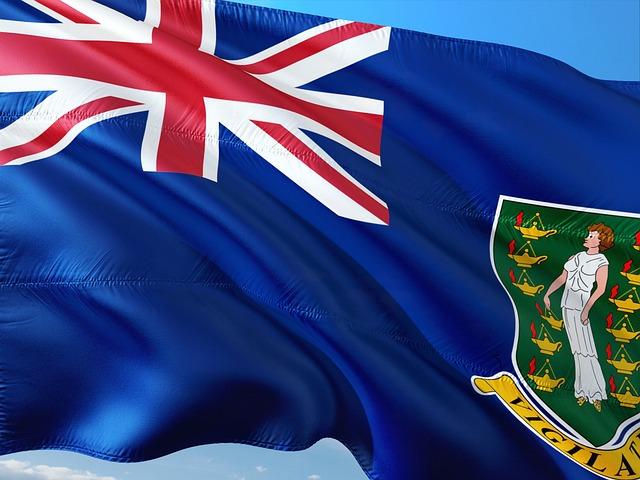
In a stunning development that has sent shockwaves through the Caribbean and beyond, the Premier of the British Virgin Islands, Andrew Fahie, was arrested in Miami on drug trafficking charges, a move that raises serious questions about governance and law enforcement in the territory. Fahie, who has been at the forefront of efforts to combat corruption and promote economic recovery in the British Overseas Territory, now faces allegations that could undermine his administration and destabilize the political landscape. The arrest, carried out by U.S. federal authorities, follows a months-long investigation and highlights the ongoing challenges of drug trafficking in the region. As details of the case emerge, the implications for the British Virgin Islands and its governance are profound, prompting calls for accountability and transparency in a territory that has long been navigating the murky waters of international crime and politics.
British Virgin Islands Leadership in Crisis Amid Drug Trafficking Allegations
The recent arrest of the Premier of the British Virgin Islands on drug trafficking charges has sent shockwaves through the territory’s political landscape. As the allegations unfold, concerns are mounting regarding the impact on governance and public trust. Local officials are grappling with the implications of such serious accusations against a figure of authority, while citizens express a mix of disbelief and frustration over the integrity of their leadership. In a region where tourism and financial services form the backbone of the economy, this scandal raises questions about the potential economic fallout and the future of the islands’ reputation.
The developments have prompted urgent conversations among leaders about crisis management and the need for transparency. Community stakeholders are calling for a detailed investigation to restore faith in local governance. Key actions being discussed include:
- Establishing an independent commission to investigate the allegations
- Implementing stricter regulations on political financing to prevent corruption
- Enhancing cooperation with international law enforcement agencies
Amid the turmoil, the call for solidarity among the population becomes increasingly pronounced. The government faces the task of not only addressing the crisis but also reassuring citizens of its commitment to uphold the rule of law and maintain the islands’ standing within the global community.
Implications for Governance and Tourism in the British Virgin Islands
The recent arrest of the British Virgin Islands’ Premier on drug trafficking charges has sent shockwaves through the governance of this Caribbean territory. As the leader grapples with legal ramifications, the implications for local government will be profound. The demand for transparency and accountability is likely to surge, raising important questions about the integrity of public office holders. In the wake of this incident, we may see strengthened calls for reform aimed at enhancing oversight mechanisms, including:
- Enhanced regulatory frameworks to monitor government officials.
- Greater public engagement in the political process to foster trust.
- International cooperation with law enforcement agencies to address corruption.
From a tourism perspective, the British Virgin Islands’ reputation as a prime travel destination is also on the line. Tourists often seek safe environments, and concerns regarding governance can influence their travel decisions. In response, stakeholders within the tourism sector may need to implement strategies to reassure visitors, which could include:
| Action | Description |
|---|---|
| Enhanced marketing campaigns | Promote positive narratives about the islands’ natural beauty and safety. |
| Community engagement programs | Showcase local initiatives that involve tourists in cultural experiences. |
| Strengthened safety protocols | Reinforce safety measures to ensure the well-being of travelers. |
Calls for Enhanced Drug Enforcement Measures and International Cooperation
In the wake of the arrest of the British Virgin Islands Premier on drug trafficking charges in the U.S., there are mounting calls for a reassessment of drug enforcement strategies and a push for greater international collaboration. Various stakeholders, ranging from local government officials to international law enforcement agencies, highlight the necessity for integrated approaches that can effectively tackle the complexities of drug trafficking in the Caribbean and beyond. The situation underscores an urgent need to combine resources, intelligence, and strategies across borders to dismantle drug trafficking networks that have proliferated in the region.
Experts have identified several key areas where enhanced measures can be implemented:
- Intelligence Sharing: Improved communication between nations about operational intelligence can help disrupt drug supply chains.
- Joint Task Forces: Establishing multi-national task forces focused on drug trafficking can centralize enforcement efforts.
- Legislative Support: Countries should revise and fortify anti-drug laws to provide enforceable penalties that reflect the severity of trafficking offenses.
Furthermore, collaboration with international bodies such as the United Nations Office on Drugs and Crime (UNODC) can provide critical support and funding for training local law enforcement. A comprehensive response that emphasizes prevention, enforcement, and rehabilitation is essential to curtail the growing influence of drug trafficking in the area.
Key Takeaways
In the wake of these serious allegations, the political future of the British Virgin Islands remains uncertain as the territory grapples with the implications of its Premier’s arrest. Observers are wary of the potential consequences for governance, public trust, and international relations. The U.S. authorities have emphasized the ongoing nature of the investigation, suggesting that more developments may emerge in the coming weeks. As the situation unfolds, it will be crucial for both local and international stakeholders to navigate the complexities of governance and legal processes in the British Virgin Islands. The case raises important questions about accountability and the fight against drug trafficking on a global scale, prompting calls for a more thorough examination of political integrity in jurisdictions where such challenges persist. As we await further updates, the focus will undoubtedly be on the implications this case holds for the islands and their commitment to upholding the rule of law.











