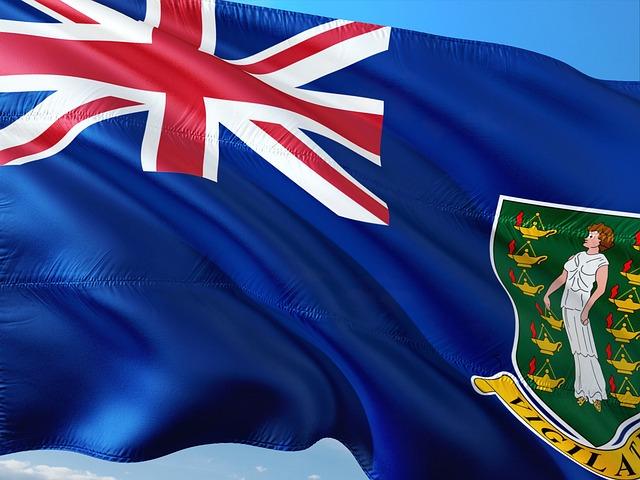
In a significant development that has raised eyebrows in both the Caribbean and international political circles, U.S. officials have arrested the Premier of the British Virgin Islands, Andrew Fahie, on serious drug trafficking charges. The arrest, which took place during a high-profile visit to Miami, has sent shockwaves through the territory, known for its picturesque beaches and status as a tax haven. Allegations against Fahie suggest deep ties to a drug smuggling operation that purportedly involved extensive plans to transport cocaine into the United States. This incident underscores ongoing concerns about drug-related corruption within regional politics and raises questions about the implications for the governance of the British Virgin Islands. As the legal process unfolds, calls for accountability and transparency are likely to intensify, both from local citizens and international observers.
U.S. Drug Enforcement Efforts Target Caribbean Leadership Amid Growing Concerns
The recent arrest of the premier of the British Virgin Islands has intensified scrutiny on the U.S. government’s drug enforcement initiatives in the Caribbean. Officials allege that the premier was involved in a complex drug trafficking operation, raising alarms about political corruption intertwined with narcotics activity in the region. Authorities emphasize that the Caribbean has become a significant transshipment hub for illicit drugs, prompting U.S. officials to bolster their focus on influential leaders and local government structures associated with such networks.
The implications of this arrest extend beyond the immediate legal consequences. With the Caribbean historically viewed as a strategic point for drug cartels, U.S. officials are now exploring ways to enhance international cooperation. Strategic measures being discussed include:
- Increased Intelligence Sharing: Collaborating with Caribbean nations to improve monitoring of drug routes.
- Strengthened Capacity Building: Providing resources and training to local law enforcement agencies.
- Enhanced Diplomatic Engagement: Fostering stronger ties with Caribbean governments to combat corruption.
| Focus Area | Objectives |
|---|---|
| Intelligence Operations | Monitor and disrupt drug shipments |
| Law Enforcement Support | Equip local forces with necessary tools |
| Community Outreach | Raise awareness and deter drug use |
Legal Implications of Arrest on British Virgin Islands Governance and Economy
The recent arrest of the premier of the British Virgin Islands (BVI) on drug charges presents significant legal implications that extend beyond the immediate judicial proceedings. The legal framework governing the territory may face intense scrutiny, leading to potential amendments in local laws and regulations surrounding drug-related offences. Authorities, both local and international, are likely to review the integrity of law enforcement and governance structures in the BVI, which could result in an overhaul of current policies to ensure greater transparency and accountability. This situation underscores the delicate balance between local autonomy and external oversight, particularly as the BVI seeks to maintain its reputation as a financially stable jurisdiction.
The economic ramifications of the premier’s arrest could be profound, given that leadership disruptions often lead to investor wariness and potential volatility in the local financial services sector. Observers may note the following effects on the economy:
- Investor Confidence: A decline in investor trust could slow foreign direct investment.
- Tourism Impact: Negative media coverage may deter tourism, a vital revenue source.
- Market Instability: Local businesses may face uncertainty, impacting economic growth.
To better illustrate these potential effects, consider the following simplified table of projected changes in economic indicators:
| Economic Indicator | Before Arrest | Projected Impact After Arrest |
|---|---|---|
| Foreign Investment ($ million) | 250 | 180 |
| Tourism Arrivals | 500,000 | 350,000 |
| Unemployment Rate (%) | 5% | 7% |
Recommendations for Strengthening Anti-Drug Practices in Overseas Territories
To effectively enhance anti-drug practices in overseas territories, a multi-faceted approach is essential. Firstly, international collaboration must be prioritized. Engaging with regional and global partners could foster sharing of intelligence, resources, and best practices. This collaboration can manifest through:
- Joint task forces aimed at cracking down on trafficking networks.
- Regular training programs for local law enforcement personnel on drug enforcement techniques.
- Stronger legal frameworks to address gaps in current anti-drug legislations.
Additionally, investing in community-based programs can help deter drug use and related crimes. These programs can provide vital support to at-risk populations and encourage healthier lifestyles. A focus on prevention and education might include:
- Awareness campaigns targeting youth about the dangers of drug use.
- Access to mental health and substance abuse treatment services.
- Creating safe recreational spaces and activities to deter adolescent involvement with drugs.
| Strategies | Description |
|---|---|
| International Collaboration | Form strategic alliances for intelligence and resource sharing. |
| Legal Reforms | Strengthen anti-drug laws in alignment with best international practices. |
| Community Programs | Engage locals with education and prevention initiatives. |
In Conclusion
In conclusion, the arrest of the British Virgin Islands premier by U.S. officials marks a significant development in the ongoing battle against drug trafficking and corruption in the Caribbean region. As authorities continue to investigate the extent of his alleged involvement, this case underscores the complexities of governance and law enforcement in territories grappling with drug-related issues. The international dimension of the arrest also highlights the collaboration between U.S. and local agencies in confronting transnational crime. As more details emerge, the political and social ramifications of this incident will undoubtedly shape the future of governance in the British Virgin Islands and the broader Caribbean community. Stay tuned for ongoing coverage as the story unfolds.