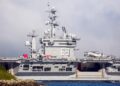
Title: Enhanced Maritime Security: Coast Guard Collaborations in the Caribbean
In a concerted effort to bolster maritime security across the Caribbean, the United States Coast Guard (USCG) has announced a series of collaborative initiatives with regional maritime agencies, including the Dutch Caribbean Coast Guard and the British Virgin Islands Royal Marine Police. This multifaceted partnership aims to enhance law enforcement capabilities, improve emergency response mechanisms, and foster intelligence sharing among allied nations. With the Caribbean region facing growing challenges from illicit trafficking and environmental threats, the strengthening of these alliances underscores a shared commitment to safeguarding the waters that are vital to the economic and ecological health of the area. As these agencies work hand in hand, the focus remains on ensuring safer seas for the communities that rely on them.
Cooperative Maritime Security Efforts Strengthen Regional Stability
The collaborative spirit among various maritime agencies has proven essential in enhancing security and stability across the Caribbean region. In a recent joint initiative, the United States Coast Guard, Dutch Caribbean Coast Guard, and British Virgin Islands Royal Marine Police have come together to tackle challenges such as drug trafficking, smuggling, and illegal fishing. This synergy not only amplifies operational efficiency but also fosters trust and cooperation among neighboring nations, ensuring a united front against maritime threats.
Key achievements of this cooperative effort include:
- Increased Surveillance: Enhanced patrols and monitoring systems across key maritime areas.
- Training Programs: Joint training exercises aimed at refining skills and strategies for responding to maritime incidents.
- Information Sharing: A robust system for exchanging intelligence to anticipate and mitigate potential threats.
| Agency | Role | Contribution |
|---|---|---|
| United States Coast Guard | Lead Coordinator | Operational support and maritime law enforcement |
| Dutch Caribbean Coast Guard | Regional Liaison | Monitoring and intercepting illicit activities |
| British Virgin Islands Royal Marine Police | Local Enforcement | Protecting territorial waters and community safety |
Enhancing Interagency Collaboration: Lessons from Recent Joint Operations
The recent joint operations conducted by the United States Coast Guard (USCG), the Dutch Caribbean Coast Guard (DCCG), and the British Virgin Islands Royal Marine Police (RVMP) have underscored the importance of interagency collaboration in enhancing maritime security. These operations showcased a seamless integration of resources and expertise, allowing for rapid response to threats in the Caribbean waters. The strategic alignment of objectives facilitated a more effective operational framework, significantly improving communication and coordination among the agencies involved. Key elements of success from these operations included:
- Shared Intelligence: Enhanced information sharing protocols that allowed for real-time updates and situational awareness.
- Joint Training Exercises: Conducted prior to deployment to ensure compatibility and operational readiness.
- Unified Command Structure: A streamlined command chain that enabled quick decision-making during critical incidents.
Furthermore, the collaborative efforts resulted in significant achievements in drug interdiction and search and rescue missions, as illustrated in the table below. By pooling assets and leveraging the distinct capabilities of each agency, the operation not only disrupted illegal activities but also strengthened community trust through visible enforcement efforts.
| Operation Aspect | Results Achieved |
|---|---|
| Drug Seizures | Over 200 kilograms of narcotics confiscated |
| Vessels Intercepted | 5 suspected smuggling boats stopped |
| Search and Rescue Cases | 7 lives saved during maritime distress incidents |
Recommendations for Optimizing Resource Allocation in Caribbean Coast Guard Partnerships
To enhance the effectiveness of resource allocation within partnerships among the Caribbean Coast Guard entities, a structured approach is essential. Engagement in regular joint training exercises can significantly improve operational readiness and foster inter-agency cooperation. By establishing a unified framework for communication and logistics, these entities can streamline efforts to tackle maritime crimes more effectively. Additionally, prioritizing the development of a shared technology platform could facilitate real-time data sharing on threats and resource movements, ensuring that each agency can respond promptly and intelligently to incidents.
Moreover, leveraging public-private partnerships can amplify the impact of available resources. Involving local businesses in funding and support efforts can lead to innovative solutions tailored to the unique challenges of the Caribbean waters. Establishing a funding pool dedicated to joint initiatives would allow for greater flexibility in addressing emerging threats, such as drug trafficking and illegal fishing. Furthermore, enhancing community awareness and participation can serve as a force multiplier, enabling local stakeholders to assist the Coast Guard in monitoring and reporting suspicious activities, thus optimizing both human and financial resources.
In Retrospect
In conclusion, the collaborative efforts between the United States Coast Guard, the Dutch Caribbean Coast Guard, and the British Virgin Islands Royal Marine Police underscore the commitment of these maritime agencies to enhancing safety and security in the region. Through joint operations and shared resources, they are effectively addressing the challenges posed by illegal activities and environmental threats in the Caribbean waters. As these forces continue to strengthen their partnerships, the focus remains on safeguarding the livelihoods of coastal communities and preserving the unique marine ecosystems that are vital to the region’s economy and heritage. Moving forward, this united front highlights the importance of international cooperation in tackling maritime issues, ensuring that the waters of the Caribbean remain safe for all.