
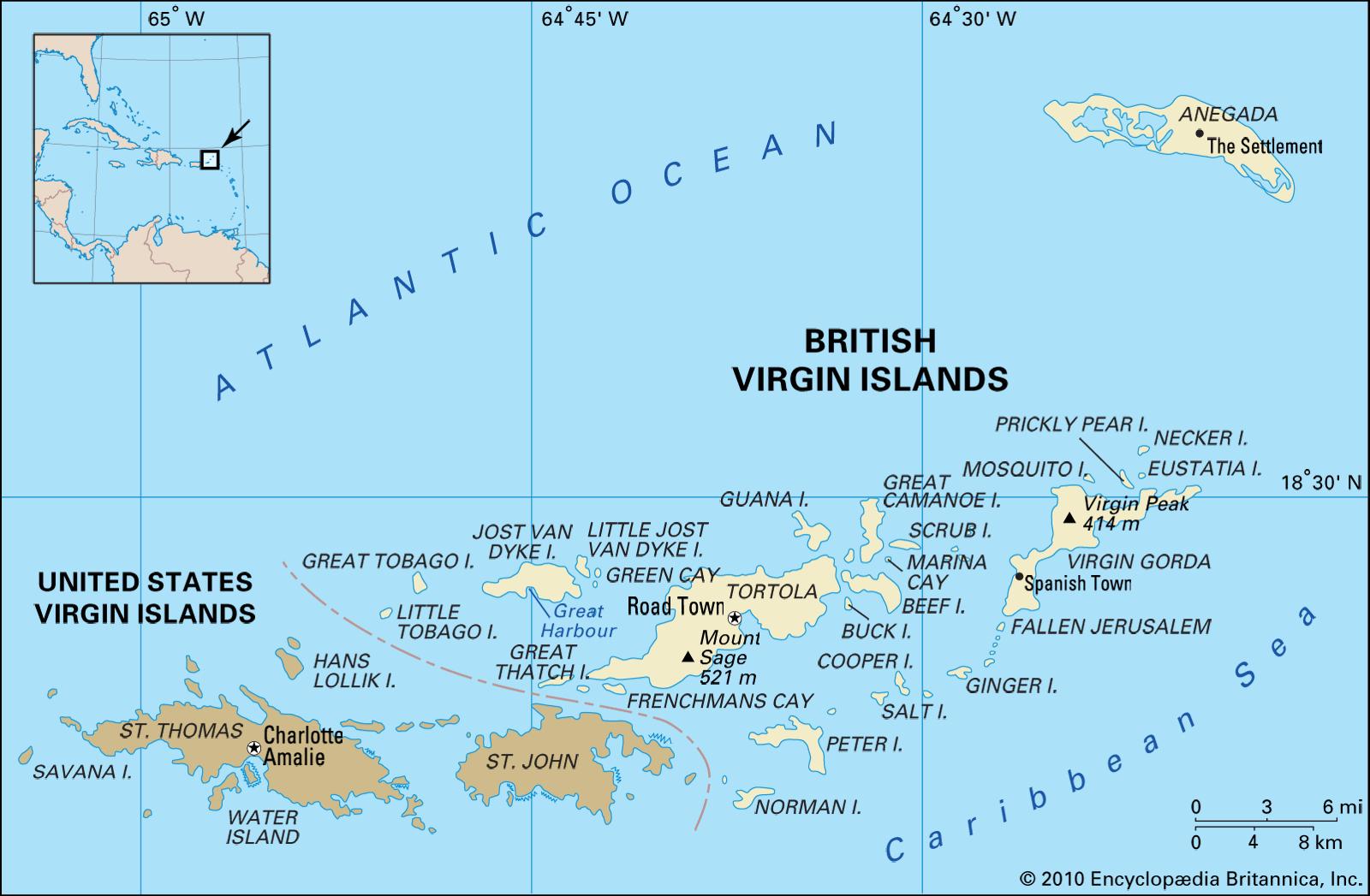
In a significant move aimed at addressing growing concerns over governance and accountability, a UK minister has been dispatched to the British Virgin Islands (BVI) for crucial talks with local officials. This visit comes in the wake of heightened scrutiny regarding the territory’s political landscape and the implications of recent corruption allegations. As the British Overseas Territory grapples with calls for reform, the discussions are expected to focus on enhancing transparency and strengthening democratic processes in the BVI, which has long been recognized as a financial services hub. This development marks a pivotal moment in the relationship between the UK and its overseas territories, underscoring the need for collaborative approaches to governance in the region.
Discussions on Autonomy and Governance Reform in the British Virgin Islands
Recent discussions surrounding autonomy and governance reform in the British Virgin Islands (BVI) have intensified following the UK government’s decision to send a minister to engage with local leaders. This move comes in response to ongoing concerns regarding transparency, accountability, and the need for a more democratic governance structure. The minister’s visit aims to facilitate a dialogue that seeks to balance the territory’s desire for greater self-governance with overarching oversight from the UK, particularly in the wake of the Commission of Inquiry that uncovered significant issues related to governance and public trust.
Key topics expected to be addressed in the talks include:
- Strengthening local institutions – Enhancing the capacity and integrity of local governance bodies.
- Electoral reforms – Ensuring fair and transparent electoral processes to empower citizens.
- Anti-corruption measures – Instituting effective policies to combat corruption and foster public confidence in leadership.
As the discussions unfold, stakeholders from various sectors are advocating for a collaborative approach, emphasizing the importance of including input from civil society, business leaders, and the wider community to ensure that any reforms are reflective of the needs and aspirations of the BVI’s residents.
UK Minister’s Approach to Strengthening Political Stability and Transparency
The UK Minister’s recent visit to the British Virgin Islands signifies a pivotal step towards enhancing governance structures and promoting a culture of accountability. In a series of high-level discussions, the Minister has underscored the necessity of implementing reforms that not only encourage political stability but also ensure transparency in the territory’s legislative processes. Among the key areas of focus are:
- Strengthening Legislative Frameworks: Proposals to modernize existing laws to improve governance.
- Enhancing Public Financial Management: Initiatives aimed at increasing the transparency of public spending.
- Promoting Civic Engagement: Strategies to boost citizen involvement in decision-making processes.
Moreover, collaborative efforts between local authorities and the UK government are crucial in facilitating these changes. A clear roadmap for governance reform, including workshops and training for officials, is anticipated as part of the comprehensive strategy. To track progress and impact effectively, the following table outlines key milestones and expected outcomes:
| Milestone | Expected Outcome |
|---|---|
| Legislative Review Completion | Updated laws reflecting modern governance standards |
| Public Budget Workshop | Improved transparency in financial reporting |
| Civic Engagement Strategy Launch | Increased public participation in governance |
Strategies for Effective Collaboration Between the UK and BVI Government
To enhance cooperative governance between the UK and the British Virgin Islands, establishing a foundation of mutual trust and respect is essential. This can be achieved through regular dialogues that prioritize transparency in decision-making processes. Both governments should consider implementing the following strategies:
- Frequent Consultative Meetings: Scheduling periodic discussions can help align interests and address pressing issues collaboratively.
- Joint Task Forces: Forming dedicated teams to tackle specific challenges, such as climate resilience and economic diversification, can streamline efforts and resources.
- Community Engagement Initiatives: Involving local stakeholders in governance conversations ensures that policies reflect the needs and aspirations of the BVI populace.
Moreover, investing in technical and educational programs can foster knowledge transfer and capacity building. This proactive approach will prepare the BVI government to tackle legislative and administrative challenges more effectively. A structured framework could include:
| Program | Description | Expected Outcome |
|---|---|---|
| Legal Framework Workshops | Training sessions to improve understanding of UK governance frameworks. | Enhanced legal compliance and governance standards. |
| Public Policy Forums | Forums for discussing public policy issues with BVI citizens. | Increased civic participation and policy relevance. |
| Economic Development Seminars | Workshops focusing on sustainable economic practices. | Stronger, more resilient local economies. |
Closing Remarks
In conclusion, the dispatch of a UK minister to the British Virgin Islands underscores the ongoing complexities of governance and oversight in the territory. As discussions unfold, the focus will be on addressing local concerns while balancing the interests of the British government. The outcomes of these talks could significantly shape the future of the British Virgin Islands, particularly in areas relating to governance, economic stability, and transparency. As this story develops, stakeholders will be keenly observing the impact of these conversations on the territory’s autonomy and relationship with the UK. For more updates on this evolving situation, stay tuned to BBC News.









