Where is the British Virgin Islands and What is Its Relationship with the UK?
Nestled in the azure waters of the Caribbean, the British Virgin Islands (BVI) are a collection of approximately 60 islands that have long enchanted visitors with their stunning landscapes and vibrant culture. While the BVI boasts a rich history and a thriving tourism sector, many may wonder about its political status and economic ties to its former colonial ruler, the United Kingdom. As discussions surrounding sovereignty and governance continue to evolve, understanding the geographical positioning and historical context of the British Virgin Islands is essential for grasping its current relationship with the UK. In this article, we explore the location, significance, and intricate dynamics that define the connection between the British Virgin Islands and Britain today.
Geography and Governance: Understanding the British Virgin Islands
The British Virgin Islands (BVI), situated in the Caribbean, consist of over 60 islands and cays, with the largest being Tortola, Anegada, Virgin Gorda, and Jost van Dyke. This picturesque archipelago lies to the east of Puerto Rico and the US Virgin Islands, making it a crucial geographical location for maritime activities. The region is known for its stunning beaches, vibrant marine life, and a thriving tourism sector that attracts visitors from around the globe. The BVI’s favorable climate, characterized by mild temperatures and low humidity, further enhances its appeal as a popular travel destination.
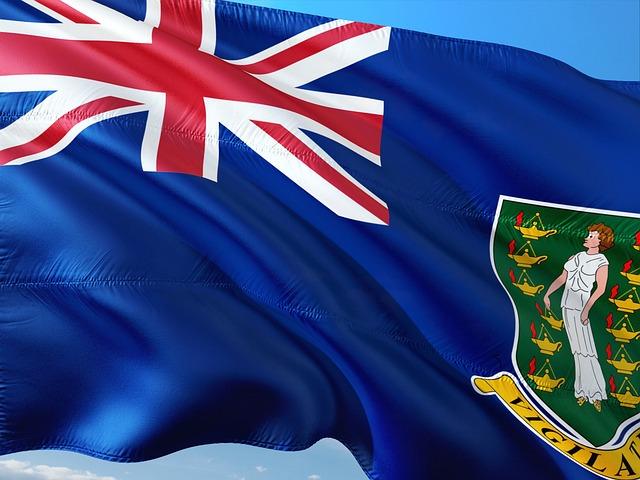
Governance in the British Virgin Islands is characterized by its status as a British Overseas Territory. This relationship with the UK grants the BVI a level of autonomy, allowing local governance while the UK retains responsibility for defense and international affairs. The local government is led by a premier and consists of elected representatives, forming a Legislative Council. Key aspects of this governance setup include:
- Self-Governance: The BVI has its own constitution and legal system, allowing control over local matters.
- Monarchical Relation: The British monarch is the head of state, represented by a governor who oversees governmental functions.
- Financial Independence: The BVI is renowned for its offshore financial services, contributing significantly to its economy.
Historical Ties: A Complex Relationship with the United Kingdom
The British Virgin Islands (BVI) maintains a complex relationship with the United Kingdom, rooted in its colonial history and evolving governance. As a British Overseas Territory, the BVI enjoys a degree of autonomy but is ultimately under the governance of the UK. This duality allows the islands to harness their own local government while still relying on UK support in matters of defense and foreign affairs. While the BVI benefits from its attachment to the UK, such as access to international aid and a stable political framework, it also grapples with the implications of this dependency, particularly in areas of economic development and social policy.
Key components of this historical relationship include:
- Colonial Roots: The islands were first colonized by the British in the 17th century, establishing a long-lasting connection.
- Governance Structure: The BVI has its own constitution and a locally elected government while the UK retains ultimate sovereignty.
- Economic Ties: The financial services sector thrives under UK regulations, stimulating the local economy.
- Autonomy vs. Dependency: The BVI must navigate the balance between self-governance and reliance on UK support.
To further illustrate the current status of the BVI’s relationship with the UK, the following table summarizes key facts:
| Aspect | Details |
|---|---|
| Governance | Self-governing but under UK sovereignty |
| Political Status | British Overseas Territory |
| Local Leadership | Premier and House of Assembly |
| Main Economy Sector | Financial Services |
Future Perspectives: Navigating Autonomy and Development Opportunities
The British Virgin Islands (BVI) stand at a crucial crossroad, balancing the demands of economic autonomy with the need for sustainable development. With their position as a major offshore financial hub, the BVI has cultivated a reputation that attracts global businesses seeking financial privacy and favorable tax regimes. However, this unique status also comes with responsibilities, particularly as the UK remains invested in the islands’ governance, especially in matters of financial regulation and public service support. As such, navigating the intricate relationship with the UK government while fostering local innovation becomes paramount for the islands’ leaders.
As the BVI looks to the future, several opportunities present themselves for enhancing both autonomy and economic development. The islands can explore strategies such as:
- Diversifying the economy: Investing in sectors like tourism, agriculture, and technology to reduce dependence on the financial sector.
- Strengthening local governance: Empowering BVI residents to play a greater role in political and economic decision-making.
- Enhancing sustainability initiatives: Promoting environmental awareness and practices that protect the natural beauty of the islands.
- Fostering educational programs: Developing a skilled workforce that meets the demands of a modern, diversified economy.
Continued dialogue between the BVI and the UK will be essential in these endeavors, focusing on mutual interests that promote stability and growth. Understanding the nuances of this relationship-enhanced by the prospects of self-governance-will ultimately shape the islands’ trajectory and their capacity to thrive amid global economic changes.
In Summary
In conclusion, the British Virgin Islands, a stunning archipelago nestled in the Caribbean, holds a unique position as a British Overseas Territory. Its relationship with the United Kingdom is defined by a balance of autonomy and oversight, allowing the islands to maintain a degree of self-governance while benefiting from British support in matters of defense and foreign affairs. As the BVI continues to navigate its future in an increasingly complex global landscape, the intertwining of its local culture and governance with its British heritage remains a compelling story of resilience and adaptation. Understanding this dynamic is essential not only for grasping the islands’ present but also for anticipating their role within the broader context of global geopolitics. The British Virgin Islands serves as a microcosm of the intricate ties between the UK and its territories, reflecting broader themes of colonial legacy, economic development, and the pursuit of self-determination.